WRLD

Search

#Hunger
newsORF.at 3h

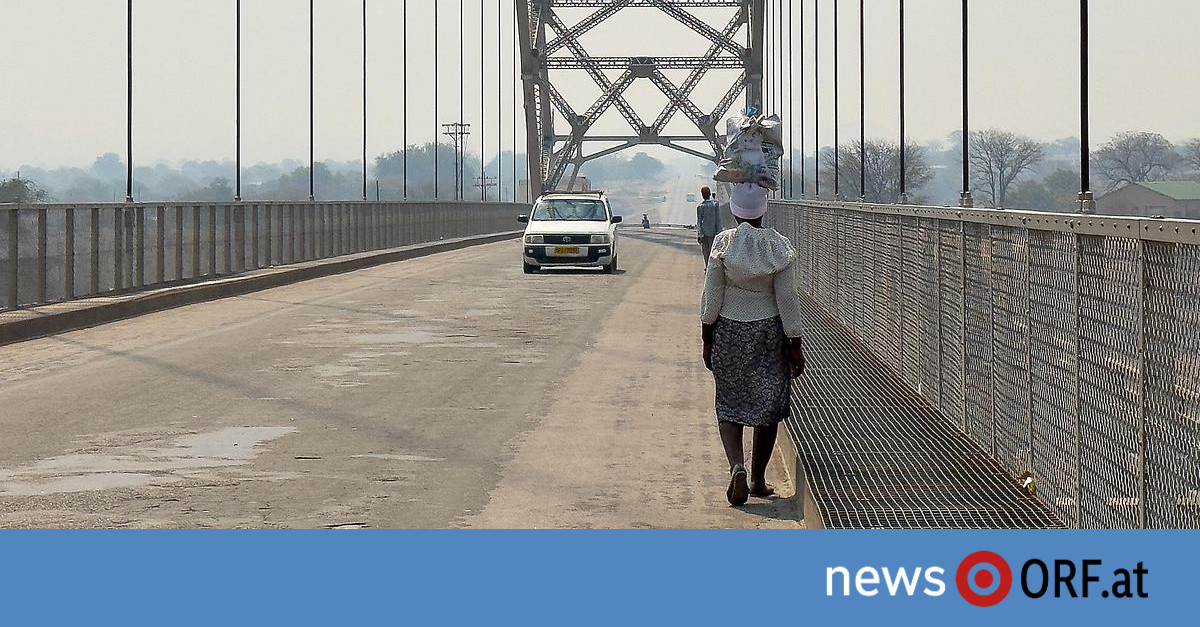
Zimbabwe's President Emmerson Mnangagwa, also known as Crocodile, aims for economic opening and sustainable combat against hunger and poverty while simultaneously pushing controversial constitutional reforms to secure his power. #Simbabwe #Mnangagwa #ZANUPF (translated)
orf.at
Simbabwes „Krokodil“ schnappt nach Macht
1275
Mick Wallace 10h

The author asked why readers had not been appalled by what they described as a British-supported Saudi and UAE “genocide” in Yemen since 2015. They also said a British-supported blockade had led to 80,000 civilian deaths from hunger and dismissed expressions of liberal outrage. #Yemen #Genocide #HumanRights #GB #SA #AE #YE

2176
Mick Wallace 12h

The author questioned why business continued with the Israeli regime, which they accused of carrying out genocide in Palestine, if attacks on civilians and civilian infrastructure were unacceptable. They also asked why people had remained silent when, they said, a Western-backed Saudi and UAE blockade caused 80,000 deaths from hunger in Yemen. #HumanRights #Palestine #Yemen #IL #PS #SA #AE #YE

2545
Nurder Koch 3d

The cook wrote that Mathias Mogge had just returned from Gaza and had invited members of the Bundestag to listen to his experiences firsthand. However, no member had come. Koch referred to people in Gaza who were dying, starving, living in tents, and losing all hope, and described the absence of the lawmakers as indifference rather than ignorance. #Gaza #Menschenrechte #Politik (translated)

3357
Krzysztof Graj 5d

Nigeria – how pro-Russian influence networks sell military rule as the answer When Nigerians took to the streets in August 2024 to protest soaring living costs and frustration with government, some demonstrations acquired an unexpected symbol: the Russian flag. In Kano, Kaduna and other northern cities, protesters were filmed carrying Russian colours and calling for Moscow’s intervention. Some demanded a military takeover. What initially looked like an unusual expression of anger has since become part of a much larger picture. A September 2026 assessment by the Africa Center for Strategic Studies describes Nigeria as a major target of overlapping foreign information operations, with Russia the most active external actor in its information space. The report does not identify a single centrally controlled campaign. Instead, it maps an ecosystem in which genuine dissatisfaction over insecurity, corruption and living standards is repeatedly redirected towards a broader proposition: democratic government has failed, while the military-led regimes of the Sahel offer a more effective alternative. Turning a real protest into a pro-Russian message The clearest example emerged during the 2024 #EndBadGovernance protests. Nigerian investigative reporting found that a Kano-based TikTok influencer with more than 100,000 followers had been paid through a Telegram channel associated with African Initiative, a Moscow-based media operation linked by researchers to Russian influence activity in Africa. The influencer said the channel supplied photographs, videos and talking points for redistribution on TikTok and Instagram. Among the messages provided were phrases such as “Putin please come and save Nigeria” and “The army is the answer for Nigeria”. Influencers were encouraged to use Hausa-language hashtags including #Zangazanga – “protest” – alongside references to Putin and Russia. Investigators identified 38 accounts circulating similar pro-Russian and pro-military narratives during the demonstrations. Russian flags subsequently appeared among protesters in several northern cities. This does not mean the protests themselves were created by Russia. They were driven by genuine economic and political grievances, and Nigerian protesters gave different reasons for carrying Russian flags. The important feature of the influence activity was precisely that it did not need to manufacture the original anger. It could attach a geopolitical message to an existing domestic crisis. From frustration to the idea of military government The narrative fits a wider pattern seen across West Africa. Russia has developed close relations with the military governments of Mali, Burkina Faso and Niger, while pro-Russian media ecosystems routinely portray those states as examples of sovereignty, stability and resistance to Western influence. Nigeria, by contrast, has remained under constitutional civilian government since 1999. Africa Center researchers say information networks targeting Nigerians increasingly contrast these two models. Recurring messages depict elections as wasteful or predetermined, civilian institutions as incapable of protecting citizens and military governments as more decisive on security and development. Some content portrays the Sahelian juntas as delivering better roads, lower prices and stronger security even where available evidence points to continuing or worsening instability. Language is central to the strategy. Hausa is spoken across northern Nigeria and neighbouring Niger, allowing political narratives to travel across borders that are far less important online than they are on maps. HumAngle documented efforts involving Nigerien state-linked actors to cultivate Hausa-speaking journalists and distribute material favourable to Niger’s junta and hostile to France and Western influence. The Russian and Sahelian-junta information ecosystems are not identical, but their narratives frequently reinforce one another. Fake journalists inside real Nigerian media The campaign environment extends beyond social media. A 2026 investigation by Graphika and Code for Africa identified 44 ghost reporters and fake experts whose identities were used to place Russia-aligned narratives in African media. Thirty-eight were assessed with high confidence to be fabricated. Their articles or quotations appeared across 138 websites and were amplified by at least 113 Facebook accounts and Pages. Nigeria was one of the most heavily targeted countries. According to the Africa Center’s analysis of the research, Daily Post Nigeria carried 39 articles involving 14 identified ghost authors. Once published by a genuine Nigerian outlet, such material could then be cited by other websites, social-media accounts or even Russian official channels as though it had originated independently in Africa. This is information laundering rather than simple propaganda: the most valuable asset being borrowed is the credibility of the local newsroom. Generative AI added another layer. OpenAI and Meta separately disrupted a Russia-origin network that produced Africa-focused political content and operated Facebook Pages posing as local media organisations. One fabricated commentator, “Dr Manuel Godsin”, was presented as a European-trained geopolitical expert although investigators found no evidence supporting his academic biography. ChatGPT had been used to generate articles under the persona’s name, while Meta removed 37 Facebook accounts and 29 Pages connected to the broader network. Different networks, similar strategic direction It would be misleading to merge all these activities into a single Russian command structure. The African Initiative-linked influencer campaign, the ghost-reporter network and the AI-enabled operation disrupted by OpenAI and Meta were uncovered separately and used different infrastructure. Public evidence does not demonstrate that every actor reported to the same organisation. What connects them is a recurring set of themes and methods: portraying Western partnerships as exploitative, presenting Russia as an alternative security partner, amplifying failures of civilian government, and giving military-led rule greater legitimacy. Investigative reporting on leaked Russian documents has meanwhile described a much wider influence apparatus operating across Africa, involving political consultants, paid journalists, influencers and locally tailored campaigns intended to reduce Western influence and expand Moscow’s position. The underlying technique is less about inventing dissatisfaction than redirecting it. Nigeria faces real security threats, economic pressure and public frustration. Influence operators do not need to persuade Nigerians that those problems exist. They need only influence the explanation for why they exist – and which political model appears to offer the answer. That is what makes the Nigerian case significant. The most effective propaganda does not necessarily introduce a completely false reality. It takes a real crisis and changes where the audience is encouraged to look for the solution. Sources Africa Center for Strategic Studies — The Raging Information Battle in Nigeria https://africacenter.org/spotlight/the-raging-information-battle-in-nigeria/ Graphika — Umbrae Ex Machina https://www.graphika.com/reports/umbrae-ex-machina OpenAI — Operation “No Bell” https://openai.com/index/disrupting-malicious-uses-of-ai-no-bell/ TheCable — Ghost reporters in African media https://www.thecable.ng/ghost-reporters-how-fabricated-african-voices-carried-pro-russia-narratives/ HumAngle — Nigeria Is Facing an Information War in Its Own Language https://www.humanglemedia.com/nigeria-is-facing-an-information-war-in-its-own-language DAIDAC / CJID — Russian influence during #EndBadGovernance https://daidac.thecjid.org/how-telegram-tiktok-aided-russian-disinformation-that-led-to-incarceration-of-nigerian-minors/ FactCheckHub — How Nigeria’s hunger protest took a radical turn https://factcheckhub.com/from-economic-protests-to-coup-agitation-how-nigerias-hunger-march-took-a-radical-turn/ News24 — Fake Kremlin-linked analyst planted stories in African media https://www.news24.com/southafrica/news/ai-expert-exposed-fake-kremlin-linked-analyst-planted-stories-in-african-media-20260318-0560 Vanguard — AI ‘expert’ exposed https://www.vanguardngr.com/2026/03/ai-expert-exposed-fake-kremlin-linked-analyst-planted-stories-in-african-media/ Africa Confidential — How Moscow wages social media war https://www.africa-confidential.com/article/id/15961/how-moscow-wages-social-media-war Keywords #DISINFORMED #Episode15 #Nigeria #Russia #RussianInfluence #RussianDisinformation #Africa #WestAfrica #Disinformation #InformationWarfare #InfluenceOperations #ForeignInterference #FIMI #Propaganda #MilitaryRule #MilitaryGovernment #Democracy #PoliticalManipulation #NarrativeManipulation #AfricanInitiative #EndBadGovernance #Hausa #LocalInfluencers #GhostReporters #FakeExperts #ArtificialIntelligence #AI #AIPersonas #SyntheticMedia #AIPropaganda #Astroturfing #SocialMediaManipulation #Telegram #TikTok #DigitalInfluence #SourceLaundering #NarrativeLaundering #MediaManipulation #Sahel #Geopolitics #OSINT #WRLD

africacenter.org
The Raging Information Battle in Nigeria
789
U.M. OSINT 6d

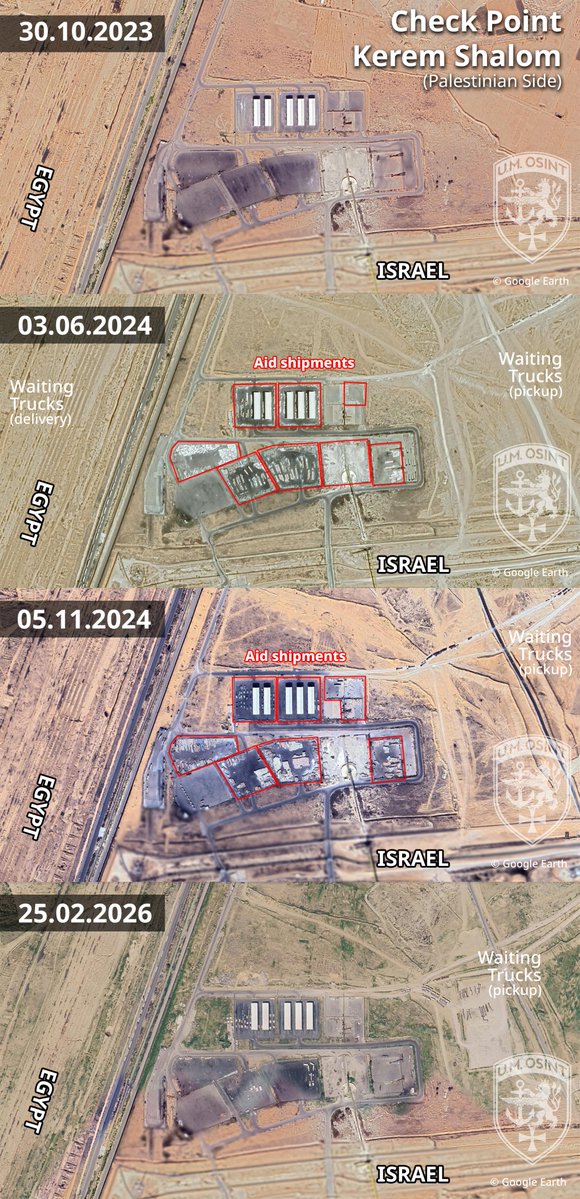
U.M. OSINT reported that Israel had only completely blocked aid deliveries twice since October 7, 2023. The first blockade commenced on October 9, 2023; Egypt had also closed the Rafah crossing at that time. Starting at the end of October, Israel allowed aid deliveries to pass again—initially without fuel. According to quantities reported by COGAT, the deliveries later even exceeded pre-war levels. A second complete blockade lasted from March 2 to May 18, 2025, totaling 77 days. According to U.M. OSINT, Israel justified it with Article 23, Paragraph 2 of the Fourth Geneva Convention: deliveries must not be allowed if they cannot be effectively controlled or provide a concrete military or economic advantage to the opponent. At that time, Israel assumed that Hamas and others were hoarding food. There were also short-term closures following shelling, including on May 5, 2024. As evidence, U.M. OSINT referred to aerial images of the Kerem Shalom crossing, which he designated as the most important crossing for deliveries. A photo taken on October 30, 2023, showed the crossing closed. On June 3, 2024, trucks were waiting on the Egyptian side while the Israeli depot was empty and the Palestinian depot was full; northwest of there, a kilometer-long queue of trucks had formed for pickup. According to his post, these vehicles came from the UN or cooperating NGOs that had employed Palestinian transport companies or mercenaries. A photo from November 5, 2024, showed a similarly full Palestinian depot but no waiting delivery trucks. U.M. OSINT interpreted this as an indication of higher throughput by COGAT. Images from February 2026 showed fewer waiting trucks and still some pallets; the Palestinian side apparently managed to handle the supply. Additionally, U.M. OSINT wrote that UN Secretary-General António Guterres stated on December 2, 2024, that in the previous month, 90 percent of the aid trucks had been looted—98 out of 109. According to his account, UN publications confirmed that this had been ongoing for months. Publicly, this was primarily interpreted as a sign of hunger among Palestinians; however, the looting was mostly attributed to armed groups. An OCHA report from September 17, 2025, according to U.M. OSINT, reported 432 "malnutrition-related deaths," including 146 children. Data published by the Ministry of Health indicated 4 such deaths in 2023, 49 in 2024, and 260 between January and August 27, 2025. For comparison, he cited a total of 77 deaths due to malnutrition in England and Wales in 2022, as well as 436 cases where it had played a role. The medical term "malnutrition" (ICD E40–E46), according to his account, also includes deaths related to birth defects, genetic disorders, or cancer and does not necessarily mean that the affected individuals had insufficient food available. On May 21, 2025, the then UN Under-Secretary-General for Humanitarian Affairs and Emergency Coordinator Tom Fletcher warned that 14,000 babies could die within 48 hours. At that time, the crossing was reportedly already open again, according to U.M. OSINT. He welcomed the interest in the aerial images and stated that they confirmed his and others’ earlier representations. At the same time, he accused some observers in a derogatory manner of not looking closely enough. #Israel #Gazastreifen #HumanitäreKrise (translated)

2947
Tobias Huch 7d

Tobias Huch wrote that he had previously questioned the figure of around 73,000 deaths in Gaza mentioned by Hamas based on sources and facts. After accounting for the people who had died of natural causes, he arrived at about 50,000 dead, including an estimated 25,000 to at most 30,000 civilians. This corresponds to a ratio of one killed terrorist to one civilian; in urban wars, according to his portrayal, ratios of 1:7 to 1:19 are common. He concluded that Israel protects civilians and only targets the terror group. Huch also stated that he labeled the claim that the majority of those killed by Israel were women and children as an anti-Semitic lie. Now, according to his assessment, Hamas's numbers confirm his earlier statements: the actual death toll is around 53,000, with the majority being men of military age, there are virtually no starvation deaths, and the ratio of terrorists to civilians is 1:1. According to Huch, these are not Israeli figures, but figures from the Hamas Ministry of Health with a detailed breakdown of the causes of death and descriptions of the victims. #Gaza #Israel #Hamas (translated)

13040
Yona Tukuser 7d

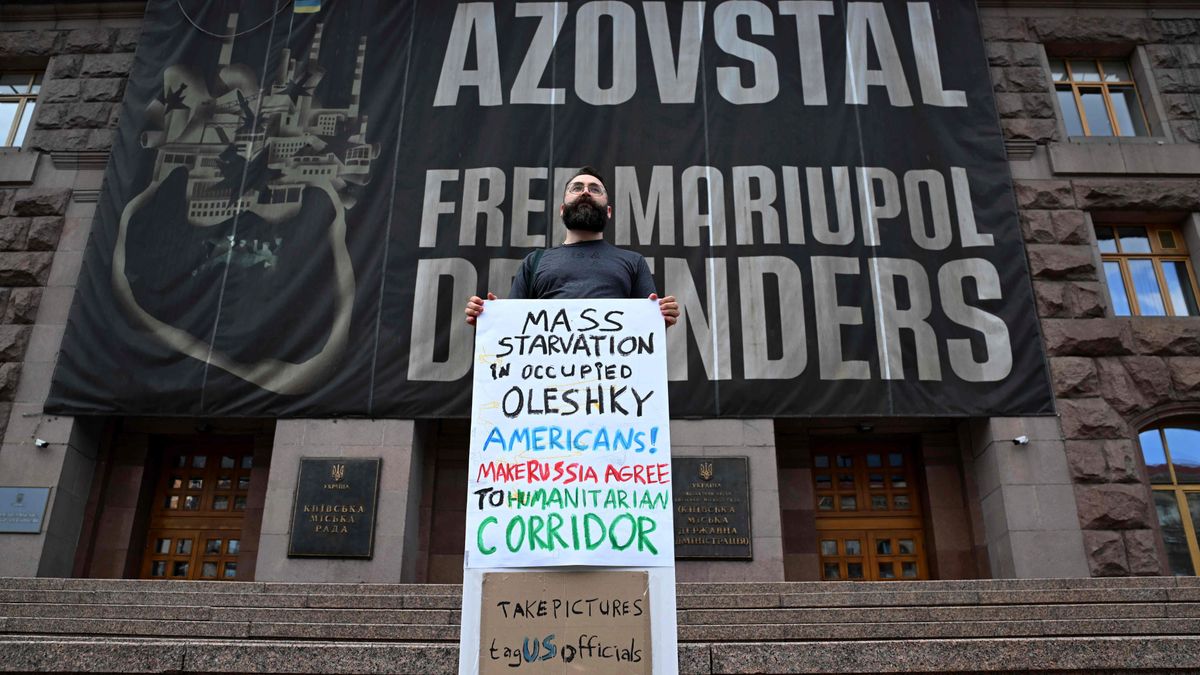
At the initiative of the artist and activist Yona Tukuser, the world has known since the beginning of September about the suffering of the people in Oleschky. #Oleschky #Hungersnot #Ukraine (translated)

Oleschky hungert weiter - Menschen müssen für Essen 40 km durch Minen
www.bild.de
2045
Bild 7d

The residents of Oleschky in southern Ukraine are forced to travel 40 kilometers through a minefield to get food, while they have to choose daily between hunger and the danger of mines and drone attacks. #Oleschky #Hungersnot #Ukraine (translated)

www.bild.de
Oleschky hungert weiter - Menschen müssen für Essen 40 km durch Minen
2045
S
Sandfeen 1w

“You cannot preach self-government and liberty to people in a starving land. Only a well-fed, well-housed, well-schooled people can enjoy the blessings of liberty.” — Fiorello La Guardia, former mayor of New York La Guardia was making a simple argument: people cannot fully enjoy liberty if they lack the basic conditions that make independence possible. That should make Danes stop and think. Denmark is not a starving land. We are wealthy, highly educated and protected by one of the world’s most extensive welfare states. And yet, look at the direction of travel. The cost of living and housing have become increasingly burdensome. Educational performance has deteriorated. And more and more decisions about how we live, work, raise our children, run our businesses and spend our own money are made through an ever-growing web of rules and regulations. So perhaps Denmark faces a different version of La Guardia’s warning. The question is no longer simply: Are Danes well-fed, well-housed and well-schooled? It is: Are Danes still being made capable of governing themselves? Because there is a difference between being provided for and being free. A prosperous welfare state can give people security. It can provide housing, education, healthcare and income protection. But it cannot manufacture the habits that liberty requires: independent thought, personal responsibility, courage, competence and a willingness to govern ourselves rather than continually asking the state to govern us. La Guardia warned that you cannot build liberty on hunger. Perhaps Denmark should ask whether security without sufficient independence can preserve it. A free society needs more than citizens who are taken care of. It needs citizens capable of taking responsibility for themselves. That is the real meaning of self-government” - ChatGPT

797
Krzysztof Graj 1w

Africa Daily Report — 3 October 2026 Major developments reported during the previous 24 hours. 1. Ethiopia / Eritrea — Fighting advances toward Mekelle as regional-war fears intensify Ethiopian federal forces and allied militias advanced toward Mekelle amid renewed fighting with the TPLF-led rebel alliance. The military escalation comes alongside the rupture of diplomatic relations between Ethiopia and Eritrea, while the African Union has urged Ethiopia, Eritrea and Egypt to exercise maximum restraint. The combination of battlefield escalation, diplomatic expulsions and regional rivalries makes this the continent's most consequential security development today. Source: https://www.reuters.com/world/africa/ethiopian-forces-near-tigray-capital-fears-grow-wider-conflict-2026-10-02/ 2. DR Congo — Ebola death toll passes 4,000 as response is disrupted Importance: 10/10 — Critical DR Congo's Ebola outbreak has reached about 8,300 confirmed cases and more than 4,000 deaths. Containment is being undermined by insecurity, destruction of treatment infrastructure, difficulties tracing displaced contacts and health-worker payment disputes. The outbreak is now the deadliest Ebola episode in DRC's history. Source: https://apnews.com/article/4c79b59ec81a08675d2506c9e176d125 3. Sierra Leone / EU — Aid dispute linked to wanted cocaine trafficker Importance: 9/10 — Very High The EU has suspended €18 million in financial support to Sierra Leone, according to the Dutch government, amid a dispute over Freetown's cooperation in efforts to arrest and extradite convicted cocaine trafficker Jos Leijdekkers. Sierra Leone disputes the characterization of the funding delay as punishment over the fugitive case, saying procedural financing issues are involved. Source: https://www.reuters.com/world/eu-cuts-aid-sierra-leone-over-its-help-convicted-cocaine-kingpin-netherlands-2026-10-01/ 4. Guinea-Bissau — Military authorities block former president Embalo's return Guinea-Bissau's military leadership has barred ousted former president Umaro Sissoco Embalo from returning from exile, citing security concerns. Embalo had announced plans to return ahead of the 6 December presidential election and says he intends to contest it. The decision adds uncertainty to the country's political transition and electoral process. Source: https://www.reuters.com/world/africa/guinea-bissau-military-leaders-bar-ousted-presidents-return-2026-10-02/ 5. Cameroon / Central African Republic — $391 million World Bank-backed corridor financing Importance: 8/10 — High Cameroon's President Paul Biya authorized a €347.5 million ($390.9 million) World Bank loan agreement for the Douala–Bangui Economic Corridor project. The investment is intended to improve infrastructure and economic connectivity between Cameroon and the Central African Republic, making it an important regional trade and logistics project. Source: https://www.reuters.com/world/africa/cameroon-authorises-391-million-world-bank-loan-2026-10-02/ 6. South Africa — Political killings reach record level ahead of local elections At least 43 people were reported killed in suspected politically connected attacks in South Africa from January through September, according to research published ahead of the 4 November local elections. KwaZulu-Natal has been particularly affected. The violence adds a serious security dimension to the election. Source: https://www.africanews.com/programmes/news/ 7. Kenya — $16 billion Lamu refinery faces another legal challenge Importance: 8/10 — High The planned $16 billion Dangote refinery at Lamu, one of East Africa's largest prospective industrial investments, faces another legal challenge. Consumer-rights group COFEK is seeking disclosure of details surrounding the Kenyan government's planned participation, adding to an existing land-related court dispute. Source: https://www.okayafrica.com/today-in-africa-october-2-2026-ethiopia-eritrea-rift-raises-regional-war-fears-eu-suspends-aid-to-sierra-leone/1440442 8. Botswana — Elephant cull for independence celebrations triggers conservation controversy Importance: 7/10 — High Botswana authorized the killing of 23 elephants and dozens of antelope to provide meat during its 60th independence celebrations, reopening debate over elephant management and hunting. The government argues that controlled hunting helps manage its exceptionally large elephant population and benefits communities exposed to human-wildlife conflict; conservationists have criticized the decision. Source: https://apnews.com/article/4f85f8d5c144a464eae2fc721135213e 9. Algeria — Parliament backs death penalty for deliberate forest arson Algeria's parliament approved legislation providing for the death penalty for deliberately setting fire to forests, woods or fields, following deadly wildfire seasons. Algeria retains capital punishment in law but has not carried out an execution since 1993. The legislation still requires further institutional review before final ratification. Source: https://www.al-monitor.com/originals/2026/10/algeria-moves-restore-death-penalty-arson-what-know 10. Sudan — Rights groups warn of widespread sexual violence against women and girls Importance: 9/10 — Very High Sudanese women's-rights organizations are warning that sexual violence, exploitation, detention and torture remain widespread amid the war, with many cases likely undocumented because of insecurity and fear of retaliation. Displaced women and girls are especially vulnerable as conflict, hunger and the collapse of livelihoods compound protection risks. Source: https://allafrica.com/stories/202610020092.html #Africa #AfricaNews #TopNewsOfAfrica #SierraLeone #EuropeanUnion #EU #AidDispute #CocaineTrafficking #JosLeijdekkers #Diplomacy #Cameroon #CentralAfricanRepublic #WorldBank #DoualaBanguiCorridor #Infrastructure #RegionalTrade #Logistics #AfricanEconomy #Ethiopia #Eritrea #Tigray #Mekelle #HornOfAfrica #RegionalConflict #RegionalSecurity #AfricanSecurity #Geopolitics #AfricaToday #wrldorg

570
Barry Malone 1w

The author said that the latest edition of Proximities covered reports that seven children a day were dying of Ebola in DR Congo, a senior U.N. food official’s claim that they had been dismissed over their stance on hunger in Gaza, and South Korea’s threat of further action against Ukraine. The author added that it could be read in under two minutes. https://t.co/iXXaPCl0xK #Actualidad #Noticias #CrisisMundial #CD #PS #KR #UA

570
Spiegel Online 1w

The World Food Programme warns of a devastating famine in Yemen as the fighting between the Houthi militia and Saudi Arabia escalates, and three out of four households can no longer meet their basic needs. #Jemenkrieg #Hungerhilfe #Huthis (translated)

www.spiegel.de
Jemen: Welternährungsprogramm befürchtet verheerende Hungersnot
1939
Bild 2w

In his column, Harald Martenstein describes the desperate situation of the people in the besieged Ukrainian city of Oleshky, who are suffering from hunger and despair, while criticizing the inaction of the international community and the German government. #Oleschky #Holodomor #UkrainischeKrise (translated)

www.bild.de
Mail von Martenstein - Wird meine Regierung euch helfen?
1944
newsORF.at 2w

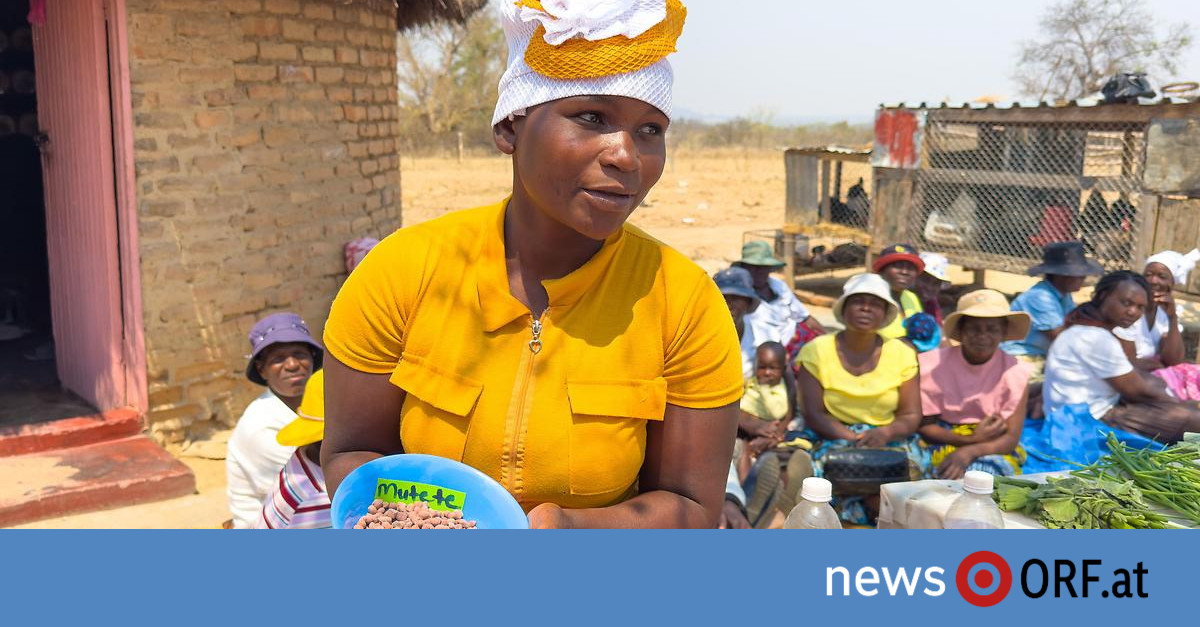
In Zimbabwe, there is great concern about a renewed drought condition due to the weather phenomenon "El Niño," which could lead to crop failures and hunger following a devastating drought two years ago, while the population is equipped to face the challenges with drought-resistant plants and smart agriculture. #ElNino #Dürre #Simbabwe (translated)

orf.at
„El Nino“ lässt Simbabwe zittern
1718
Værrøckt 🇩🇰👫🐕🇩🇰 2w

@realityloop23 @Lavendelhe17923 1. Er war schon im Date 2. Diese Kriegskulisse ist wirklich grausam 3. Es herrscht irrer Hunger, wie jeder sehen kann 4. Trinkwasser ist knapp, weil alles in Pools verplempert wird 5. Glauben sie weiter den Medien #Krieg #Hunger #Medien

11815
Ulrich Vosgerau 2w

Bei Maischberger noch den letzten Rest vom Steinbrück-Interview gesehen, das ist ja ein Mann, den man ansonsten als halbwegs vernünftig ansieht. (Auch wenn damals beim Photo mit Helmut Schmidt damals das Schachbrett nicht richtig stand, es sind so die kleinen Dinge – das hätte er doch eigentlich sehen müssen). Aber auch hier bei ihm wieder, mit größter (scheinbarer) Überzeugung, dies ist in der Postdemokratie, in der es auf den "Elitenkonsens" ankommt, eben ein wesentliches Merkmal der Zugehörigkeit zu den Eliten, zum politisch-medialen Komplex – folgende Erzählung: Deutschland war jahrzehntelang ein armes, graues Land, geprägt von Hunger und hoher Kindersterblichkeit! Denn man konnte ja rein gar nix exportieren, daran war die deutsche Währung, der "Taler" Schuld! (Steinbrück sagt allen Ernstes, die deutsche Währung, wäre es nicht der €, würde der "Taler" sein - mit dem man nicht mehr exportieren könnte!). Dies änderte sich erst schlagartig im Jahr 2002, allein durch eine Entscheidung der Politik: den € einzuführen! Man merkt also: die Wirtschaft kann rein gar nichts für die Wirtschaft tun, auch aus eigener Kraft nichts exportieren – es kommt immer nur auf die Politiker an! Die sich z.B. mit den französischen Politikern zusammentun und sagen: Deutschland zahlt denen die Staatsschulden! Eine kluge Entscheidung, der alleinige Weg zum Wohlstand... In Wahrheit weiß jeder (es kommt aber im ÖRR nicht vor!): solange es die D-Mark gab, hatte kaum jemand (jedenfalls in Westdeutschland) wirklich Angst vor der Zukunft. Nun alle! So lange wir die D-Mark hatten, wurde uns in der Welt ein Respekt entgegengebracht, für den alle anderen eine Atombombe brauchten. Seit wir den € haben, trampeln alle auf uns herum. Und wenn wir sagen, "Entschuldigung - muß das sein?", sagen sie: "Erst zahlt ihr unsere Staatsschulden, dann leiht ihr euch Geld aus und überweist es an uns, damit wir weiter 'Großmacht' spielen können. Wir wollen schließlich Europa!" Und unsere Politiker erzählen uns: erst dem € verdanken wir bescheidenen Wohlstand, vor 2002 waren wir ja alle bitter arm, und alles ist nur in unserem Interesse! Jeder weiß, daß dies alles lauter Lügen sind. Und jeder weiß auch, daß – bisher jedenfalls – jede Karriere sofort endet, wenn man auf die völlig offensichtlichen Tatsachen hinweist... #Deutschland #Politik #Wirtschaft

12394
Yona Tukuser 2w

„Die Menschen werden verrückt. Humanität ist nicht mehr vorhanden und es endet in Kannibalismus. Meistens wird bei den Kindern angefangen.“„Er verändert die chemischen Strukturen im Gehirn“, erklärt Yona. #Oleschky #Hungerkrise #UkrainischerKrieg

Putin lässt komplette Stadt aushungern - Menschen in Oleschky essen jetzt Gras und Hunde
www.bild.de
2184
Bild 2w

In der ukrainischen Stadt Oleschky sind die Menschen aufgrund der blockierenden Maßnahmen Russlands gezwungen, verbotene Nahrungsmittel wie Gras und Hunde zu essen, während sie mit dramatischem Hunger und einem Mangel an Lebensmitteln und medizinischer Versorgung kämpfen. #Oleschky #Hungerkrise #UkrainischerKrieg

www.bild.de
Putin lässt komplette Stadt aushungern - Menschen in Oleschky essen jetzt Gras und Hunde
2184
Spiegel Online 2w

In der von Russland besetzten ukrainischen Stadt Oleschky leiden die Bewohner aufgrund des fehlenden Zugangs zu Nahrungsmitteln und sind gezwungen, Unkraut zu essen, während eine Hungerkatastrophe droht und eine Evakuierung zwischen Moskau und Kyjiw umstritten bleibt. #Oleschky #Hungerkatastrophe #Ukraine

www.spiegel.de
Ukraine: Unter russischer Besatzung – Hungerkrise in Oleschky
1956