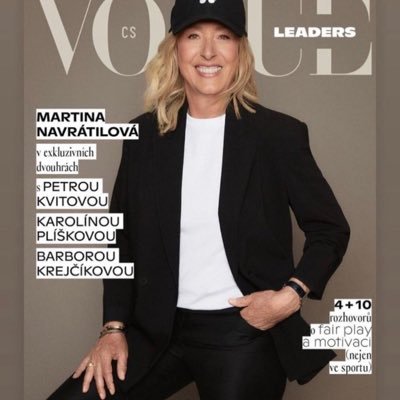
V roce 2013 ji Pensylvánská univerzita vyprovodila bez rozloučení. Žádný večírek, jen strohé oznámení, že nedosahuje „akademických kvalit“. O deset let později sdílela Nobelovu cenu za fyziologii a lékařství. Bez úpravy, kterou s Drewem Weissmanem v laboratoři objevila, by syntetická mRNA v těle spustila zánět a vakcíny proti covidu-19 by se nepodařilo nasadit včas. Vítejte v dalším díle mého každodenního seriálu #ZenyVeVede. V předchozích dílech jsem se věnoval vědkyním z minulého století a mohlo to tak působit, že už je pryč doba ústrků žen-vědkyň. Proto dnes sáhnu po současnoti. Katalin Karikóová (@kkariko) se narodila 17. ledna 1955 v maďarském městě Kisújszállás na Velké uherské nížině. Otec byl řezník a rodina žila v jedné místnosti vytápěné pilinami, bez tekoucí vody. V dětství se do té doby s žádnou vědkyní nesetkala, přesto se jí chtěla stát. Už ve třinácti letech jela sama přes celou zemi na letní přírodovědný tábor. Na univerzitě v Szegedu (Segedínu) vystudovala biochemii a v roce 1982 obhájila doktorát. Již tam začala pracovat s ribonukleovou kyselinou. Když laboratoři v roce 1985 došly peníze, dostala nabídku stáže na Temple University ve Filadelfii. Z komunistického Maďarska tehdy směla rodina vyvézt jen sto dolarů. S manželem, inženýrem Bélou Franciou, proto prodali auto na černém trhu a výtěžek – zhruba tisíc dolarů – zašili do plyšového medvěda dvouleté dcery Susan. (Ta mimochodem později vyhrála dvě zlaté olympijské medaile ve veslování v barvách Spojených států.) Ve Spojených státech se Karikóová pohybovala spíše na okraji akademického světa. Po působení na Temple University a krátkém pobytu v Bethesdě nastoupila v roce 1989 na lékařskou fakultu Pensylvánské univerzity (@PennMedicine) na pozici výzkumné asistentky. Šlo o nižší pozici bez nároku na definitivu (tenure), která byla závislá na grantech – a ty ona neměla. Pracovala mezi kardiology a jejím cílem bylo, aby buňky podle návodu z laboratorně vyrobené mRNA samy produkovaly léčivé bílkoviny. Messenger RNA (mRNA) je krátký přepis z DNA. Buňka podle něj složí bílkovinu a zprávu zahodí. Umělá mRNA se ale imunitnímu systému jevila jako virová infekce. Buňky umíraly a grantové komise žádosti zamítaly s tím, že nápad nemá budoucnost. V roce 1995 přišlo hned několik ran naráz. Manžel uvízl kvůli vízům v Maďarsku, jí samotné diagnostikovali nádor. Univerzita jí po pěti letech na pozici oznámila, že ji nepovýší. Mohla odejít, nebo přijmout degradaci. Zůstala. Šéf její laboratoře Elliot Barnathan brzy odešel a Karikóová se díky svému bývalému studentovi Davidu Langerovi přesunula na neurochirurgii. Stále neměla vlastní grant ani stálé místo. V roce 1997 potkala u kopírky imunologa Drewa Weissmana, který hledal vakcínu proti HIV. Ona pro změnu uměla vyrábět mRNA. Společně začali zkoumat, proč syntetická zpráva v těle bije na poplach, zatímco vlastní lidská mRNA nikoliv. Klíč ležel v transferové RNA, která obsahuje přirozeně upravené stavební kameny, mimo jiné pseudouridin. Když v laboratorní mRNA nahradili uridin touto upravenou bází, imunitní receptory TLR7 a TLR8 přestaly spouštět zánětlivou reakci. Zpráva prošla a buňka začala tvořit bílkovinu – dokonce ve větším množství než z neupravené RNA. Jejich přelomový článek vyšel v srpnu 2005 v časopise Immunity. První autorkou byla Karikóová, posledním Weissman. Prestižní časopisy totiž jejich práci předtím odmítly a ohlas byl zprvu velmi slabý. V roce 2008 vědci prokázali, že stejná úprava zvyšuje produkci bílkovin (translaci) a v živém organismu nevyvolává takzvanou interferonovou bouři. Přesně na tomto mechanismu stojí vakcíny firem Pfizer/BioNTech (@BioNTech_Group) a Moderna: lipidová nanočástice dopraví do svalu návod na spike protein, tělo si ho samo vyrobí a naučí se ho rozpoznat. Bez oné tiché, neútočné mRNA by vakcína v buňkách vyvolala silný zánět dřív, než by stihla vybudovat imunitu. Univerzita mezitím Karikóovou nadále držela mimo hlavní akademickou dráhu. Když kolem roku 2010 požádala o návrat na původní pozici, dozvěděla se, že kdo byl jednou degradován, nedosahuje „akademických kvalit“. Weissman byl v roce 2012 jmenován řádným profesorem. Ona musela v roce 2013 odejít. „Po čtyřiadvaceti letech mě vyhodili. Žádná rozlučka. Šla jsem na parkoviště a přemýšlela, co dál,“ svěřila se později Nobelově nadaci. Přijala proto nabídku Uğura Şahina z BioNTechu. Deset let pendlovala mezi německou Mohučí a Pensylvánií, zatímco její rodina zůstala v Americe. Když v roce 2020 svět potřeboval vakcínu v řádu měsíců, zachránila ho technologie popsaná v jejích studiích z let 2005 a 2008. Pensylvánská univerzita z licencí k patentům na nukleosidově modifikovanou mRNA později inkasovala přes miliardu dolarů. Karikóová získala v roce 2023 s Weissmanem Nobelovu cenu. Polovina tehdejší odměny jedenácti milionů švédských korun (zhruba 11,5 milionu korun českých) putovala na její konto. Část peněz věnovala Segedínské univerzitě na podporu mladých vědců. Dnes působí jako profesorka v Segedínu – odkud kdysi odcházela s medvědem nacpaným bankovkami – a jako externí profesorka na Pensylvánské univerzitě, která ji předtím vyhodila. V roce 2026 ji zvolili do všech tří amerických národních akademií, což je vzácná „trojkoruna“. Dodnes říká, že lidem, kteří jí ztěžovali život, vděčí za to, že musela pracovat ještě usilovněji. Matildin efekt (opomíjení žen ve vědě) v jejím případě nenabyl podoby krádeže objevu, Weissman její podíl nikdy nezpochybnil. Filtr systému byl jiný: neosobní grantový automat, který ženu bez velkého týmu a atraktivního tématu odsunul do podpůrné laboratoře, odsudek o „nedostatečných kvalitách“ a tichý vyhazov ve chvíli, kdy její kolega získal profesuru. Objev, za který vděčíme za své očkovací certifikáty, přitom vznikl v letech, kdy jí domovská instituce tvrdila, že nemá žádnou budoucnost. P.S.: Každý den sem dávám příběh o opomíjené vědkyni. Pomozte sérii #ZenyVeVede šířit – dejte like, sdílejte a sledujte @tkapler, ať vám neuteče další díl. O kom byste chtěli další článek, nebo alespoň z jakého oboru? Napište mi. #ZenyVeVede #Veda #NobelovaCena
Fascinating study, showing that cancer cells secrete antioxidants that suppress immunity. When I started in the longevity field, the free radical theory was dominant. Antioxidants were touted as anti-aging. We were among the first to criticize the free radical theory of https://t.co/SOJujOZjYn #CancerResearch #Antioxidants #Longevity #Nospecificcountriesarementionedinthetweet.
Milo Yiannopoulos, far-right activist, pedophile, Trump supporter, is arrested by ICE to be deported for overstaying his visa — He had reveled in mass deportations, calling for ICE checkpoints at supermarkets and gas stations and its total legal immunity https://t.co/kAYQw3VHNH #MiloYiannopoulos #ICE #Deportation #US
"Lessons from Germany's history", Ambassador @Amb_Berger? You called a gesture to Poland's surviving Nazi victims a "political decision", admitting there's no legal barrier, only an unmade choice. Germany champions the ICC for others, yet hides behind state immunity at the ICJ https://t.co/NtREVYQmxE #Germany #NaziVictims #ICJ #DE #PL
Rabaa: The Hour the World’s Conscience Stood Still On the anniversary of one of the largest single-day killings of protesters in modern history, one question remains unanswered: who will be held accountable? By Adham Hasanin Egyptian journalist and political writer, based in the Netherlands On 14 August, the anniversary returns of a day unlike any other in modern Egyptian history. Not simply because it was the bloodiest Egypt has known wars and massacres before and since ,but because it was the day a state chose to open fire on its own people in broad daylight, in front of the world’s cameras, and then let thirteen years pass without a single officer ever being held accountable. This article will not be a cold recitation of statistics, though the statistics exist, are documented, and are horrifying. It is an attempt to understand something deeper: how a square in the heart of Cairo, filled with tents, children, and worshippers, became the site of the largest mass killing the Arab world has witnessed in the past decade and why the echo of that day still reverberates in every Egyptian prison cell today. I. A Morning That Began Like Any Other For readers unfamiliar with the background: in July 2013, the Egyptian military, led by then-General Abdel Fattah el-Sisi, removed Mohamed Morsy Egypt’s first freely elected civilian president, a member of the Muslim Brotherhood who had taken office in 2012 following the 2011 uprising against Hosni Mubarak. In response, tens of thousands of Morsy’s supporters staged an open-ended sit-in demanding his reinstatement. By 14 August 2013, more than twenty thousand people had spent weeks camped out at two Cairo squares, Rab’a al-Adawiya and al-Nahda, in a peaceful sit-in. They were not an army, nor a uniform bloc; they were entire families men, women, and children, some affiliated with the Muslim Brotherhood, many simply ordinary citizens who saw the restoration of elected legitimacy as a cause worth the risk. There were tents for sleeping, communal kitchens feeding the demonstrators, speaking platforms, and a small field clinic that no one imagined would, within hours, become one of the most terrifying places in modern Egyptian history. In the early hours of that morning, Central Security Forces and army units, under the command of then-General Sisi, began what was officially described as a "dispersal" operation targeting both sit-ins simultaneously. It was not a dispersal in any ordinary sense of the word. According to a year-long investigation by Human Rights Watch, it was a pre-planned operation that anticipated, from the outset, thousands of deaths. II. The Numbers the Regime Refuses to Speak The Egyptian government, to this day, cites a death toll of "over 600" for that single day a figure that, even at its official lowest, is horrifying enough to warrant an independent international investigation. But the field investigation conducted by Human Rights Watch, drawing on field hospital records, survivor testimony, and analysis of video footage from dozens of angles, arrived at a far more disturbing figure: at least 817 people killed at Rab’a Square alone, with the true toll likely exceeding 1,000, plus another 87 killed at the nearby al-Nahda Square. When the deaths from the weeks surrounding 14 August are added from the dispersal of the Republican Guard sit-in on 8 July, through the Mansoura Street killings, to the dispersal of an October 6 march the combined total reaches at least 1,150 deaths in just six weeks, according to Human Rights Watch’s meticulous documentation. This figure led the organisation to use a term not deployed lightly in international law: crimes against humanity. Human Rights Watch described the Rab’a killings as "one of the world’s largest killings of demonstrators in a single day in recent history." Not in Egyptian history alone in modern history as a whole. What happened at Rab’a is cited in international reporting alongside China’s 1989 Tiananmen Square massacre. This is the true scale of what the Egyptian state has spent thirteen years trying to minimise, justify, and reduce to a mere "security incident" in a news bulletin. III. "All According to Plan" When Mass Killing Becomes Administration, Not Chaos The title Human Rights Watch chose for its detailed report on the massacre deserves lingering on: "All According to Plan." This is not an emotive headline; it is a precise legal conclusion built on field evidence. According to the investigation, what happened at Rab’a was not a dispersal operation that spiralled out of control amid chaos or panic, as the regime later tried to portray it. It was a carefully planned operation that assumed, in advance, massive casualties. Then-Interior Minister Mohamed Ibrahim admitted, in a televised interview broadcast on 31 August 2013 just weeks after the massacre that his ministry had anticipated losses of "10 percent of the people" present at the sit-in, acknowledging that the number of demonstrators exceeded twenty thousand. By simple arithmetic, this is an official admission that the state anticipated, in advance, the deaths of roughly two thousand people and proceeded with the operation regardless. This is the true horror at the heart of the Rab’a story: it was not a security operation that spun out of control, but a conscious administrative decision, made in an air-conditioned room, with advance calculations, by men who knew precisely how many human beings would die under their fire and who proceeded anyway, or perhaps because of it. According to Human Rights Watch’s analysis, the objective was to send an unambiguous message: whoever challenges the new state will pay an irreversible price. IV. Snipers, Women, and Children The Faces the Reports Do Not Tell Behind every number in the Human Rights Watch reports lies a full human story, deliberately omitted from the state’s official narrative. The investigation documented how security forces opened fire from multiple angles, and how snipers positioned themselves atop buildings surrounding the square, targeting according to survivor testimony and analysed video footage any movement in the square, regardless of whether it was an armed combatant or a nurse trying to reach a wounded person. According to documented testimony, entire families had their tents burn over their heads as fire swept through the sit-in. Doctors and paramedics were killed while trying to pull the wounded from the line of fire. Most damningly of all, the documentation shows deliberate targeting of ambulances and field medical points meaning that wounded people who survived the first bullet then faced death by bleeding out, because anyone attempting to save them was themselves a target. This detail the targeting of medics is what elevates the event from "excessive violent repression" to what human rights organisations have described as a systematic crime. When security forces target those trying to save the wounded, they are not merely dispersing a sit-in; they are preventing witnesses from surviving to tell what happened. V. Thirteen Years of Total Impunity The most painful part of the Rab’a story is not only what happened that day, but what has not happened in the years since. From 14 August 2013 to today, not a single officer, of any rank, has been held accountable for the deaths of hundreds, or thousands, of Egyptians. Quite the opposite: the state has moved to entrench impunity through the force of law itself. Egypt issued legislation granting senior military officers immunity from questioning over any violations that may have occurred following Morsy’s removal a law specifically designed to close the door on any future judicial accountability, regardless of how political circumstances might change. Even the fact-finding committee established by then-interim President Adly Mansour to investigate the June and July events concluded, in its report issued more than a year after the events, that the sit-in’s leaders bore responsibility for the deaths, on the grounds that they had allowed weapons into the square even as the same report admitted, in a glaring contradiction, that security forces had failed to target only armed individuals, meaning they had fired indiscriminately on everyone: armed and unarmed, man and woman, adult and child. This is the pattern that has repeated for over a decade: as each anniversary approaches, official statements re-narrate the events and shift blame onto the victims, while the actual perpetrators — those who planned the operation, gave the orders, and pulled the trigger — remain free. Some now occupy the highest offices of the state. VI. Why This Anniversary, Why Now? A reader might ask: why revisit this story after all these years? Has the world not moved on to newer crises? The answer lies in the very nature of impunity. When a state is never held accountable for the largest massacre of protesters in its modern history, it does not simply "forget" the crime it sets a precedent, telling every future ruler and every future security apparatus: mass killing is possible, politically profitable, and free of cost. This poisonous lesson does not remain confined within Egyptian borders; its echo reaches every Arab capital contemplating how to handle its own opposition. More dangerously, this system of impunity did not stop at Rab’a’s edges; it is the foundation on which Egypt’s entire subsequent decade of repression was built: thousands of political prisoners, grossly unfair mass trials that produced death sentences for dozens of defendants in cases linked directly to the Rab’a events themselves, laws criminalising peaceful protest, a muzzled press, and a civil society hollowed of substance. All of it traces back to the morning of 14 August 2013, when the state learned that overwhelming force succeeds, and that the world will condemn for a few days, then move on. VII. Delayed Justice Is Not Forgotten Justice Despite more than a decade of official silence and impunity, the Rab’a case remains alive in international legal memory. Human rights organisations, from Human Rights Watch to Amnesty International, continue to renew their annual calls for an independent international investigation, grounded in the legal principle that crimes against humanity are not subject to statutes of limitation: delayed justice is not forgotten justice. The victims who fell in that square were not numbers in a statistical report. They were fathers who left behind children too young, that day, to understand why their father would never return. They were mothers who, thirteen years later, are still searching for a clearly marked grave to which they can carry flowers, and young people who had decades of life ahead of them that they never got to live. Their memory does not fade with time; it grows with their children, who carry with them the same question their parents asked before they were killed: when will justice come? Conclusion: What Does This Anniversary Demand of Us? Every year, as the anniversary of 14 August returns, the same question resurfaces one the Egyptian state refuses to answer: who gave the order? Who planned the operation? Who decided that twenty thousand human beings deserved to be shot with live ammunition because they staged a peaceful sit-in? This anniversary is not a call for vengeance, nor an invocation of the past for its own sake. It is a reminder that justice, however delayed, remains a debt still owed. And that every instance of international silence over a massacre of this scale opens the door to the next one, elsewhere, under a different pretext, carrying the same lethal conviction: that the world will condemn for a week, then forget. We will not forget. And we will not stop asking the question that unsettles everyone who took part in that crime, regardless of the office they hold today: where is the accountability? Rab’a is no longer merely the name of a square in Cairo. In the conscience of everyone who believes in justice, it has become a test of the world’s conscience itself a test the world has not yet passed.
Israeli settlers are given immunity by the Israeli State to commit acts of Terrorism every day. But that's no problem for the EU with the 'European Values'... #IsraeliSettlers #Terrorism #EuropeanValues #IL #EU
UFO whistleblowers will provide White House with locations of craft & biologics — Rep. Luna “We have talked directly to the White House. Stephen Miller is absolutely incredible on this topic… We are going to get them immunity & protection so they can divulge that information.” https://x.com/UAPJames/status/2070160000094278104#m

RT @KenRoth: The tax immunity that Trump's administration just corruptly handed Trump "frees the president from a potential adverse ruling… #Trump #TaxImmunity #Corruption #Therearenospecificcountriesmentionedinthetweet.Therefore #therearenocountrycodestoprovide.
RT @JoyceWhiteVance: 2/ Continued: "The Supreme Court has already given Trump immunity from criminal prosecution for official acts, but pay… #SupremeCourt #TrumpImmunity #CriminalJustice #Nospecificcountrycodesarementionedinthetweet.
RT @DKThomp: Within one 24 hour period, Trump: - got out of a $100 million IRS fine - secured "immunity" from all future tax investigation… #Trump #TaxJustice #IRS #Nospecificcountrycodesmentioned.
RT @WSJ: The Trump administration’s decision to provide tax immunity to President Trump, his family and his businesses is extraordinary and… #Trump #TaxPolicy #LegalImmunity #US
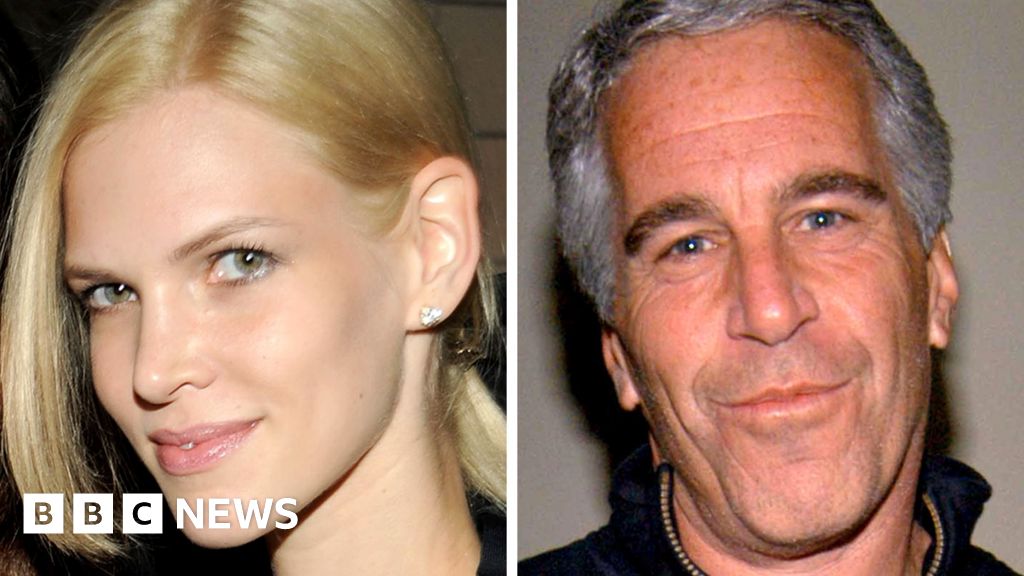
Nadia Marcinko, Jeffrey Epstein's former girlfriend and assistant pilot, may face renewed scrutiny as US legislators consider investigating her role as a potential co-conspirator in Epstein's abuse despite a 2008 plea deal granting her immunity, with accounts from abuse victims suggesting she could have aided in his criminal activities, while her lawyers argue she was a victim of his coercive tactics. #JeffreyEpstein #VictimComplex #SexTrafficking

A French judge has been appointed to lead an inquiry into the killing of journalist Jamal Khashoggi, following a court ruling that deems complaints of torture and enforced disappearance admissible, despite previous judicial limitations and immunity granted to Saudi Crown Prince Mohammed bin Salman by the U.S. administration. #JusticeForJournalists #HumanRights #KhashoggiCase #FR #SA #TR #US
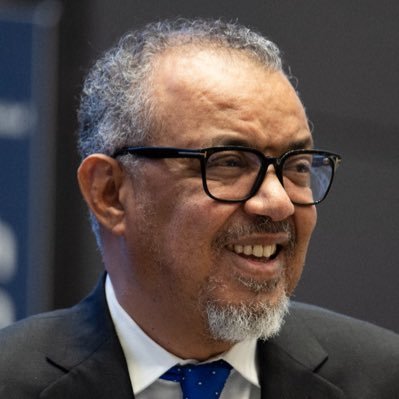
Tedros Adhanom Ghebreyesus: Despite this being a serious incident, WHO assesses the health risk to the public as low. This also demonstrates why the International Health Regulations exist and how they work. Solidarity is our best immunity. Only when we support each other can we respond effectively.
Austria recently expelled three Russian diplomats suspected of espionage activities, highlighting the country’s increasing concern over the use of diplomatic immunity for intelligence gathering, especially in light of reports about unusual antenna systems on Russian diplomatic buildings in Vienna capable of intercepting communications. #Espionage #Diplomacy #SecurityIssues #AT #RU #DE #PL #FR #UA
In a significant trial, a U.S. jury found Meta and Google negligent in designing their platforms, ruling them liable for a woman's depression and addiction, prompting Meta to seek to overturn the verdict based on claims of immunity under Section 230 of the Communications Decency Act. #SocialMedia #MentalHealth #Addiction #US #US
The former director of Aifa says it was known that the vaccines did not stop Covid transmission. And then it becomes very serious: the idea of vaccinating everyone to stop the transmission of the virus and build herd immunity was perhaps a bunch of nonsense, and it would be a revolution. (Original: L’ex direttore dell’Aifa dice che si sapeva che i vaccini non bloccavano il contagio Covid. E allora diventa gravissimo: l’idea di vaccinare tutti per fermare la trasmissione del virus e costruire l’immunità di gregge forse era una str***a, e si tratterebbe di una rivoluzione) #Vaccines #COVID19 #HerdImmunity #IT