WRLD

Search

#Lucca
Luciano Magaldi Sardella (PhD) 24m

LETTERE MERIDIANE — “TEATRO-EDICOLA” OF SAN SEVERO CONQUERS THE WORLD SOURCE: https://www.letteremeridiane.org/2026/10/il-teatro-edicola-di-san-severo-conquista-il-mondo/?fbclid=IwY2xjawU4oqFleHRuA2FlbQIxMQBwZG9mAXNydGMGYXBwX2lkEDIyMjAzOTE3ODgyMDA4OTIAAR5rVEwYs6UUXg7v-P0SyIQ_DRb_F6ZiY58OcseYoV4J7atcTiERnhWaqKM2pw_aem_Njle1jq1XLzHr93KLBUcVA After “Broadway World”, the “Los Angeles Journal”, “The Psychologist (British Psychological Association)” and Hollywood Beat Magazine, its “academic consecration” has now arrived courtesy of Stanford University. As I have already emphasised in my article on the revival of the GIO Festival in Foggia, celebrated by BroadwayWorld for the world stage premiere of the Giordano’s opera Marina (1888), the province of Foggia has long ceased to be peripheral. It happens when it finds an idea that shifts the coordinates: well, in San Severo, 40 kilometres from Foggia, it has happened again. Only this time an orchestra was not needed; six chairs were enough. The celebrated Teatro-Edicola of San Severo artistic director Francesco Gravino of the theatre company Foyer ’97 has been featured in the academic journal “Stanford Social Innovation Review (SSIR)” as an academic case study. The news, relayed on 19 September 2026 by ANSA Nazionale, looked like a misprint. Then it became clear that it was not. SSIR, an award-winning publication covering multisectoral solutions to global problems, included the project in its Dispatches section with the reportage “The Six-Seat Revolution”. It is the inverse trajectory to that of the GIO Festival: not a forgotten opera returning to a grand historic Italian horseshoe theatre, but an entire theatre reborn inside a disused place, forgotten by man. There are moments when past and future intertwine to create something visionary, innovative, artistically “revolutionary”: San Severo experienced one of those moments on the morning of 27 March 2026, during World Theatre Day, when the shutter of a newsstand closed for six years in Via Matteo Tondi was reopened “not to sell newspapers, but to offer stirring stories”, to quote Gravino’s motto. The idea of the visionary Francesco Gravino, artistic director, stage director and actor of the San Severo company Foyer ’97, active for at least 30 years in Capitanata, centred on the kiosk, hexagonal in metal and glass, granted free of charge by its owner Pino Frau, by now an urban relic created by the publishing crisis of the early 2000s: today in Italy active newsstands have fallen from about 35,000 in 2005 to about 20,000 in 2024, a decline of 42.8%. Gravino and eleven other actors restructured it in two weeks of work, without institutional funding, and transformed it into what is now under examination by the London commission of Guinness World Records as the “world’s smallest theatre”. The formula is deliberately austere: six spectators at a time outside, actors inside at less than a metre’s distance, 15-minute performances, continuous rotation from 11:00 to 20:45, texts ranging from Goldoni to Chekhov, from Ibsen to Dacia Maraini. On the door a QR code with an original theatrical warning: “Warning! This QR code transforms passers-by into actors. Scan only if ready.” The numbers immediately showed that it was no boutade: more than 60 people in a single afternoon, three inaugural days that sold out. But above all a positive echo that went beyond the borders of San Severo. “Broadway World” (just as in the previous case of the GIO Festival), the world’s most influential theatre criticism outlet with over 5.5 million monthly views, devoted exclusive coverage to it on 27 April 2026: “An Abandoned Italian Newsstand Just Became the World’s Smallest Theatre”. Not a mere listing, but an analysis: “There is no foyer, there is no balcony, there is no grid. There is barely a wing. What there is is something almost unrecognisable as an evening at the theatre, and for that very reason it is all the more powerful.” “Broadway World” captured Gravino’s manifesto idea: “This is a theatre of proximity. In an era of digital distance, we are putting human contact back at the centre,” framing it as “More than a clever exercise in site-specific theatre. It is a reappropriation.” All of this, in a Mezzogiorno of Italy often narrated only in terms of organised crime and marginalisation. To that seal of approval was added another, even more disorienting for a newsstand in San Severo: the “Los Angeles Journal”, one of the most influential publications on the West Coast for the performing arts. On 12 May 2026, it headlined thus: “San Severo’s Teatro-Edicola as an Innovative Model for Los Angeles Theaters?” opening as follows: “In a city in southern Italy that Hollywood has never heard of, a theatre director has just built the smallest stage in the world: six seats, fifteen minutes, zero distance. Los Angeles should pay attention.” The “Los Angeles Journal” does not indulge in folklore, but places the kiosk in Via Matteo Tondi alongside the prestigious 1,600-seat Ahmanson Theatre in Los Angeles, the Pantages of Broadway in Hollywood, the 99-seat plan of Rogue Machine, the Odyssey, the Victory Theatre and the Hollywood Fringe. It even recalls Ethan Marks’s Electrical Box Theatre, a veritable electrical box lined with red velvet in downtown Los Angeles, to argue that Gravino has taken to the extreme the question Los Angeles has been asking itself for decades: How small can a stage become before it ceases to be a stage? And it recognizes the San Severo urban model: almost zero cost, two weeks of work and six chairs, in return for immediate provincial, regional and national media coverage, recognition by the San Severo’s Municipal Administration, and a format exportable anywhere. Then, the third American piece came from “Hollywood Beat Magazine” on 20 April 2026: Six seats. Fifteen minutes. One actor. No stage. The magazine recounts the kiosk in Via Tondi left disused for almost six years, the contemporary six-seat cultural outpost, placing Francesco Gravino in a distinguished genealogy: Richard Schechner and environmental theatre, Jerzy Grotowski and poor theatre, Nicolas Bourriaud and relational aesthetics. But it closes with pragmatism: it is not a thesis, it is fixing a street corner, that is, repairing an urban street corner by asking not how large a theatre can become, but how small it must become again to recover its original power. And finally, the celebrated London-based “The Psychologist”, the journal of the “British Psychological Society (BPS)”, the oldest psychological society in the world, transformed the Teatro-Edicola into a scientific case study: on 30 July 2026 it published “The world’s smallest theatre — and Psychologists’ next act”, starting from the same detail, the morning of 27 March when the metal shutter of the hexagonal kiosk in Via Tondi reopened after six years, six people inside, an actor at less than a metre’s distance beginning Chekhov. It describes the formula: six spectators, 15 minutes, 11 actors over 10 hours, from Goldoni to Euripides, inside a kiosk where the fourth wall does not break because architecturally it never existed. But the BPS goes a step further: it cites the 2025 studies by Damien Gabriel in IBRO Neuroscience Reports, that live performance generates measurably stronger emotional and physiological activation than video, and introduces Edward Hall’s proxemics: below one metre is intimate space, reserved for doctors, close friends, lovers. In that one-square-metre space, the actor’s breath is audible, micro-expressions legible, the self-other boundary becomes permeable. The Teatro-Edicola “does not make theatre better, it makes it inevitable”. And it is here that one understands why Stanford is studying it as an academic case study in social innovation, not as a case of artistic originality. In Italy, meanwhile, the national media circuit had already picked up the phenomenon: RaiNews — TG2 Storie brought it to RaiDue at midnight on 19 April. RTL 102.5 devoted space to the format conceived by Gravino and developed by Foyer ’97 in the heart of San Severo in Via Tondi, defining it as a permanent micro-stage capable of bringing theatre into public space. ANSA.it, Gazzetta del Mezzogiorno, La Repubblica, TG2000, Radio Capital, Swiss RSI, ANSA Brazil and many others followed. And for the record: Fiorello praised it in La Pennicanza as an artistic case inspired by his Edicola Fiore, and Biagio Antonacci, on his tour in the Augustan amphitheatre of Lucera, made a “fact-finding” stop at the Teatro-Edicola singing the celebrated and nostalgic Iris in front of an audience certainly larger than the “six seats”. Francesco Gravino’s theatre company Foyer ’97 was not born yesterday: behind it lie the Teatro-Cantina of 2016, the underground theatre, and in 2011 a performance on the bell tower of a church in the centre of San Severo at 45 metres high. The Teatro-Edicola completes, in Gravino’s words, “the entire vertical extension of theatre: underground, street level, rooftop”. And it is preparing for its thirtieth anniversary in 2027 aiming to purchase the kiosk to make it permanent, exporting the “San Severo Model” to Rome, Lucca, and to the festivals of Santarcangelo and Todi. As with the GIO Festival, someone might dare to claim that it is merely a stunt, but when BroadwayWorld places you alongside the Los Angeles Opera House, the “Los Angeles Journa”l proposes you as a model for Hollywood, “Hollywood Beat Magazine” reads you through Grotowski and the “British Psychological Society” uses you to explain mirror neurones, it is no longer a stunt but an excellent artistic and academic positioning. To those who still whisper that Foggia and Capitanata are provincial, the answer is now written on two opposite and complementary fronts: on 5 June in Foggia a 138-year-old opera found the stage again at the Giordano ending up on BroadwayWorld; on 27 March in San Severo a 4-square-metre kiosk invented a stage that did not exist, ending up at Stanford, in Los Angeles, in Hollywood and in London. The periphery, when it has a precise idea, becomes the centre. Even with six chairs. Luciano Magaldi Sardella

www.letteremeridiane.org
Il teatro-edicola di San Severo conquista il mondo
46
Luciano Magaldi Sardella (PhD) 25m

LETTERE MERIDIANE — IL TEATRO-EDICOLA DI SAN SEVERO CONQUISTA IL MONDO SOURCE: SOURCE: https://www.letteremeridiane.org/2026/10/il-teatro-edicola-di-san-severo-conquista-il-mondo/?fbclid=IwY2xjawU4oqFleHRuA2FlbQIxMQBwZG9mAXNydGMGYXBwX2lkEDIyMjAzOTE3ODgyMDA4OTIAAR5rVEwYs6UUXg7v-P0SyIQ_DRb_F6ZiY58OcseYoV4J7atcTiERnhWaqKM2pw_aem_Njle1jq1XLzHr93KLBUcVA Dopo Broadway World, Los Angeles Journal, The Psychologist (British Psychological Association) ed Hollywood Beat Magazine, ora è arrivata la sua “consacrazione accademica” a cura della Stanford University. Come ho già sottolineato nel mio articolo sulla rivincita del GIO Festival a Foggia, celebrata dal BroadwayWorld per la prima mondiale scenica della giordaniana Marina (1888), la provincia di Foggia ha smesso ormai di essere periferia. Accade quando trova un’idea che sposta le coordinate: ebbene, a San Severo, a 40 chilometri da Foggia, è successo di nuovo. Solo che questa volta non serviva un’orchestra, ma sono bastate sei sedie. Il celebre Teatro-Edicola del sanseverese direttore artistico Francesco Gravino della Compagnia Teatrale Foyer’97 è finito sulla rivista accademica Stanford Social Innovation Review (SSIR) in qualità di caso di studio accademico. La notizia, rilanciata il 19 settembre 2026 da ANSA Nazionale, sembrava un refuso. Poi si è capito che non lo era. La SSIR, pubblicazione pluripremiata che copre soluzioni multisettoriali ai problemi globali, ha inserito il progetto nella sezione Dispatches con il reportage The Six-Seat Revolution. È il percorso inverso rispetto a quello del GIO Festival: non un’opera dimenticata che torna in un grande teatro storico italiano a ferro di cavallo, ma un teatro intero che rinasce dentro un luogo dismesso, dimenticato dall’uomo. Ci sono momenti in cui il passato e il futuro si intrecciano per creare qualcosa di visionario, innovativo, artisticamente “rivoluzionario”: San Severo ha vissuto uno di questi momenti la mattina del 27 marzo 2026, durante la Giornata Mondiale del Teatro, quando la saracinesca di un’edicola chiusa da sei anni in Via Matteo Tondi è stata riaperta “non per vendere giornali, ma per offrire emozionanti storie”, citando il motto graviniano. L’idea del visionario Francesco Gravino (nella foto sopra), direttore artistico, regista e attore della compagnia sanseverese Foyer ’97, attiva da almeno 30 anni in Capitanata si è basata sull’edicola, esagonale in metallo e vetro, concessa a titolo gratuito dal proprietario Pino Frau, ormai un relitto urbano creato dalla crisi dell’editoria degli inizi anni 2000: oggi in Italia le edicole attive sono scese da circa 35.000 nel 2005 a circa 20.000 nel 2024, con un calo del 42,8%. Gravino e altri undici attori l’hanno ristrutturata in due settimane di lavoro, senza fondi istituzionali, e l’hanno trasformata in quello che oggi è sotto esame della commissione londinese del Guinness World Record come “teatro più piccolo del mondo”. La formula è volutamente austera: sei spettatori alla volta fuori, attori dentro a meno di un metro, spettacoli di 15 minuti, rotazione continua dalle 11 alle 20.45, testi da Goldoni a Čechov, da Ibsen a Dacia Maraini. Sulla porta un QR code con un originale avvertimento teatrale: “Attenzione! Questo codice QR trasforma i passanti in attori. Scansionate solo se pronti.” I numeri hanno sùbito detto che non era una boutade: più di 60 persone in un solo pomeriggio, tre giornate inaugurali che hanno registrato il tutto esaurito. Ma soprattutto un’eco positiva che è andata oltre i confini sanseveresi. BroadwayWorld (proprio come il previo caso del GIO Festival) la più influente testata mondiale di critica teatrale con oltre 5,5 milioni di visualizzazioni mensili, il 27 aprile 2026 gli ha dedicato una copertura esclusiva: An Abandoned Italian Newsstand Just Became the World’s Smallest Theatre. Non una segnalazione, ma un’analisi: “Non c’è foyer, non c’è balconata, non c’è graticcia. C’è a malapena una quinta. Quello che c’è è qualcosa di quasi irriconoscibile come serata a teatro, e proprio per questo è ancora più potente.” BroadwayWorld ha colto l’idea manifesto di Gravino: “Questo è un teatro di prossimità. In un’epoca di distanza digitale, stiamo rimettendo il contatto umano al centro,” incorniciandolo come “Più che un abile esercizio di teatro site-specific. È una riappropriazione.”. Il tutto, in un Mezzogiorno d’Italia spesso raccontato solo per criminalità organizzata e marginalizzazione. A quel sigillo se ne è aggiunto un altro, ancora più spiazzante per un’edicola di San Severo: il Los Angeles Journal, una delle testate più influenti della West Coast per le arti performative. Il 12 maggio 2026, titola in questo modo: San Severo’s Teatro Edicola as an Innovative Model for Los Angeles Theaters? aprendo così: “In una città del Sud Italia di cui Hollywood non ha mai sentito parlare, un regista teatrale ha appena costruito il palcoscenico più piccolo del mondo: sei posti, quindici minuti, zero distanza. Los Angeles dovrebbe prestare attenzione.” Il Los Angeles Journal non fa folklore, ma mette il chiosco di via Matteo Tondi accanto al presigioso teatro losangelino Ahmanson da 1600 posti, al Pantages di Broadway in Hollywood, ai 99-seat plan di Rogue Machine, all’ Odyssey, al Victory Theatre e all’ Hollywood Fringe. Rievoca persino l’Electrical Box Theatre di Ethan Marks, una vera e propria scatola elettrica foderata di velluto rosso in downtown Los Angeles, per dire che Gravino ha portato all’estremo la domanda che Los Angeles si fa da decenni: Quanto piccolo può diventare un palco prima di smettere di essere un palco? E riconosce il modello urbano sanseverese: costo quasi zero, due settimane di lavoro e una sestina di sedie, a fronte di una immediata copertura mediatica provinciale, regionale e nazionale, riconoscimento dell’ Amministrazione Comunale sanseverese, e un format esportabile (quasi) ovunque. Dopodiché, il terzo tassello americano è arrivato dall’ Hollywood Beat Magazine il 20 aprile 2026: Six seats. Fifteen minutes. One actor. No stage. Il magazine racconta il chiosco di Via Tondi rimasto dismesso per quasi sei anni, il presidio culturale contemporaneo da sei posti, inserendo Francesco Gravino nella genealogia alta: Richard Schechner e l’environmental theatre, Jerzy Grotowski e il teatro povero, Nicolas Bourriaud e l’estetica relazionale. Ma chiude con concretezza: non è una tesi, è fixing a street corner, ovvero aggiustare un angolo di strada urbana chiedendosi non quanto grande può diventare un teatro, ma quanto piccolo deve tornare per recuperare il suo potere originario. E infine, il celebre londinese The Psychologist, la rivista della British Psychological Society (BPS), la più antica società di psicologia al mondo, ha trasformato il Teatro-Edicola in caso di studio scientifico: il 30 luglio 2026 pubblica The world’s smallest theatre — and Psychologists’ next act, partendo dallo stesso dettaglio, la mattina del 27 marzo in cui la saracinesca metallica del chiosco esagonale di Via Tondi si riapre dopo sei anni, sei persone dentro, un attore a meno di un metro che inizia Chekhov. Descrive la formula: sei spettatori, 15 minuti, 11 attori su 10 ore, da Goldoni a Euripide, dentro un chiosco dove la quarta parete non si rompe perché architettonicamente non è mai esistita. Ma la BPS fa un passo oltre: cita gli studi del 2025 di Damien Gabriel su IBRO Neuroscience Reports, la performance live genera attivazione emotiva e fisiologica misurabilmente più forte del video e introduce la prossemica di Edward Hall: sotto il metro è spazio intimo, riservato a medici, amici stretti, amanti. In quello spazio da un metro quadrato, il respiro dell’attore è udibile, le microespressioni leggibili, il confine sé-altro diventa permeabile. Il Teatro-Edicola “non rende il teatro migliore, lo rende inevitabile”. Ed è qui che si capisce perché Stanford lo studia come caso di studio accademico di innovazione sociale, non come caso di originalità artistica. In Italia, nel frattempo, il circuito mediatico nazionale aveva già intercettato il fenomeno: RaiNews — TG2 Storie lo porta su RaiDue alla mezzanotte del 19 aprile. RTL 102.5 dedica spazio al format ideato da Gravino e sviluppato da Foyer’97 nel cuore di San Severo in Via Tondi, definendolo micro-palcoscenico permanente capace di portare teatro nello spazio pubblico. ANSA.it, Gazzetta del Mezzogiorno, La Repubblica, TG2000, Radio Capital, RSI svizzera, ANSA Brasile e tanti altri seguono. E per diritto di cronaca: Fiorello lo ha elogiato in La Pennicanzacome caso artistico ispirato al suo Edicola Fiore, nonché Biagio Antonacci, nel suo tour nell’anfiteatro augusteo di Lucera, ha fatto tappa “conoscitiva” nel Teatro-Edicola cantando la celebre e nostalgica Iris davanti ad un pubblico sicuramente maggiore dei “sei posti”. La Compagnia Teatrale Foyer ’97 di Francesco Gravino non è nata ieri: ha alle spalle il Teatro-Cantina del 2016, il teatro sottoterra, e nel 2011 una performance sulla torre campanaria di una chiesa del centro di San Severo a 45 metri d’altezza. Il Teatro Edicola completa, nelle parole di Gravino, “l’intera estensione verticale del teatro: sottoterra, piano strada, tetto”. E si prepara al trentennale del 2027 puntando ad acquistare l’edicola per renderla permanente esportando il “Modello San Severo” a Roma, Lucca, nei festival di Santarcangelo e Todi. Come per il GIO Festival, qualcuno potrebbe osare di affermare che si tratta solo di un exploit ma, quando BroadwayWorld ti mette accanto alla Los Angeles Opera House, il Los Angeles Journal ti propone come modello per Hollywood, Hollywood Beat Magazine ti legge con Grotowski e la British Psychological Society ti usa per spiegare i neuroni specchio, non è più un exploit ma un eccellente posizionamento artistico ed accademico. A chi ancora sussurra che Foggia e la Capitanata siano provincia, la risposta ora è scritta su due fronti opposti e complementari: il 5 giugno a Foggia un’opera di 138 anni ha ritrovato la scena al Giordano finendo su BroadwayWorld; il 27 marzo a San Severo un’edicola di 4 metri quadrati ha inventato una scena che non esisteva, finendo a Stanford, a Los Angeles, a Hollywood e a Londra. La periferia, quando ha un’idea precisa, diventa centro. Anche con sei sedie. Luciano Magaldi Sardella

www.letteremeridiane.org
Il teatro-edicola di San Severo conquista il mondo
47
Il Fatto Quotidiano 2d

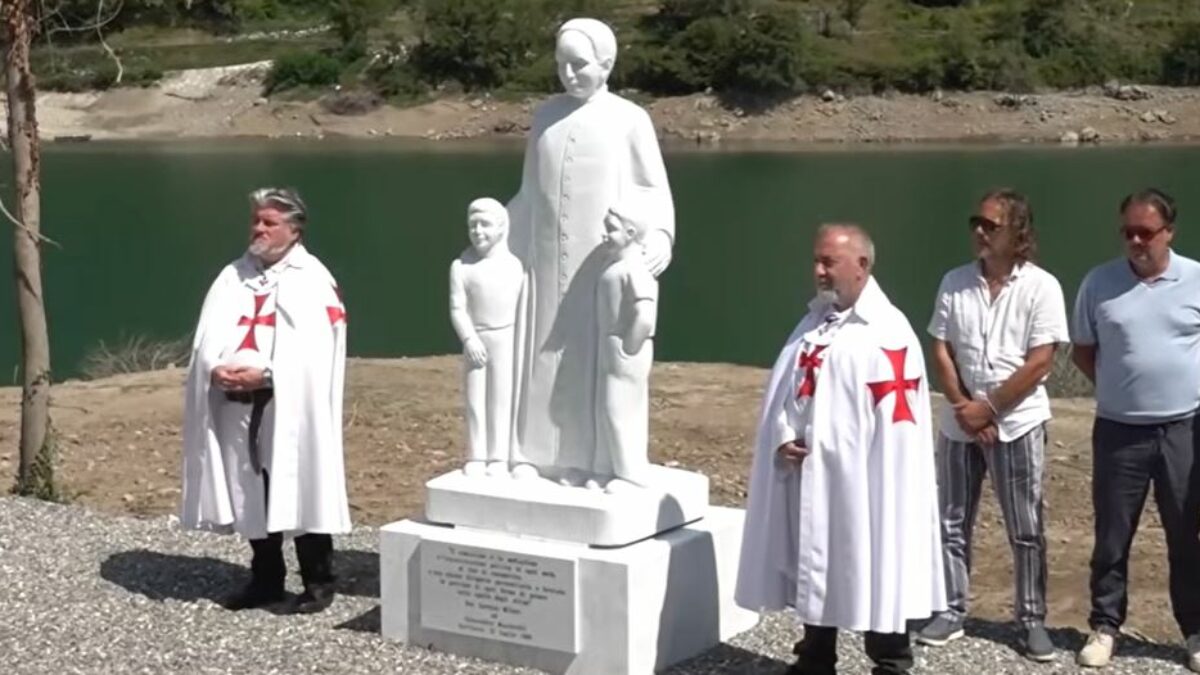
The court of Lucca will decide whether Don Milani, the prior of Barbiana, was truly anti-communist, following a controversy over the phrase disputed by former students inscribed on a plaque beneath his statue in the municipality of Vagli di Sotto. #DonMilani #VagliDiSotto #Anticomunismo (translated)

www.ilfattoquotidiano.it
Statua di don Milani, sarà un giudice a decidere se il priore di Barbiana era anticomunista. La battaglia sulla frase contestata dagli ex allievi
2427
Bigio 4d

You'll find me every day at Lucca 2026, Tora Edizioni stand 😉 #bigio #luccacomicsandgames #lucca60 #lucca2026 (translated)

449
Luciano Magaldi Sardella (PhD) 5d
MSN ITALIA - ANSA ITALIA: "THE TEATRO-EDICOLA FEATURED IN STANFORD UNIVERSITY'S REVIEW" SOURCE: https://www.msn.com/.../il-teatro-edicola-del.../ar-AA2cyMWR (ANSA) - FOGGIA, 19 SEPT - The idea of the newspaper-kiosk theatre in San Severo, in the province of Foggia, renamed the smallest theatre in the world, has become a case study for Stanford University. The article "The Six-Seat Revolution" by the Foggian researcher Luciano Magaldi, supervised by editor David V. Johnson, has been published in Ssir (an award-winning publication covering multi-sectoral solutions to global problems). The article is in the "Dispatches" section of the "Stanford Social Innovation Review". "It is a result that rewards our work - emphasises Francesco Gravino, artistic director of the theatre company Foyer 97 - . Requests to replicate the model have come from other areas of Italy, such as Lucca and Rome. We thought of creating a cultural activity from a place that was disused and in a state of abandonment. There ought to be a regional law that allows for the reconversion of these disused places in which numerous activities could be created. Veritable cultural outposts". Gravino and the actors of the company are preparing the new programme. "Next year our company will be 30 years old - he said - , an important milestone which we shall celebrate with some new developments". Six chairs, less than two square metres, performances every 15 minutes and a sold-out audience of young people and adults. An experiment that has aroused curiosity and interest in the world of entertainment as well. Between the end of July and the beginning of August, during the tour in Lucera (Foggia), Biagio Antonacci made a surprise stop at the newspaper-kiosk theatre and sang his Iris. "It was truly a wonderful encounter which captured the attention of passers-by," concludes Gravino. (ANSA). (translated)

1128
Luciano Magaldi Sardella (PhD) 5d
MSN ITALIA - ANSA ITALIA: THE THEATER-NEWSSTAND OF FOGGIA ENDS UP IN THE STANFORD UNIVERSITY MAGAZINE SOURCE: https://www.msn.com/.../the-theater-newsstand-of.../ar-AA2cyMWR (ANSA) - FOGGIA, SEPTEMBER 19 - The idea of the newsstand theater in San Severo, in the province of Foggia, nicknamed the smallest theater in the world, becomes a case study for Stanford University. An article titled "The Six-Seat Revolution," authored by Foggian researcher Luciano Magaldi and supervised by editor David V. Johnson, has been published in the Ssir journal (an award-winning publication covering multisectoral solutions to global problems). The article can be found in the "Dispatches" section of the "Stanford Social Innovation Review." "This is a result that rewards our hard work," emphasizes Francesco Gravino, artistic director of the Foyer 97 theater company. Requests to replicate the model have come from other areas of Italy, such as Lucca and Rome. We wanted to create a cultural activity in a place that has been disused and abandoned. There should be a regional law that allows the conversion of these abandoned places into venues for numerous activities. Real cultural outposts." Gravino and the company’s actors are preparing the new program lineup. "Next year our company will turn 30," he said, "an important milestone that we will celebrate with some new features." Six chairs, less than two square meters, reenactments of shows every 15 minutes, and sold-out attendance from both young and adults. An experiment that has sparked curiosity and interest even in the entertainment world. Between the end of July and the beginning of August, during the tour in Lucera (Foggia), Biagio Antonacci made a surprise stop at the newsstand theater and sang his song "Iris." "It was truly a wonderful encounter that drew the attention of passersby," concludes Gravino. (ANSA). (translated)

903
Luciano Magaldi Sardella (PhD) 2w

Mitico Magazine - The Teatro Edicola of San Severo: A Model of Cultural Revolution for Stanford University as Well Source: https://www.miticomagazine.com/territorio-e-sociale/teatro-edicola-di-san-severo-un-modello-di-rivoluzione-culturale-anche-per-la-stanford-university/ The Teatro Edicola in Via Tondi In San Severo, a singular metamorphosis has taken place: a newsstand abandoned for at least six years has found a new function and a new identity, transforming into one of the smallest and most unusual theatre stages in the world. An experiment born in the heart of the town which, in just a few months, has moved beyond local boundaries, attracting attention even overseas. It is called Teatro Edicola and it is a project conceived by the company Foyer '97, artistically directed by Francesco Gravino, which has brought the old newsstand in Via Tondi back to life through a formula that is both essential and surprising. Foyer '97 Foyer '97 APS was established as a formally constituted association active in the cultural sector in San Severo in 1997, born from the vocation of a group of actors, directors and theatre enthusiasts, with the aim of building a "living" and accessible theatre in the town. Over the years the company has developed a repertoire that includes texts from the classical tradition, contemporary dramaturgy, comedy and experimental projects, not limiting itself to the mere production of theatre shows, but also organising theatre courses and workshops and educational and cultural projects characterised by a strong inclusive ethos, particularly in schools. Foyer '97 does not always have a fixed artistic ensemble, but works with different performers and collaborators depending on the project; the only indispensable presence is that of Francesco Guido Gravino himself, actor, director and artistic director of the theatre company. The distinctive feature of Foyer '97 is certainly the value of social and cultural promotion attributed to theatre, the extremely close relationship with the audience and the search for a type of theatre outside conventional spaces, with cemeteries, trains, bell towers, and now a newsstand, as its backdrop. Six spectators, a few minutes and a minimal distance between stage and audience The project was launched on 27 March 2026, on the occasion of World Theatre Day, offering a theatrical experience built around a radical reduction of the conventional spaces and times of performance. The idea was born not only from the search for unconventional spaces, but also from "Edicola Fiore", the morning press review with a strongly ironic tone presented by Rosario Fiorello and Stefano Meloccaro, which was broadcast first only on Fiorello's social channels between 2011 and 2014, and then also on radio and television between 2016 and 2018. The review took its name from the diminutive of its founder, Fiore, and from the newsstand of a friend of Fiorello's in Via Flaminia Nuova in Rome, where the showman would meet early in the morning with a group of friends to read the newspapers. The San Severo newsstand was granted free of charge by its owner Pino Frau to the theatre group which, after obtaining temporary authorisation and institutional support from the Municipality of San Severo, refurbished it within two weeks at a cost of less than €3,000. Just six seats, a total surface area of 4 sq m, of which only 2 are for the stage area, less than a metre between actors and audience, a curtain, a lectern, two lights, performances lasting between 5 and 15 minutes, audience rotation every quarter of an hour: apparently minimal elements that end up subverting the usual relationship between stage and auditorium. Spectators, in fact, find themselves immersed in the stage action, in such proximity to the actors that every gesture, expression and word becomes immediately perceptible. In this way, theatre abandons its traditional spaces and insinuates itself into the everyday life of the street, becoming an intimate, concentrated and almost participatory experience. During the inaugural period admission was free with a subsequent voluntary donation from spectators; in the event of a more stable and longer-term concession, which could lead to seasonal theatre performances, the proposed ticket price would be €5. Audiences reward the experiment Foyer '97's gamble met with public interest right from the start: over 60 people attended the shows in a single afternoon, while the three days that inaugurated the season sold out. From a singular local experiment, the Teatro Edicola thus began to arouse curiosity even outside the province of Foggia, gradually transforming into a case of cultural and social interest, until it reached the American continent. From the province of Foggia to the "Stanford Social Innovation Review" The San Severo experience has now come under the international spotlight: in September 2026, the Stanford Social Innovation Review, an international journal and platform dedicated to social innovation published by the Stanford Center on Philanthropy and Civil Society at Stanford University in California, published on its website and in the Fall 2026 print edition the reportage "The Six-Seat Revolution", written by Dr Luciano Magaldi Sardella, independent journalist and researcher affiliated with the European Open University, and editorially supervised by deputy editor David V. Johnson. In the article, it is argued that the Teatro Edicola attracted attention overseas because the project concentrates cultural innovation, urban regeneration and proximity theatre into just a few square metres: starting from a real urban problem, it recovers an abandoned place with a modest investment, brings performance directly into public space and experiments with a much closer relationship between actors and spectators. From the point of view of theatrical representation, it also highlights how the format, based on micro-stories of five to twelve minutes, taken from great classics such as Goldoni, Chekhov, Ibsen, Euripides and Benni, and on audience rotation every fifteen minutes, transforms the physical limitations of the space into a precise dramaturgical choice, proving to be extremely innovative. All of this makes it possible to address some of the main critical issues in the sector: falling audience numbers, an exclusively elderly audience, reduced resources and distance from traditional cultural venues. The journal also highlights, however, the potential problems: economic sustainability, the need for stable institutional support and the difficulty of replicating the model, which is closely linked to the community and territory of San Severo. A model looking beyond San Severo Despite the difficulties, initial requests for information have already arrived from Lucca and Rome, where there is curiosity about the possibility of getting to know the model more closely and the steps needed to replicate it. The replicability formula, in fact, does not seem to require particularly costly infrastructure: an unused space, a targeted intervention, a cultural idea, in-depth knowledge of the surrounding area and a willingness to return that place to the community can be enough to trigger a new urban function. It is precisely in the disproportion between the modesty of the resources employed and the resonance generated by the initiative that perhaps the most original feature of the Teatro Edicola lies, certainly unique of its kind; there are, however, other examples in Italy of newsstands reused for other purposes: "Edicola 518", a twentieth-century kiosk abandoned in the centre of Perugia, now dedicated to independent publishing, art and cultural production; and in Rome itself, the abandoned newsstand in Piazza Testaccio used temporarily as a stage for a show by Fabio Morgan and the Erno newsstand in the Prati district, which almost every month offers a calendar of events, exhibitions, pop-ups and collaborations with artists and creative enterprises. Small revolutions, therefore, that tell stories of the reappropriation of urban spaces, of creativity and social innovation. And which, it is hoped, will take root in order to look ever further afield.

www.miticomagazine.com
Teatro Edicola di San Severo: un modello di rivoluzione culturale anche per la Stanford University
1032
Luciano Magaldi Sardella (PhD) 2w
Mitico Magazine - The Teatro Edicola of San Severo: A Model of Cultural Revolution for Stanford University as Well Source: https://www.miticomagazine.com/territorio-e-sociale/teatro-edicola-di-san-severo-un-modello-di-rivoluzione-culturale-anche-per-la-stanford-university/ The Teatro Edicola in Via Tondi In San Severo, a singular metamorphosis has taken place: a newsstand abandoned for at least six years has found a new function and a new identity, transforming into one of the smallest and most unusual theatre stages in the world. An experiment born in the heart of the town which, in just a few months, has moved beyond local boundaries, attracting attention even overseas. It is called Teatro Edicola and it is a project conceived by the company Foyer '97, artistically directed by Francesco Gravino, which has brought the old newsstand in Via Tondi back to life through a formula that is both essential and surprising. Foyer '97 Foyer '97 APS was established as a formally constituted association active in the cultural sector in San Severo in 1997, born from the vocation of a group of actors, directors and theatre enthusiasts, with the aim of building a "living" and accessible theatre in the town. Over the years the company has developed a repertoire that includes texts from the classical tradition, contemporary dramaturgy, comedy and experimental projects, not limiting itself to the mere production of theatre shows, but also organising theatre courses and workshops and educational and cultural projects characterised by a strong inclusive ethos, particularly in schools. Foyer '97 does not always have a fixed artistic ensemble, but works with different performers and collaborators depending on the project; the only indispensable presence is that of Francesco Guido Gravino himself, actor, director and artistic director of the theatre company. The distinctive feature of Foyer '97 is certainly the value of social and cultural promotion attributed to theatre, the extremely close relationship with the audience and the search for a type of theatre outside conventional spaces, with cemeteries, trains, bell towers, and now a newsstand, as its backdrop. Six spectators, a few minutes and a minimal distance between stage and audience The project was launched on 27 March 2026, on the occasion of World Theatre Day, offering a theatrical experience built around a radical reduction of the conventional spaces and times of performance. The idea was born not only from the search for unconventional spaces, but also from "Edicola Fiore", the morning press review with a strongly ironic tone presented by Rosario Fiorello and Stefano Meloccaro, which was broadcast first only on Fiorello's social channels between 2011 and 2014, and then also on radio and television between 2016 and 2018. The review took its name from the diminutive of its founder, Fiore, and from the newsstand of a friend of Fiorello's in Via Flaminia Nuova in Rome, where the showman would meet early in the morning with a group of friends to read the newspapers. The San Severo newsstand was granted free of charge by its owner Pino Frau to the theatre group which, after obtaining temporary authorisation and institutional support from the Municipality of San Severo, refurbished it within two weeks at a cost of less than €3,000. Just six seats, a total surface area of 4 sq m, of which only 2 are for the stage area, less than a metre between actors and audience, a curtain, a lectern, two lights, performances lasting between 5 and 15 minutes, audience rotation every quarter of an hour: apparently minimal elements that end up subverting the usual relationship between stage and auditorium. Spectators, in fact, find themselves immersed in the stage action, in such proximity to the actors that every gesture, expression and word becomes immediately perceptible. In this way, theatre abandons its traditional spaces and insinuates itself into the everyday life of the street, becoming an intimate, concentrated and almost participatory experience. During the inaugural period admission was free with a subsequent voluntary donation from spectators; in the event of a more stable and longer-term concession, which could lead to seasonal theatre performances, the proposed ticket price would be €5. Audiences reward the experiment Foyer '97's gamble met with public interest right from the start: over 60 people attended the shows in a single afternoon, while the three days that inaugurated the season sold out. From a singular local experiment, the Teatro Edicola thus began to arouse curiosity even outside the province of Foggia, gradually transforming into a case of cultural and social interest, until it reached the American continent. From the province of Foggia to the "Stanford Social Innovation Review" The San Severo experience has now come under the international spotlight: in September 2026, the Stanford Social Innovation Review, an international journal and platform dedicated to social innovation published by the Stanford Center on Philanthropy and Civil Society at Stanford University in California, published on its website and in the Fall 2026 print edition the reportage "The Six-Seat Revolution", written by Dr Luciano Magaldi Sardella, independent journalist and researcher affiliated with the European Open University, and editorially supervised by deputy editor David V. Johnson. In the article, it is argued that the Teatro Edicola attracted attention overseas because the project concentrates cultural innovation, urban regeneration and proximity theatre into just a few square metres: starting from a real urban problem, it recovers an abandoned place with a modest investment, brings performance directly into public space and experiments with a much closer relationship between actors and spectators. From the point of view of theatrical representation, it also highlights how the format, based on micro-stories of five to twelve minutes, taken from great classics such as Goldoni, Chekhov, Ibsen, Euripides and Benni, and on audience rotation every fifteen minutes, transforms the physical limitations of the space into a precise dramaturgical choice, proving to be extremely innovative. All of this makes it possible to address some of the main critical issues in the sector: falling audience numbers, an exclusively elderly audience, reduced resources and distance from traditional cultural venues. The journal also highlights, however, the potential problems: economic sustainability, the need for stable institutional support and the difficulty of replicating the model, which is closely linked to the community and territory of San Severo. A model looking beyond San Severo Despite the difficulties, initial requests for information have already arrived from Lucca and Rome, where there is curiosity about the possibility of getting to know the model more closely and the steps needed to replicate it. The replicability formula, in fact, does not seem to require particularly costly infrastructure: an unused space, a targeted intervention, a cultural idea, in-depth knowledge of the surrounding area and a willingness to return that place to the community can be enough to trigger a new urban function. It is precisely in the disproportion between the modesty of the resources employed and the resonance generated by the initiative that perhaps the most original feature of the Teatro Edicola lies, certainly unique of its kind; there are, however, other examples in Italy of newsstands reused for other purposes: "Edicola 518", a twentieth-century kiosk abandoned in the centre of Perugia, now dedicated to independent publishing, art and cultural production; and in Rome itself, the abandoned newsstand in Piazza Testaccio used temporarily as a stage for a show by Fabio Morgan and the Erno newsstand in the Prati district, which almost every month offers a calendar of events, exhibitions, pop-ups and collaborations with artists and creative enterprises. Small revolutions, therefore, that tell stories of the reappropriation of urban spaces, of creativity and social innovation. And which, it is hoped, will take root in order to look ever further afield.

www.miticomagazine.com
Teatro Edicola di San Severo: un modello di rivoluzione culturale anche per la Stanford University
1032
Luciano Magaldi Sardella (PhD) 2w
Mitico Magazine - Teatro Edicola di San Severo: un Modello di Rivoluzione Culturale anche per la Stanford University Source: https://www.miticomagazine.com/territorio-e-sociale/teatro-edicola-di-san-severo-un-modello-di-rivoluzione-culturale-anche-per-la-stanford-university/ Il Teatro Edicola di via Tondi A San Severo è avvenuta una singolare metamorfosi: un'edicola abbandonata da almeno sei anni ha ritrovato una funzione e una nuova identità, trasformandosi in uno dei palcoscenici teatrali più piccoli ed insoliti al mondo. Un esperimento nato nel cuore della città che, in pochi mesi, ha oltrepassato i confini locali, attirando l'attenzione anche oltreoceano. Si chiama Teatro Edicola ed è il progetto ideato dalla compagnia Foyer '97, diretta artisticamente da Francesco Gravino, che ha restituito vita alla vecchia edicola di via Tondi attraverso una formula essenziale e al tempo stesso sorprendente. Foyer '97 La Foyer '97 APS nasce come realtà associativa formalmente costituita e attiva nel settore culturale a San Severo nel 1997, dalla vocazione di un gruppo di attori, registi ed appassionati di teatro, con l'obiettivo di costruirne uno "vivo" e accessibile in città. Nel corso degli anni la compagnia ha sviluppato un repertorio che comprende testi della tradizione classica, drammaturgia contemporanea, commedia e progetti sperimentali, non limitandosi però alla semplice produzione di spettacoli teatrali, bensì anche all'organizzazione di corsi e laboratori teatrali e di progetti educativi e culturali caratterizzati da una forte impronta inclusiva, anche e soprattutto nelle scuole. La Foyer '97 non presenta sempre un organico artistico fisso, ma lavora con interpreti e collaboratori diversi a seconda dei progetti; unica presenza imprescindibile è quella, appunto, di Francesco Guido Gravino, attore, regista e direttore artistico della compagnia teatrale. La cifra distintiva di Foyer '97 è data sicuramente dalla valenza di promozione sociale e culturale attribuita al teatro, dal rapporto estremamente ravvicinato con il pubblico e dalla ricerca di un tipo di teatro fuori dagli spazi convenzionali, con cimiteri, treni, campanili, ed ora un'edicola, a fargli da sfondo. Sei spettatori, pochi minuti e una distanza minima tra palco e pubblico Il progetto ha preso il via il 27 marzo 2026, in occasione della Giornata Mondiale del Teatro, proponendo un'esperienza teatrale costruita attorno a una radicale riduzione degli spazi e dei tempi convenzionali dello spettacolo. L'idea nasce non soltanto dalla ricerca di spazi anticonvenzionali, bensì anche da "Edicola Fiore", la rassegna stampa mattutina dal taglio fortemente ironico condotta da Rosario Fiorello e Stefano Meloccaro, andata in onda prima solo sui canali social di Fiorello, tra il 2011 ed il 2014, e poi anche via radio e televisione tra il 2016 ed il 2018. Tale rassegna prendeva il nome dal diminutivo del suo fondatore, appunto Fiore, e dall'edicola di un amico di Fiorello in via Flaminia Nuova a Roma, dove lo showman si ritrovava la mattina presto con un gruppo di amici per leggere i giornali. L'edicola sanseverese è stata concessa gratuitamente dal proprietario Pino Frau al gruppo teatrale che, dopo aver ottenuto l'autorizzazione temporanea ed il supporto istituzionale da parte del Comune di San Severo, ha provveduto a ristrutturarla nell'arco di due settimane ad un costo inferiore ai 3000 euro. Soltanto sei posti a sedere, una superficie totale di 4 m2, di cui solo 2 destinati allo spazio scenico, meno di un metro di distanza tra attori e pubblico, un sipario, un leggio, due luci, rappresentazioni della durata compresa tra i 5 ed i 15 minuti, rotazione del pubblico ogni quarto d'ora: elementi apparentemente minimali che finiscono, però, per sovvertire il consueto rapporto fra palcoscenico e platea. Gli spettatori, infatti, si trovano immersi nell'azione scenica, in una prossimità con gli attori che rende ogni gesto, espressione e parola immediatamente percepibile. Il teatro, in questo modo, abbandona i suoi spazi tradizionali e si insinua nella quotidianità della strada, diventando un'esperienza intima, raccolta e quasi partecipativa. Durante il periodo inaugurale l'ingresso è stato gratuito con successiva offerta libera da parte degli spettatori; in caso di una concessione più stabile e lunga, che possa portare proprio a rappresentazioni teatrali stagionali, il costo del biglietto proposto sarebbe di 5 €. Il pubblico premia l'esperimento La scommessa di Foyer '97 ha incontrato sin dalle prime battute l'interesse del pubblico: oltre 60 persone hanno assistito agli spettacoli in un solo pomeriggio, mentre le tre giornate che hanno inaugurato la stagione hanno fatto registrare il tutto esaurito. Da singolare sperimentazione territoriale, il Teatro Edicola ha così cominciato a suscitare curiosità anche al di fuori della provincia di Foggia, trasformandosi progressivamente in un caso di interesse culturale e sociale, fino a raggiungere il continente americano. Dalla provincia di Foggia alla "Stanford Social Innovation Review" L'esperienza sanseverese, difatti, è arrivata ora sotto i riflettori internazionali: a settembre 2026, la Stanford Social Innovation Review, rivista e piattaforma internazionale dedicata all'innovazione sociale e pubblicata dallo Stanford Center on Philanthropy and Civil Society, all'interno della californiana Stanford University, ha pubblicato sul proprio sito e nell'edizione cartacea Fall 2026 il reportage "The Six-Seat Revolution", firmato dal dr. Luciano Magaldi Sardella, giornalista indipendente e ricercatore affiliato alla European Open University, e seguito editorialmente dal deputy editor David V. Johnson. Nell'articolo, si sostiene che il Teatro Edicola ha attirato l'attenzione oltreoceano perché il progetto concentra in pochi metri quadrati innovazione culturale, rigenerazione urbana e teatro di prossimità: partendo da un problema urbano reale, recupera un luogo abbandonato con un investimento contenuto, porta lo spettacolo direttamente nello spazio pubblico e sperimenta un rapporto molto più ravvicinato tra attori e spettatori. Dal punto di vista della rappresentazione teatrale, inoltre, si evidenzia come il format, fondato su microstorie di cinque-dodici minuti, estrapolate da grandi classici come Goldoni, Čechov, Ibsen, Euripide e Benni, e sulla rotazione degli spettatori ogni quarto d'ora, trasformi i limiti fisici dello spazio in una precisa scelta drammaturgica, rivelandosi estremamente innovativo. Tutto questo permette di far fronte ad alcune delle principali criticità del settore: calo degli spettatori, fasce di pubblico esclusivamente senili, riduzione delle risorse e distanza dai luoghi culturali tradizionali. La rivista ne evidenzia però anche le eventuali problematiche: la sostenibilità economica, la necessità di un sostegno istituzionale stabile e la difficoltà nel replicare il modello, strettamente legato alla comunità e al territorio di San Severo. Un modello che guarda oltre San Severo Nonostante le difficoltà, prime richieste di informazioni sono già arrivate da Lucca e Roma, dove si guarda con curiosità alla possibilità di conoscere più da vicino il modello e le modalità necessarie per riproporlo. La formula di replicabilità, infatti, non sembra richiedere infrastrutture particolarmente onerose: uno spazio inutilizzato, un intervento mirato, un'idea culturale, la conoscenza approfondita del territorio circostante e la disponibilità a restituire quel luogo alla collettività possono essere sufficienti per innescare una nuova funzione urbana. È proprio nella sproporzione fra la modestia delle risorse impiegate e l'eco generata dall'iniziativa che si trova forse la cifra più originale del Teatro Edicola, sicuramente unico nel suo genere; non mancano però, in Italia, esempi di altre edicole riutilizzate per altri fini: "Edicola 518", chiosco novecentesco abbandonato nel centro di Perugia, oggi dedicato all'editoria indipendente, all'arte e alla produzione culturale; e nella stessa Roma, l'edicola abbandonata di piazza Testaccio usata temporaneamente come palcoscenico per uno spettacolo di Fabio Morgan e l'edicola Erno del quartiere Prati, che quasi ogni mese propone un calendario di eventi, mostre, pop-up e collaborazioni con artisti e realtà creative. Piccole rivoluzioni, quindi, che raccontano storie di riappropriazione degli spazi urbani, di creatività e di innovazione sociale. E che, si spera, mettano radici per poter guardare sempre più lontano.

www.miticomagazine.com
Teatro Edicola di San Severo: un modello di rivoluzione culturale anche per la Stanford University
803
NapoliHub 2w

❗️#Napoli, Lorenzo #Lucca è stato totalmente bocciato da Massimiliano #Allegri: l’allenatore sta pensando di utilizzare #Vergara e #Neres da falso nueve per fare riposare #Hojlund. @mattinodinapoli #Napoli #Calcio #SerieA

15257
ANSA.it 2w

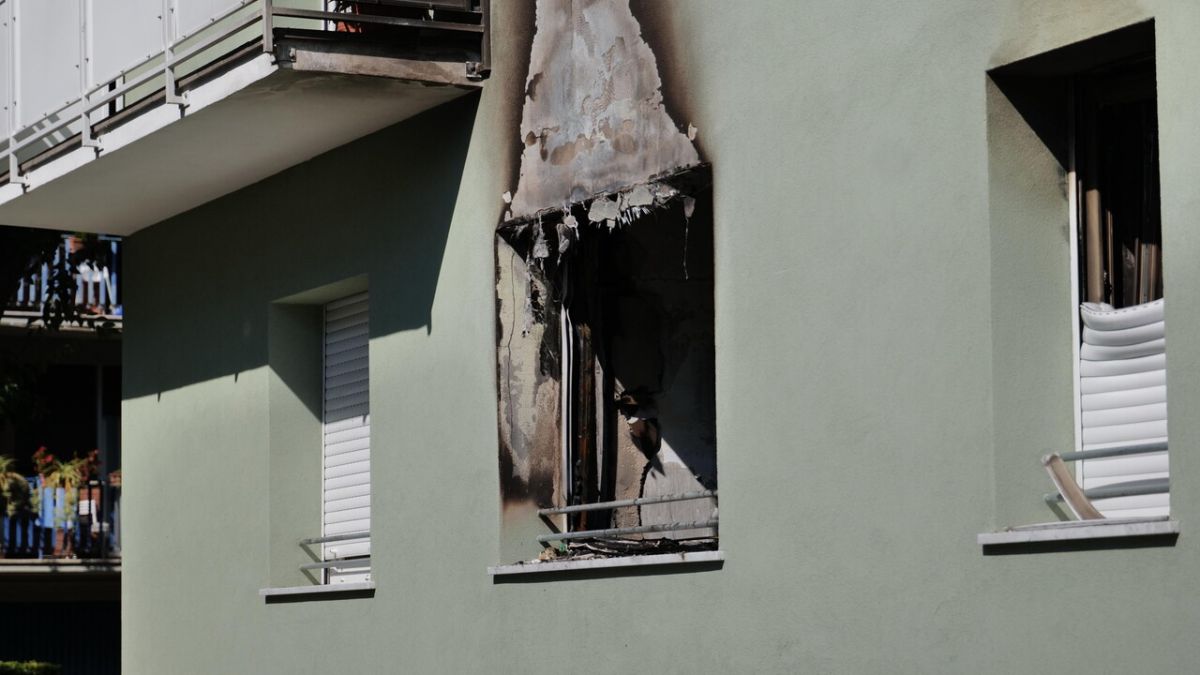
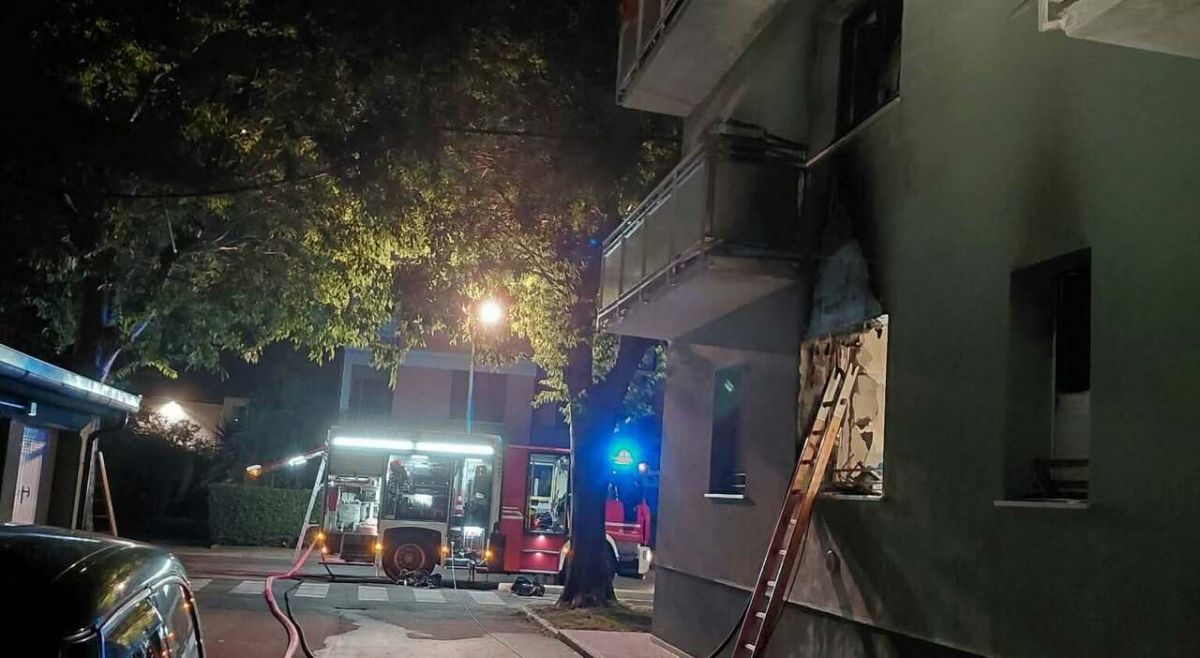
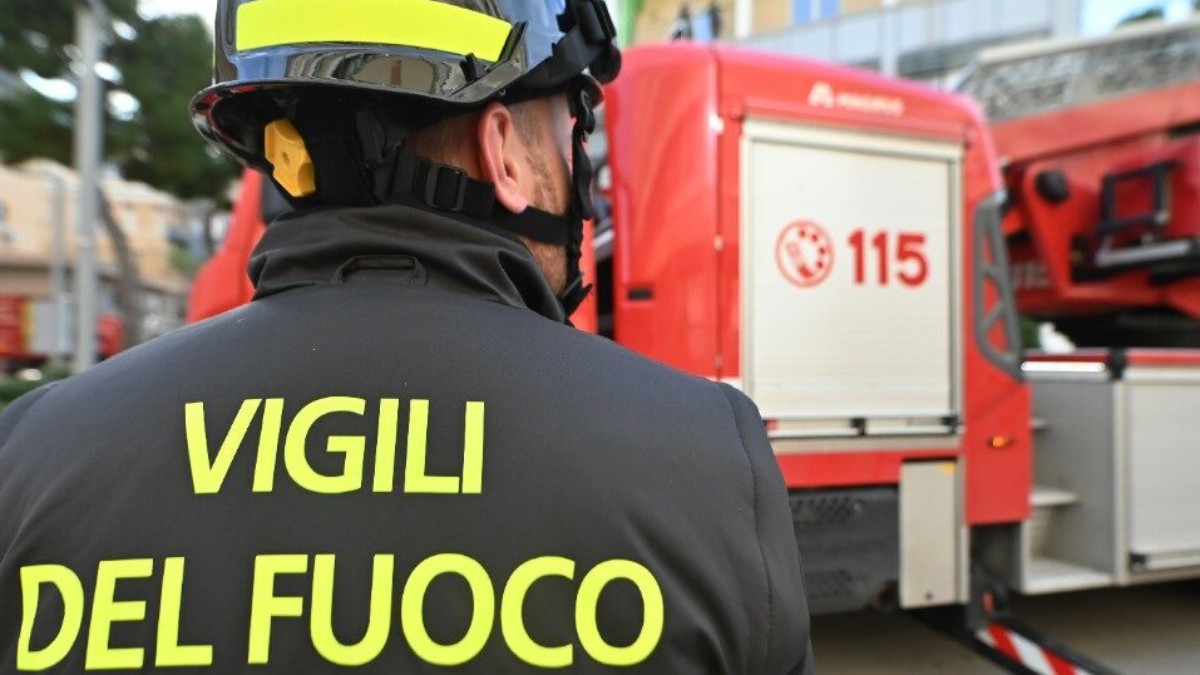
Due persone, un uomo di 65 anni e una donna di 73, sono morte in un incendio avvenuto in un palazzo di Lucca, causando anche 13 feriti, tra cui alcuni bambini, mentre le cause dell'incendio sono ancora in fase di accertamento da parte dei vigili del fuoco. #IncendioLucca #VittimeIncendio #EmergenzaSociale

www.ansa.it
Incendio a Lucca, 2 morti e 13 feriti in un palazzo
1614
Mario Pardini 2w

«Nella notte un grave incendio ha colpito un edificio residenziale in località San Vito, all’angolo tra Via Bertini e Via Corsica. Il bilancio purtroppo è drammatico: due persone hanno perso la vita. Alle loro famiglie e ai loro cari rivolgo il mio pensiero in questo momento di profondo dolore. Diverse persone sono rimaste ferite e sono state trasportate nei presidi ospedalieri di Lucca, Versilia e Pisa. Alla donna trasferita in codice rosso presso l’ospedale di Pisa e a tutti i feriti, compresi i bambini coinvolti, rivolgo l’augurio di una pronta guarigione. I nostri uffici dei Servizi Sociali si sono immediatamente attivati per garantire supporto e assistenza alle famiglie evacuate. In tutto sono stati impiegati nove mezzi di soccorso. Il loro intervento ha consentito di affrontare e gestire una situazione estremamente complessa»Ha scritto sui social il primo cittadino di Lucca, Mario Pardini. #IncendioLucca #Emergenza #Tragedia

Lucca, incendio nella notte in un palazzo: due morti e 13 feriti. Tra loro anche tre bambini. Il sindaco: «Bilancio drammatico»
www.ilmessaggero.it
1614
Il Messaggero 2w

Un incendio in un palazzo a Lucca ha causato la morte di due persone e ha ferito 13, tra cui tre bambini, con il sindaco che ha descritto la situazione come un bilancio drammatico. #IncendioLucca #Emergenza #Tragedia

www.ilmessaggero.it
Lucca, incendio nella notte in un palazzo: due morti e 13 feriti. Tra loro anche tre bambini. Il sindaco: «Bilancio drammatico»
1614
Il Fatto Quotidiano 2w

Un grave incendio in una palazzina a Lucca ha causato la morte di due persone e ha lasciato 13 feriti, tra cui diversi bambini, mentre le cause dell'incidente rimangono sconosciute. #IncendioLucca #Cronaca #Emergenza

www.ilfattoquotidiano.it
Fiamme in una palazzina a Lucca, morte due persone e 13 feriti: l’incidente nella zona di San Vito
1614
NapoliHub 3w

❌ #Napoli, Noa #Lang e #Lucca saranno mandati di nuovo in prestito a gennaio, il club azzurro ha anche deciso di non rinnovare il contratto di Kevin #DeBruyne, sarà addio a fine stagione. @tuttosport #Calcio #Napoli #Calciomercato

13512
Luciano Magaldi Sardella (PhD) 3w

"RTL 102.5": THE KIOSK-THEATRE FEATURED IN STANFORD UNIVERSITY'S REVIEW SOURCE: https://l.facebook.com/l.php?u=https%3A%2F%2Fwww.instagram.com%2Fp%2FDdeEUnXiKMT%2F%3Ffbclid%3DIwcGRvZgFleHRuA2FlbQIxMABicmlkETB1OU02c2NZUzNkeWVpb2ZJc3J0YwZhcHBfaWQQMjIyMDM5MTc4ODIwMDg5MgABHhWTgrXrSOqSpbqd0NlmkWW4gNxVEDa-2BmQGWsVUhQQoqC4_J55glcV6Fzu_aem_zWbIIMpp66X9FxYrdVcTmg&h=AUDX8FniZvleWSVlN4ngwxrSLu1IeEzRJGb1DHFgsznthttLc9QR-ahTowPSBcj7rf_yYePu1vaPUXc34NqwzN3m-FtFuy-KM33ftfPsEeZaaYwWOXktve-A-NW0TY9CLHcritIH__2rbzUD5w&__tn__=-UK-R&c[0]=AUCpozNMTPma15kUqGpGsKv6GwFtuWcQmfK3Oj0VtFFsM0cj9rhdH6l9Y-6SLIz8vG2VBro_6pSGTiplv6br8YJx7ZZQnAPeuivIBI0eX8NPUol4JadoLFkhbxd949RZixQc7l2aWhHEkWT6kEVC92069Lsd2AymBya1pXHVw4UabsmzYz1s SAN SEVERO (FG) - The concept of the kiosk-theatre of San Severo, in the province of Foggia, dubbed the smallest theatre in the world, has become a case study for Stanford University. The article The "Six-Seat Revolution", by the Foggia-born researcher Luciano Magaldi Sardella, supervised by Deputy Editor David V. Johnson, has been published in "Stanford Social Innovation Review (SSIR)" - the multi-award-winning publication covering cross-sector solutions to global problems. The article appears in the "Dispatches" section of the "Stanford Social Innovation Review". "This is an achievement that rewards our work," emphasizes Francesco Gravino, Artistic Director of the theatre company Foyer 97. "Requests to replicate the model have come from other parts of Italy, such as Lucca and Rome. We thought of creating a cultural activity from a place that was disused and in a state of abandonment. There ought to be a regional law that makes it possible to convert these disused premises into places where numerous activities can be brought to life. Genuine cultural outposts." Gravino and the company's actors are preparing the new programme. "Next year our company will be 30 years old," he said, "an important milestone that we shall celebrate with a number of new developments." Six chairs, less than two square metres, performances repeated every 15 minutes, and sold-out audiences of young people and adults. An experiment that has aroused curiosity and interest in the world of entertainment as well. Between late July and early August, during his tour in Lucera (Foggia), Biagio Antonacci made a surprise stop at the kiosk-theatre and sang his Iris. "It was truly a wonderful encounter that attracted the attention of passers-by," Gravino concludes.

1158
Luciano Magaldi Sardella (PhD) 3w

"RTL 102.5": IL TEATRO-EDICOLA SBARCA SULLA RIVISTA DELLA STANFORD UNIVERSITY SOURCE: https://www.instagram.com/p/DdeEUnXiKMT/?fbclid=IwY2xjawUcx8FwZG9mAWV4dG4DYWVtAjEwAGJyaWQRMHU5TTZzY1lTM2R5ZWlvZklzcnRjBmFwcF9pZBAyMjIwMzkxNzg4MjAwODkyAAEeFZOCtetI6pKlup3Q2WaRZbiA3FUQNr7YGZAZaxVSFBCioLj8nnmCVxXoXO4_aem_zWbIIMpp66X9FxYrdVcTmg SAN SEVERO (FG) - L'idea del teatro edicola di San Severo, in provincia di Foggia, ribattezzato il teatro più piccolo del mondo, diventa un caso di studio per la Stanford University. È stato pubblicato sulla rivista "Stanford Social Innovation Review (SSIR)" (pubblicazione pluripremiata che copre soluzioni multisettoriali ai problemi globali), l'articolo The "Six-Seat Revolution" a cura del ricercatore foggiano Luciano Magaldi Sardella, supervisionato dal Deputy Editor David V. Johnson. L'articolo si trova nella sezione "Dispatches" della "Stanford Social Innovation Review". "È un risultato che premia il nostro lavoro lavoro - sottolinea Francesco Gravino, direttore artistico della compagnia teatrale Foyer 97 -. Richieste di replicazione del modello sono giunte da altre zone d'Italia, come Lucca e Roma. Abbiamo pensato di dar vita ad un'attività culturale da un luogo ormai dismesso ed in stato di abbandono. Ci vorrebbe una legge regionale che dia la possibilità di riconversione di questi luoghi dismessi in cui poter dar vita a numerose attività. Dei veri e propri presidi culturali". Gravino e gli attori della compagnia stanno preparando la nuova programmazione. "Il prossimo anno la nostra compagnia compirà 30 anni - ha detto -, un appuntamento importante che festeggeremo con alcune novità". Sei sedie, meno di due metri quadrati, repliche degli spettacoli ogni 15 minuti ed una partecipazione di pubblico da sold out da parte di giovani e adulti. Un esperimento che ha suscitato curiosità ed interesse anche nel mondo dello spettacolo. Tra fine luglio e gli inizi di agosto, durante il tour a Lucera (Foggia), Biagio Antonacci ha fatto tappa a sorpresa nel teatro edicola e ha cantato la sua Iris. "È stato davvero un bellissimo incontro che ha calamitato l'attenzione dei passanti", conclude Gravino.

926
Luciano Magaldi Sardella (PhD) 3w

"RAI NEWS - TGR PUGLIA": IL TEATRO-EDICOLA SBARCA SULLA RIVISTA DELLA STANFORD UNIVERSITY AD OTTOBRE RIPRENDE L'ATTIVITA' DEL "TEATRO PIU'PICCOLO DEL MONDO": SOLO SEI POSTI A SEDERE IN PLATEA SOURCE: https://www.rainews.it/tgr/puglia/articoli/2026/09/il-teatro-edicola-del-foggiano-finisce-sulla-rivista-della-stanford-university-1fa44018-e792-4bbe-b469-8ceb4dde825f.html?fbclid=IwY2xjawUcwCBwZG9mAWV4dG4DYWVtAjEwAGJyaWQRMHU5TTZzY1lTM2R5ZWlvZklzcnRjBmFwcF9pZBAyMjIwMzkxNzg4MjAwODkyAAEelpEveMXxHc75OodtKURTOb7_dYFwptE4XAI383r3zEBrPraa6XJ6Y6lrnnw_aem_PoiRczCh7boFLCQKIPfoZg SAN SEVERO (FG) - L' idea del teatro edicola di San Severo, in provincia di Foggia, noto come il più piccolo del mondo, diventa un caso di studio per la Stanford University. Pubblicato sulla rivista "Stanford Social Innovation Review (SSIR)" (che copre soluzioni multisettoriali ai problemi globali), l'articolo "The Six-Seat Revolution" a cura del ricercatore foggiano Luciano Magaldi Sardella, supervisionato dall'editor David V. Johnson. L'articolo si trova nella sezione "Dispatches" della "Stanford Social Innovation Review". "Un risultato che premia il nostro lavoro lavoro - sottolinea Francesco Gravino, direttore artistico della compagnia teatrale Foyer 97 -. Richieste di replicazione del modello sono giunte da altre zone d'Italia, come Lucca e Roma. Abbiamo pensato di dar vita ad un'attività culturale da un luogo ormai dismesso ed in stato di abbandono. Ci vorrebbe una legge regionale che dia la possibilità di riconversione di questi luoghi dismessi in cui poter dar vita a numerose attività. Dei veri e propri presidi culturali". Gravino e gli attori della compagnia stanno preparando la nuova programmazione. "Il prossimo anno la nostra compagnia compirà 30 anni - ha detto -, un appuntamento importante che festeggeremo con alcune novità". Sei sedie, meno di due metri quadrati, repliche degli spettacoli ogni 15 minuti ed una partecipazione di pubblico da sold out da parte di giovani e adulti. Un esperimento che ha suscitato curiosità ed interesse anche nel mondo dello spettacolo. Tra fine luglio e gli inizi di agosto, durante il tour a Lucera, Biagio Antonacci ha fatto tappa a sorpresa nel teatro edicola e ha cantato la sua Iris. "È stato davvero un bellissimo incontro che ha calamitato l'attenzione dei passanti", racconta Gravino.

www.rainews.it
Il Teatro-edicola sbarca sulla rivista della Stanford University
1158
Luciano Magaldi Sardella (PhD) 3w

"RAINEWS - TGR PUGLIA": THE NEWSSTAND THEATRE FROM FOGGIA FEATURED IN STANFORD UNIVERSITY'S REVIEW ACTIVITY OF THE WORLD'S SMALLEST THEATRE TO RESUME IN OCTOBER SOURCE: https://www.rainews.it/tgr/puglia/articoli/2026/09/il-teatro-edicola-del-foggiano-finisce-sulla-rivista-della-stanford-university-1fa44018-e792-4bbe-b469-8ceb4dde825f.html?fbclid=IwY2xjawUcvbdwZG9mAWV4dG4DYWVtAjEwAGJyaWQRMHU5TTZzY1lTM2R5ZWlvZklzcnRjBmFwcF9pZBAyMjIwMzkxNzg4MjAwODkyAAEeJu765F3ygz0yxQ1zf6z27DM21yeKjBzL3eUBCVg0fk0ULdT4tnicXACUltw_aem_RkZlY9URH16w3f7zdL3AOQ SAN SEVERO (FG) - The idea of the newsstand theatre in San Severo, in the province of Foggia, dubbed the smallest theatre in the world, has become a case study for Stanford University. The article "The Six-Seat Revolution", by the researcher from Orta Nova in the Province of Foggia, Luciano Magaldi Sardella, supervised by editor David V. Johnson, has been published in "Stanford Social Innovation Review (SSIR)" - an award-winning publication covering cross-sectoral solutions to global problems. The piece appears in the "Dispatches" section of the "Stanford Social Innovation Review". The article describes how a rusted newsstand in San Severo was transformed into a radically new theatrical experience. "It is an achievement that rewards our work," emphasizes Francesco Gravino, artistic director of the theatre company Foyer 97. "Requests to replicate the model have come from other parts of Italy, such as Lucca and Rome. We thought of creating a cultural activity from a place that had long been disused and abandoned." "What we need is a regional law that makes it possible to repurpose these disused spaces where numerous activities could be organized. Genuine cultural outposts." Gravino and the actors of the company are preparing the new programme. "Next year our company will be 30 years old," he said, "an important milestone which we shall celebrate with some new initiatives." Six chairs, less than two square metres, performances repeated every 15 minutes, and sold-out audiences of young people and adults. An experiment that has aroused curiosity and interest in the world of entertainment as well. Between late July and early August, during the tour in Lucera (Foggia), Biagio Antonacci made a surprise stop at the newsstand theatre and sang his Iris. "It was truly a wonderful encounter that captured the attention of passers-by," Gravino concludes.

www.rainews.it
Il Teatro-edicola sbarca sulla rivista della Stanford University
926
Antonio Lobotka ♞ 3w

Favasuli che è costretto quasi a dribblare Lucca che non logicamente si piazza davanti a lui mentre aveva un buono spazio per calciare. Vergara che è costretto a guardare lo scempio dalla panchina. QUESTI SIAMO. #calcio #sport #futbol

23617