WRLD

Search

#Recruiting
Krzysztof Graj 18h

Operation Dark Clark – Russia built a real organisation around a false identity Most influence operations create fake people, fake websites or fake news stories. Operation Dark Clark appears to have gone considerably further: Russian operators built what looked like a functioning research organisation in Latin America, employed real people to produce genuine research and concealed from those employees who was ultimately directing their work. OpenAI disclosed the operation on 8 October after banning a cluster of accounts originating in Russia. The actors used ChatGPT while targeting countries across Latin America, principally to damage Ukraine’s reputation, manipulate domestic political debates and manage a self-described research organisation called the Social Research Center, or SRC. OpenAI assessed Dark Clark as Category Five on the six-level Breakout Scale, the first operation it has disrupted since beginning its influence-operation reporting to reach that level. A front organisation with real employees The SRC presented itself as a research platform studying subjects including Latin America’s relationship with India and the Indian diaspora. OpenAI found more than 60 articles on its website, most of them apparently original rather than plagiarised. Internal reports produced by the Russian operators discussed hiring, dismissals, salary scales, staffing and unfinished research projects, strongly suggesting that the operators controlled the organisation rather than merely collaborating with it. At the centre of the structure was “Mia Clark”, a fictitious identity reportedly used to manage social-media activity and communicate with staff. According to OpenAI, the available evidence indicates that employees working for SRC in Latin America were probably unaware that the organisation was being directed by Russian actors. They interviewed experts, conducted research and wrote papers in what appears to have been good faith. The deception therefore existed primarily at the organisational level: much of the work was real, but the identity and strategic purpose of the institution commissioning it were not. OpenAI This is one reason Dark Clark differs from the familiar model of a troll farm. A reader encountering an SRC paper might be looking at research genuinely written by a Latin American employee based on genuine interviews. The manipulation lies further upstream, in who built the institution, selected its direction and controlled its infrastructure. From forged emails to real events The operation also appears to have attempted something more ambitious than online persuasion: inducing real people to produce events that could later be turned into propaganda. In May 2026, according to the operators’ internal reports, they created an email address impersonating Lima’s regional education authorities and instructed schools to organise activities about Ukraine for a cultural-diversity event. The instructions included references to Stepan Bandera, whose historical legacy remains particularly contentious in Poland and parts of Eastern Europe. The operators claimed that some schools complied, replied to the false address and sent photographs of the events. OpenAI could not independently verify every claim contained in the operators’ reports. It did, however, find Peruvian reporting matching the story, followed by publications in Poland and an English-language outlet in Hungary. Some coverage included comments from a Polish MEP calling for people displaying what he described as anti-Polish attitudes to be declared persona non grata. OpenAI therefore concluded that the fabricated starting point appears to have entered genuine political debate across national borders. The mechanism is unusually effective because the final photographs need not themselves be fabricated. If people can be tricked into staging a real event on the basis of a forged instruction, the operation creates authentic visual evidence of something that was artificially initiated. The same method in Ecuador and Bolivia Dark Clark’s internal reports describe similar efforts elsewhere. In Ecuador, the operators claimed they used a fake education email to encourage schools to stage ceremonies involving President Daniel Noboa and Erik Prince, the former head of Blackwater. Ecuadorian media subsequently covered a matching controversy, and the country’s education minister issued a detailed denial. Other Ecuador-focused material included fabricated audio attributed to Ukraine’s consul and a false television report alleging that Noboa’s government was recruiting Ecuadorians to fight in Ukraine. Local fact-checker Lupa found that the supposed Teleamazonas report had never been broadcast, that images had been taken from Instagram, that the audio was AI-generated and that a company named in a supposed recruitment contract did not exist in Ecuador’s corporate registry. In Bolivia, an internal report described a fake audio recording supposedly made by an employee of state water company EPSAS during anti-government protests. It claimed that water supplies to La Paz would be cut and a state of emergency declared. The allegation produced a fact-check and an official denial. OpenAI says the operators explicitly described their objective as worsening the political crisis surrounding the demonstrations. Possible links to the post-Wagner influence machine Dark Clark did not emerge in a vacuum. The operators repeatedly asked ChatGPT about Politology and La Compania, names associated in previous investigations with the Russian influence apparatus that developed from structures once connected to Yevgeny Prigozhin. Forbidden Stories and its partners obtained 1,431 pages of internal documents describing a network known as “The Company”, which they reported had grown to almost 100 operatives and was conducting influence projects across roughly 30 Global South countries. Their investigation found that the organisation moved under the supervision of Russia’s Foreign Intelligence Service, the SVR, after Prigozhin’s death. Its documented budget for ten months of activity in 2024 was approximately €7.3 million. Two older Argentina campaigns claimed in Dark Clark’s internal reports — a false story about Javier Milei buying Cartier collars for his dogs and the staging of anti-Milei graffiti — had already been independently attributed by investigative journalists to Politology/La Compania. That is significant corroboration, but it is not enough to prove that every Dark Clark activity was run by the same organisational structure. AI was the back office, not the mastermind Perhaps the most important finding concerns artificial intelligence itself. In most documented cases, the Russians were not using ChatGPT to generate the propaganda seen by the public. Their principal use was administrative: drafting reports for an unknown superior, summarising operations, translating material and recording the supposed success of campaigns. Those reports also expose a weakness in the operators’ own measurement. OpenAI found instances in which they tried to claim credit for developments they had probably not caused, suggesting that they were not only attempting to manipulate Latin American audiences but also presenting an inflated picture of their effectiveness to whoever was supervising them. Dark Clark nevertheless broke further into the real world than any influence operation OpenAI had previously disrupted. Under the Brookings framework, Category Five means that an operation has escaped its original network and been amplified by high-profile individuals such as politicians. Dark Clark crossed that threshold because fabricated narratives appear to have provoked governmental denials, mainstream reporting and political comment in several countries. Its most important innovation was therefore not a particularly convincing deepfake. It was the construction of a partly genuine institution around a concealed foreign controller. The research could be real. The employees could be real. The interviews could be real. What was false was who they were ultimately working for. Sources OpenAI — Disrupting AI-enabled “false front” operations https://openai.com/index/disrupting-ai-enabled-false-front-operations/ Forbidden Stories — Propaganda Machine: Russia’s foreign influence strategy across three continents https://forbiddenstories.org/propaganda-machine-secret-documents-reveal-russias-foreign-influence-strategy-across-three-continents/ Forbidden Stories — Ghost Journalists, Cash and Kremlin Scripts: Argentina https://forbiddenstories.org/ghost-journalists-cash-and-kremlin-scripts-how-russian-operatives-tried-to-influence-argentinian-media/ openDemocracy — Russian influence operation in Bolivia https://www.opendemocracy.net/en/russia-bolivia-south-america-putin-evo-morales-wagner-prigozhin-covert-operations-propaganda-disinformation-foreign-interference/ Lupa Media — Fake Teleamazonas report about recruiting Ecuadorians for Ukraine https://lupa.com.ec/verificaciones/noboa-mercenarios-ucrania-ecuador/ Brookings Institution — The Breakout Scale https://www.brookings.edu/articles/the-breakout-scale-measuring-the-impact-of-influence-operations/ Keywords: #DISINFORMED #Episode17 #OperationDarkClark #DarkClark #Russia #LatinAmerica #RussianInfluence #RussianDisinformation #Disinformation #InformationWarfare #InfluenceOperations #ForeignInterference #FIMI #FalseFront #FrontOrganisation #FakeInstitution #SocialResearchCenter #SRC #ArtificialIntelligence #AI #GenerativeAI #ChatGPT #OpenAI #NarrativeManipulation #SourceLaundering #InstitutionalManipulation #ForgedDocuments #FakeAudio #PoliticalInfluence #CovertInfluence #Peru #Ecuador #Bolivia #Argentina #Ukraine #Politology #LaCompania #TheCompany #SVR #WagnerLegacy #PropagandaMachine #GlobalSouth #BreakoutScale #OSINT #MediaManipulation #WRLD


83
Kurier 3w

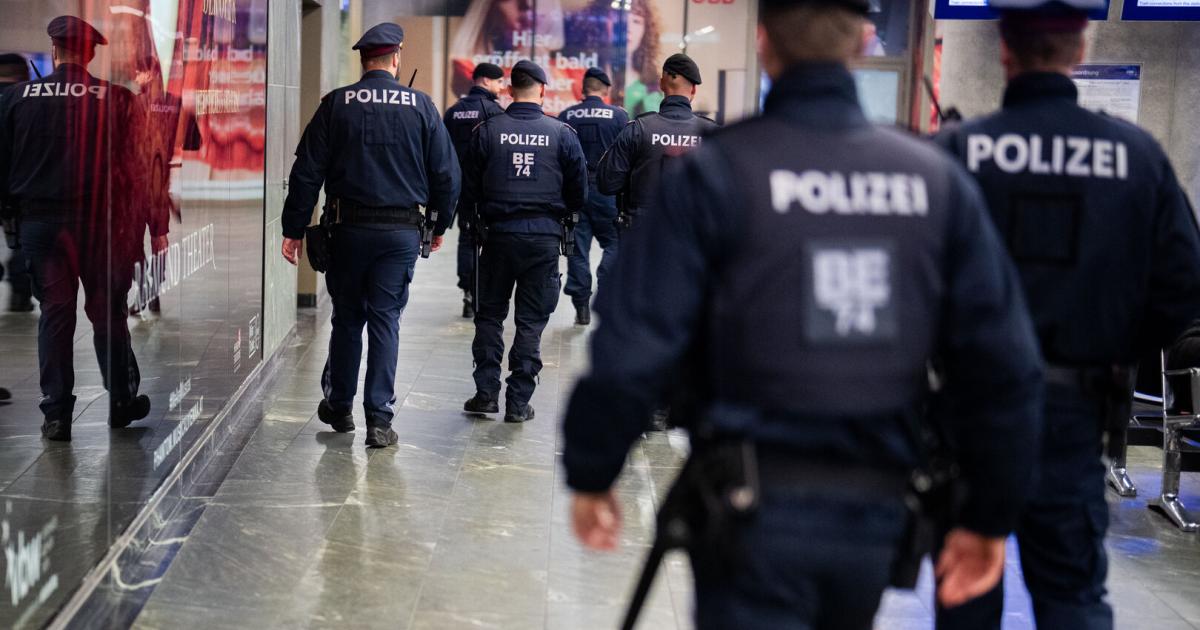
Die Polizei plant, jedes Jahr 200 zusätzliche Beamte aus den Bundesländern nach Wien zu holen, um die ungenutzten Ausbildungsplätze in der Hauptstadt zu füllen und gleichzeitig die Rückkehrmöglichkeiten für die neuen Polizisten in ihre Heimatbundesländer zu gewährleisten. #Polizei #WienAufZeit #Recruiting

kurier.at
Wie die Polizei jedes Jahr 200 Beamte nach Wien holen will
6953
S
Sandfeen Aug 28

A Culture of Violent Ressentiment A lust for violence is spreading through the worst among us. After shootings, murders, and attempted political violence, some celebrate and idolize the attackers—while others online applaud harm done to those deemed deserving, even for things like “misgendering.” People claim these are unrelated, but I see a shared conviction: blood is the only route to a better world. We debate which ideology “caused” a given attack—incel culture, Marxism, anti-Zionism—but the pattern is similar. Radicalization is often treated like infection: belief first, impulse second. I think the reverse is more common. Corrupted people don’t stumble into dangerous ideas. They go looking for them. Ressentiment—Nietzsche’s term for the slow poison of hopeless victims—builds moral systems that make a grudge feel like justice. The feeling takes the throne first; philosophy follows, recruiting whatever justifies what the person already wants. Ressentiment focuses on enemies and punishment while offering vague utopias. It subtracts, locating suffering entirely outside the self and proposing removal of its “source.” That’s why it rejects self-improvement: it requires agency. What we face is not one ideology, but the spirit that turns failure and frustration into someone else’s crime—and therefore treats violence as justice.

469
Spiegel Online Aug 13

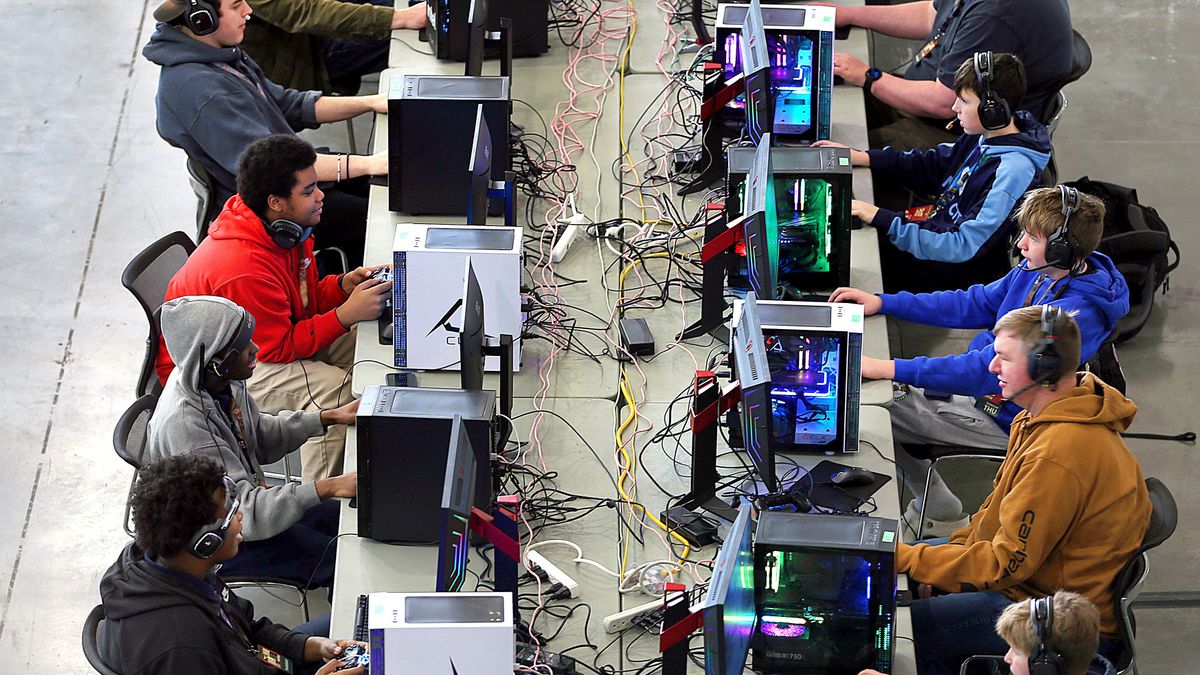
Die USA haben eine unkonventionelle Rekrutierungskampagne gestartet, um 2000 Gamer als Fluglotsen einzustellen, was jedoch Sicherheitsbedenken aufwirft, da Fachkompetenz und die Fähigkeit, unter Druck Entscheidungen zu treffen, für den Job entscheidend sind. #Fluglotsen #Recruiting #Gaming

www.spiegel.de
USA: Sitzen bald 2000 Gamer als Fluglotsen im Tower?
16490
Kurier Aug 10

Der Artikel diskutiert die rechtlichen Aspekte des Einsatzes von KI im Recruiting, insbesondere hinsichtlich Transparenz, Bewerberrechte und mögliche Diskriminierung, basierend auf einem aktuellen Gerichtsfall gegen Meta, der aufzeigt, dass KI-gestützte Systeme Menschen mit Behinderungen unfair benachteiligen könnten. #KI #Recruiting #Datenschutz

kurier.at
KI im Recruiting: So werden Bewerber automatisch aussortiert
15914
Kurier Aug 2

Künstliche Intelligenz verändert den Recruiting-Prozess, indem sie zunehmend Bewerbungen erstellt und sortiert, was sowohl Chancen als auch Herausforderungen für Bewerber birgt, da die Menschlichkeit im Auswahlverfahren oft auf der Strecke bleibt und Vorurteile in den Algorithmen zu ungenauen Bewertungen führen können. #KünstlicheIntelligenz #Recruiting #Bewerbung

kurier.at
Chatbot statt Anschreiben: Wie KI das Recruiting verändert
15949
Vatnik Soup Jun 27

Russia is now recruiting civilians for suicide missions, transporting gas to Crimea. While the US seems to be using Idiocracy as its blueprint, Russia appears to be heading down the Mad Max path. https://t.co/o2yRRc6Aj5 #Russia #SuicideMissions #MadMax #RU #US

6067
L
lastampa.it Jun 1

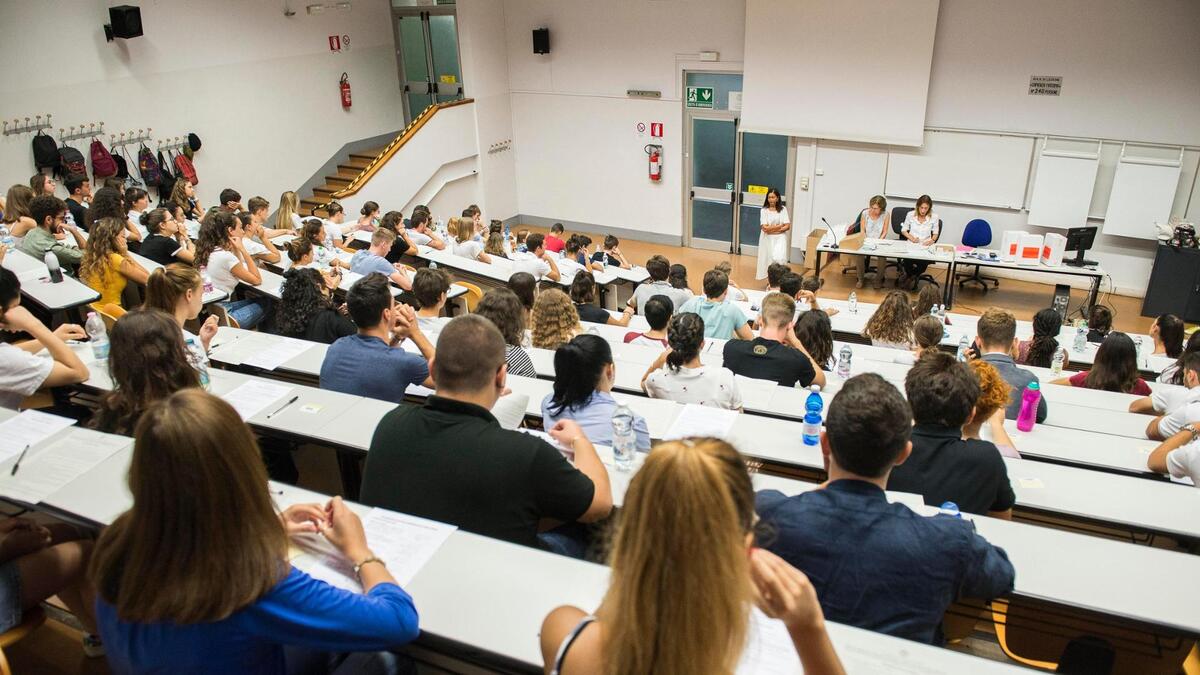
Gli atenei piemontesi stanno trasformando il passaggio dall'università al lavoro in un processo organizzato attraverso tirocini, mentoring e recruiting, con risultati significativi: il 96% dei laureati magistrali del Politecnico di Torino è occupato a un anno dal titolo e l'Università di Torino mostra tassi di occupazione in crescita, evidenziando l'importanza della formazione specialistica post-laurea in un mercato del lavoro sempre più esigente. #Università #Occupazione #Formazione

www.lastampa.it
Dall’aula all’impresa, così gli atenei trasformano la laurea in occupazione
16715
Jakub Lysek May 16

RT @legal0ve: 📖 The Mathematics of War. Recruiting people for the war against Ukraine is becoming increasingly difficult for Russia, while… #MathematicsOfWar #Ukraine #Russia #UA #RU

Euronews English May 14

Russia's prison population has decreased by over 180,000 in the past five years, largely due to the government's practice of recruiting convicts to fight in Ukraine, as the penitentiary service reported a significant decline in numbers, while also noting an increase in crime from returning prisoners and the role of inmates in supporting the wartime economy. #Russia #PrisonSystem #UkraineConflict #RU

www.euronews.com
Russia's prison population falls by 180,000 since start of Ukraine war
8375
Euronews English May 14

Russia's prison population has decreased by over 180,000 in the past five years, largely due to the government's practice of recruiting convicts to fight in Ukraine, as the penitentiary service reported a significant decline in numbers, while also noting an increase in crime from returning prisoners and the role of inmates in supporting the wartime economy. #Russia #PrisonSystem #UkraineConflict #RU

www.diepresse.com
Kalifornien will Paramount-Fusion blockieren
8375
Sebastian Gorka DrG May 13

RT @StateDept: 🚨State Department Scraps Woke Curriculum In New Recruiting Push https://t.co/X2qEaWKbAR #Woke #Recruitment #StateDepartment #Nospecificcountrycodescanbeidentifiedfromthetweetprovided.

The New York Times May 13

Lane Kiffin, after six seasons as head coach at Ole Miss, stated that recruiting top prospects is easier at LSU due to a stronger sense of campus diversity, reflecting the historical challenges at Ole Miss, and he will return to Oxford for a highly anticipated game against Ole Miss on September 19. #CollegeFootball #Recruiting #Diversity #US #MS #LA

www.nytimes.com
Lane Kiffin says LSU's 'campus' diversity' offers recruiting advantage he lacked at Ole Miss
8975
R
Reuters May 8

Vietnam's Communist Party aims to enhance its propaganda by recruiting a network of social media influencers and AI experts to disseminate positive content and counter misinformation, with a goal of ensuring that at least 80% of online information in Vietnamese aligns with party guidelines by 2030. #Vietnam #SocialMedia #Propaganda #VN #CN #RU

www.reuters.com
Communist-run Vietnam eyes influencers, AI to spruce up propaganda, documents show
8979
The New York Times May 6

The article discusses the controversial influence of the Ben Franklin Fellowship, a private conservative group within the State Department, which has raised alarms among veteran diplomats and congressional Democrats due to its perceived promotion of conservative ideology and potential ideological bias in recruiting career diplomats amid concerns over recent changes in hiring practices and policies under Secretary of State Marco Rubio. #Diplomacy #ForeignPolicy #PoliticalInfluence #US #MY

www.nytimes.com
Conservative Group's Influence Inside the State Department Raises Alarms
8981
Euronews English May 5

In the last three years, gang violence in Sweden has led to the deaths of 23 innocent bystanders and injuries to 30 others, with police attributing these incidents to young, inexperienced shooters, mistaken identities, and relatives of gang members being targeted, as the country grapples with escalating crime and the influence of gangs recruiting children through social media. #GangViolence #SwedenCrime #InnocentVictims #SE

www.euronews.com
More than 20 bystanders killed in Sweden shootings in three years
8982
BBC May 4

The military government of Myanmar is forcibly recruiting young people for mandatory military service, employing intimidation and threats, which human rights activists label as 'modern slavery and human trafficking,' leading to a significant exodus of youth from the country and resulting in the loss of an entire generation. #MyanmarCrisis #HumanRightsAbuse #MilitaryDraft #MM #TH

www.bbc.com
Myanmar: Junta tangkap paksa anak muda untuk wajib militer - BBC News Indonesia
10181
University of Cincinnati Mar 17

Join our @SXSW panel "Forget Recruiting. Design Your Own Workforce". Leaders from @ProcterGamble, @Microsoft, & @kinetic_vision will share how co-op builds talent pipelines, fuels innovation, and offers a strategic advantage for organizations. https://t.co/IIZrkRt0Fy #SXSW2026 https://t.co/tqOLzzCBQw -

481
E
Emmanuel Macron Feb 24

Four years ago, Europe awoke to the sound of Russian bombs falling on Ukraine. Four years of a war of aggression chosen by Russia, in blatant defiance of international law, of a people’s sovereignty, and of human life. Four years of cities struck, of schools and hospitals destroyed, of energy infrastructure methodically targeted to plunge families into cold and terror. Four years: 15,000 Ukrainian civilians killed. Four years of shattered lives—violence, rape, torture, war crimes, and terror. Four years, and thousands of Ukrainian children torn from their land and their families. And yet, for four years Ukraine has held firm and resisted. One day, Russians will grasp the enormity of the crime committed in their name, the hollowness of the pretexts invoked, and the long-term, devastating effects on their own country. While the Kremlin promised to conquer Ukraine in a matter of days, only 1% of Ukrainian territory has been taken since the front stabilized in November 2022. Last month, Ukraine even regained ground. And at what cost for the Russians? More than 1.2 million Russian soldiers have been wounded or killed—the highest number of Russian combat casualties since the Second World War. Faced with these losses, Russia is recruiting individuals on the African continent to send them to fight on the Ukrainian front, often with no prior training whatsoever. This war is a triple failure for Russia: military, economic, and strategic. It has strengthened NATO—the very expansion Russia sought to prevent—galvanized Europeans it hoped to weaken, and laid bare the fragility of an imperialism from another age. Because Ukraine is the first line of defence of our continent, France and Europe stand resolutely by its side. Financial, military, humanitarian, and energy assistance: Europe has already mobilised €170 billion. At the European Council in December, we agreed on a €90 billion loan to provide Ukraine with predictable funding over the next two years. There is no justification for calling this into question. We must now deliver on it. Deliveries of equipment and ammunition, training, strengthened air defences and counter-drone capabilities, and support for the systems already supplied will continue. So that Ukraine can hold—and so that Russia understands that time is not on its side. We will also continue to target Russia’s war economy: we will stay the course on sanctions and press ahead with action against the shadow fleet. Because there can be no peace without security—and because our security is being decided in Ukraine—we will continue our engagement within the Coalition of the Willing. In Paris on 6 January, we built strong convergence with the United States on future security guarantees. Today’s new meeting must allow us to keep moving forward. We will also ensure that Europeans’ interests are properly taken into account in the discussions, including—when the time comes—when it is a question of the security architecture our continent needs. To the women and men of Ukraine: we think of you with deep emotion. Of your families who have endured so much, of your children, of all those who keep resisting under the strikes. To those who believe they can count on our fatigue: they are mistaken. We are, and will remain, by Ukraine’s side. -

207480