WRLD

Search

#Sicilian
Il Fatto Quotidiano 2d

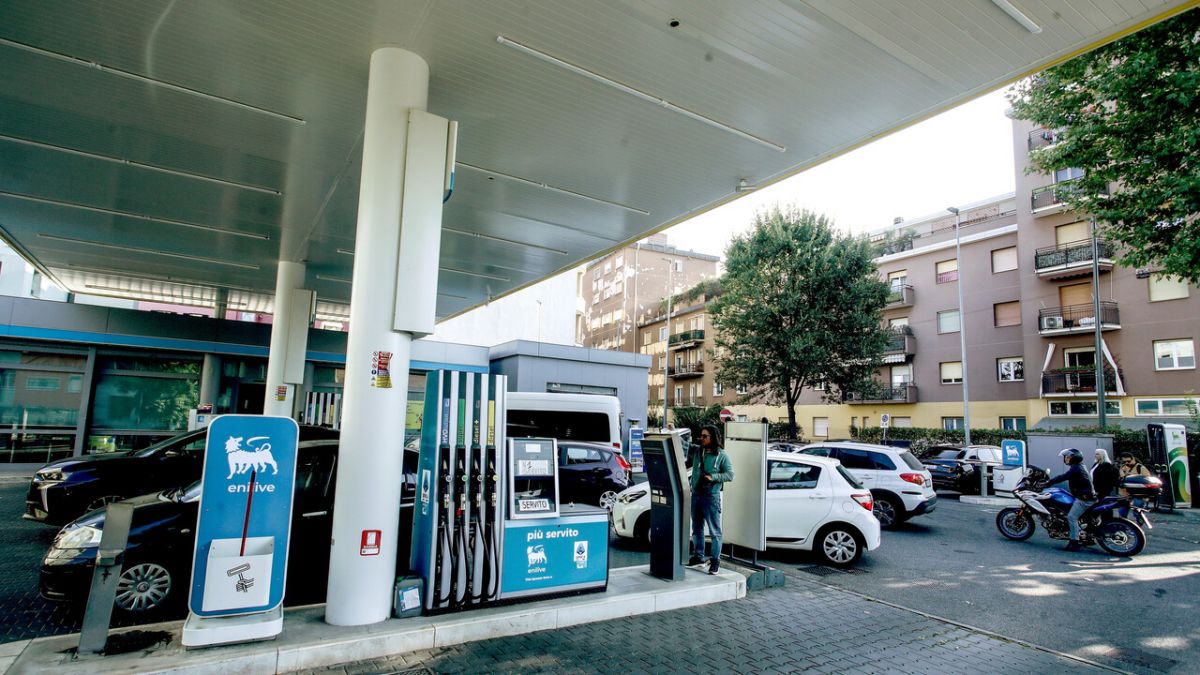
The Sicilian trucking companies will stop from October 16 to 22 to protest against the unsustainable increase in fuel prices and the lack of concrete responses from the institutions. #Carburanti #Autotrasporto #Sicilia (translated)

www.ilfattoquotidiano.it
Caro carburanti, le imprese di autotrasporto siciliane si fermano dal 16 al 22 ottobre: l’annuncio di Confindustria Catania
2297
ANSA.it 2d

Sicilian transport companies will halt operations from October 16 to 22 due to an unsustainable economic condition and the increase in diesel fuel costs. #Autotrasporto #Sicilia #ProtestaEconomica (translated)

www.ansa.it
Confindustria etnea, autotrasporto siciliano fermo dal 16 al 22 ottobre
2304
RenatoSchifani 2d

Schifani announced an amendment to the corrective maneuver, under discussion in the Sicilian Regional Assembly, to make immediate resources available. #Maltempo #Calabria #Sicilia (translated)

Il maltempo flagella il Sud: frane a Mergellina, il Reggino sott’acqua e trombe d’aria nel Trapanese
www.lastampa.it
2322
Ultimora.net 2d

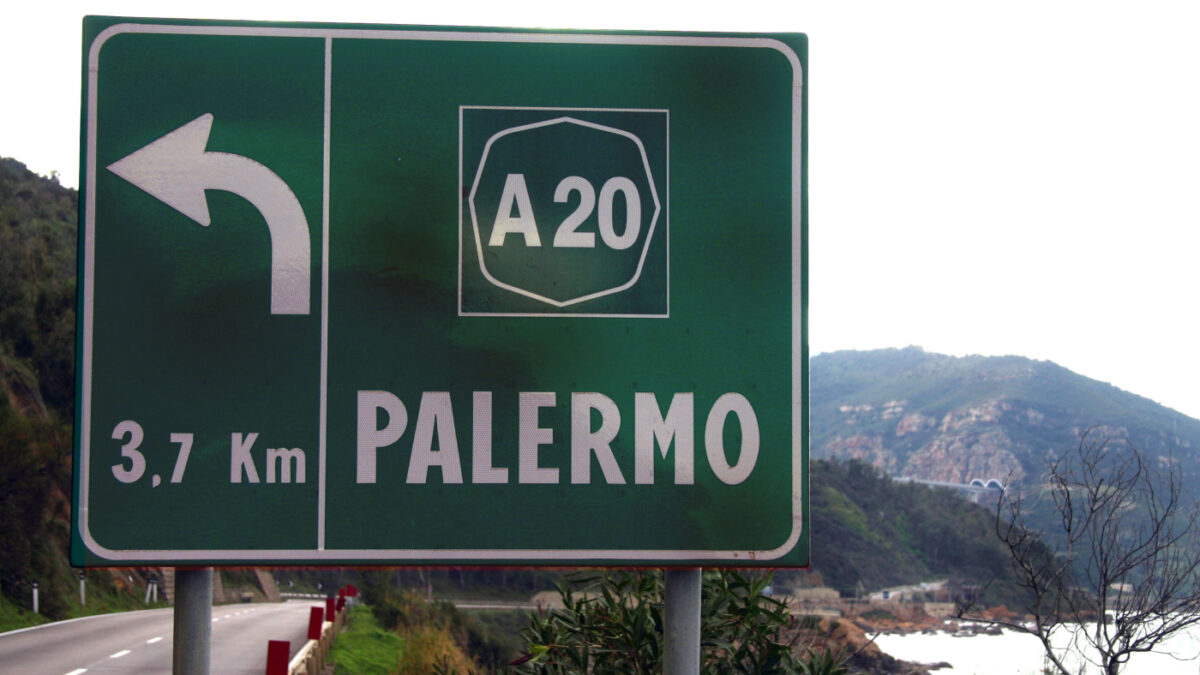
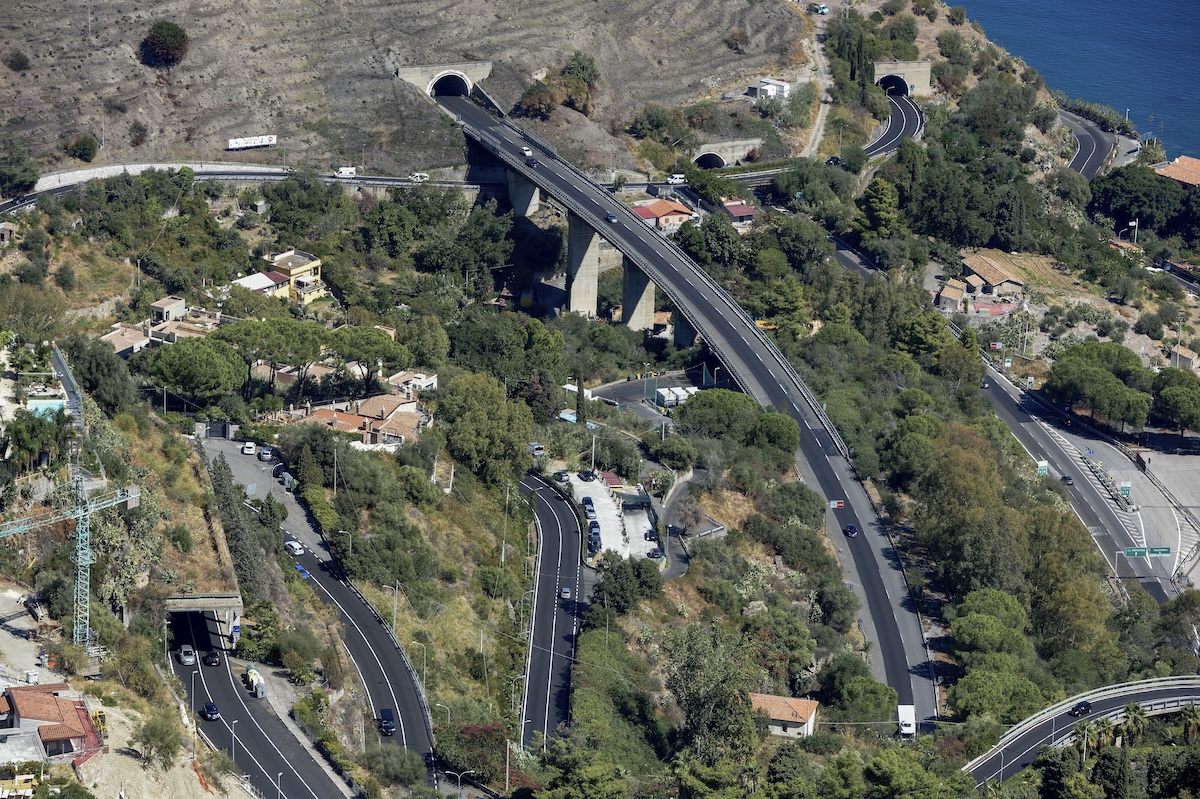
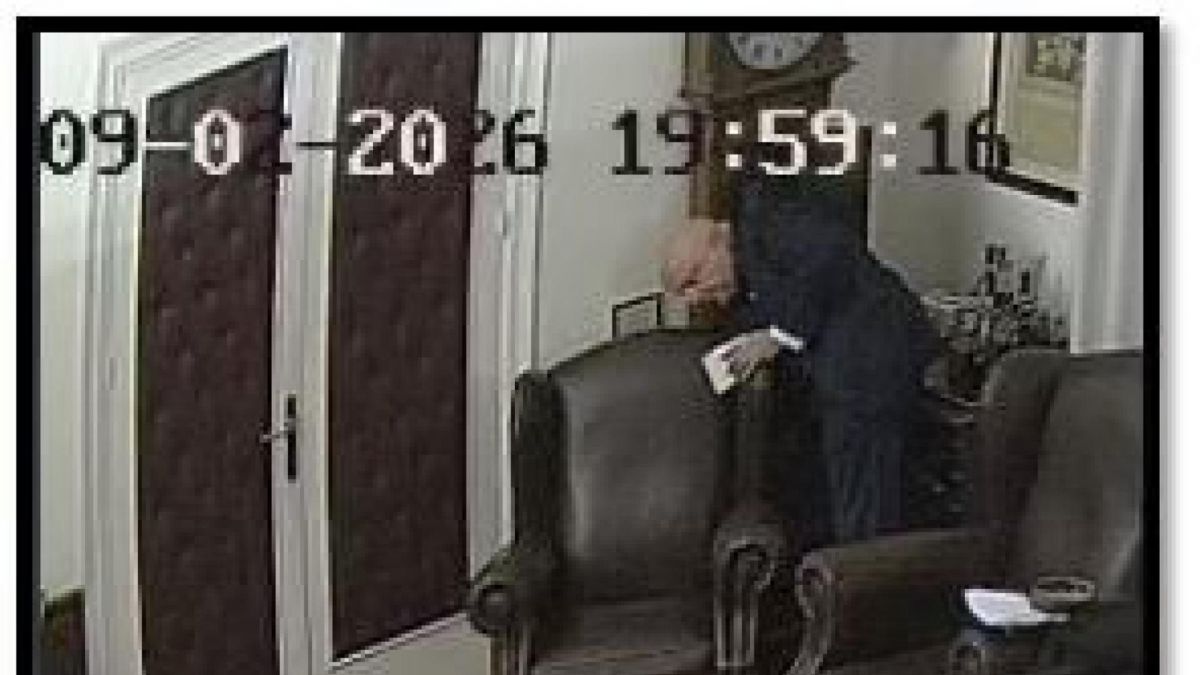
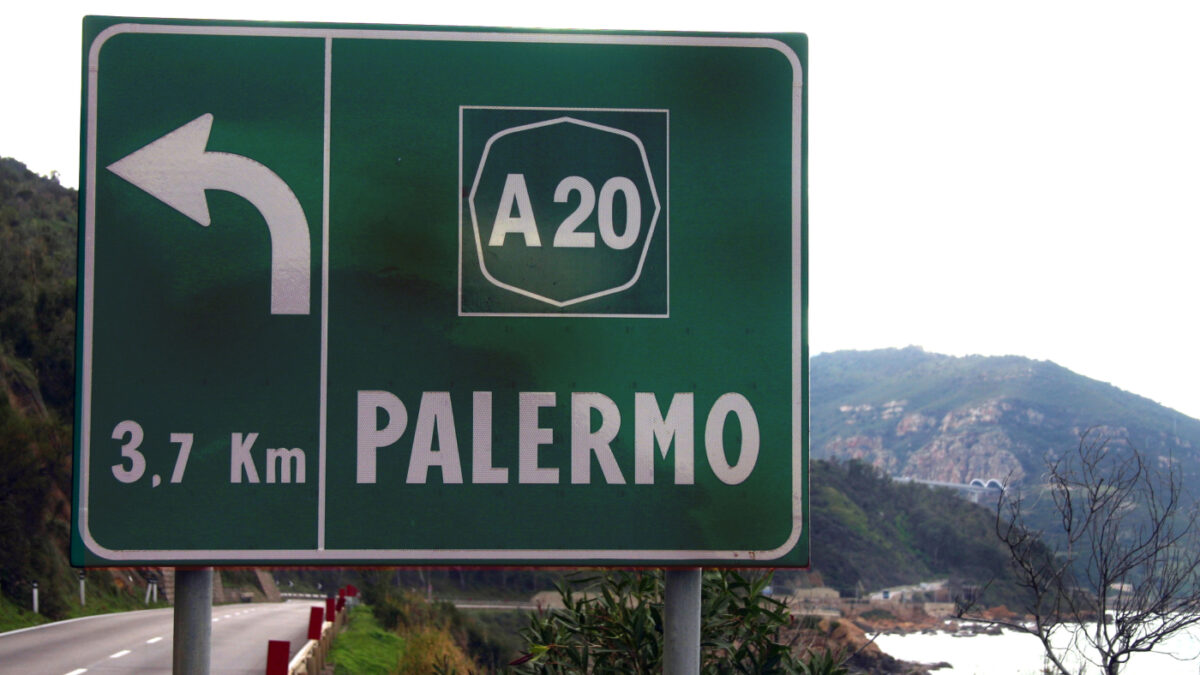
Ultimora.net reported that inspections by the Ministry of Transport had revealed serious maintenance deficiencies and safety issues on the Sicilian highways A20 Palermo-Messina and A18 Messina-Catania. According to the report, the official in charge of the controls, Placido Migliorino, had proposed a maximum speed limit of 60 km/h on both highways, citing non-compliant guardrails, poorly lit tunnels, and deteriorated viaducts. The most significant issues, the publication wrote, concerned the sections between Sant’Agata di Militello and Messina on the A20 and between Messina and Giarre on the A18, largely built between the 1960s and 1970s. The Sicilian Region had also allocated 13.3 million euros for urgent interventions. #Sicilia #SicurezzaStradale #ManutenzioneStrade (translated)

3453
Il Fatto Quotidiano 2d

The Ministry of Infrastructure and Transport, led by Matteo Salvini, has imposed a speed limit of 60 km/h on the Sicilian highways A20 and A18 due to serious safety issues affecting 70% of the network. #AutostradeSiciliane #Sicilia #MatteoSalvini (translated)

www.ilfattoquotidiano.it
Le autostrade siciliane “non sono sicure”: dopo l’ultimatum il ministero di Salvini impone il limite di velocità a 60 km/h
3120
Federico Pavan 3d

Federico Pavan shared a video of Rosalba Pipitone filmed in Marsala and wrote that the tornado might have been the most intense in Sicily in several decades. He added that some cars had been thrown around and that updates would follow. https://t.co/9Af9y9w0pY #Tornado #Sicilia #Marsala (translated)

3459
Il Post 3d

The Sicilian highways A20 and A18 are in such critical condition that a speed limit of 60 km/h is required for safety reasons, as stated by a senior official from the Ministry of Transport after recent inspections. #AutostradeSiciliane #SicurezzaStradale #MinisteroTrasporti (translated)

www.ilpost.it
Le autostrade siciliane sono messe così male che serve un limite di 60 km/h
2790
Il Fatto Quotidiano 4d

Sicilian governor Renato Schifani is considering resigning after a heated phone conversation with Antonio Tajani, while asking for another secured position in the party in light of the internal crises within Forza Italia. #ForzaItalia #Sicilia #RenatoSchifani (translated)

www.ilfattoquotidiano.it
Sicilia, Schifani pensa alle dimissioni dopo la dura telefonata con Tajani. Ma intanto chiede un’altra poltrona garantita
1687
Simone Pillon 5d

Simone Pillon recalled the Battle of Lepanto, fought on October 7, 1571, describing it as a clash between Christians and Muslims. He wrote that the Holy League, composed of Austrians, Spaniards, Venetians, Lombards, Romagnols, Tuscans, Savoyards, Genoese, Sicilians, and Neapolitans, deployed under the command of Don John of Austria 6 galleasses and about 204 galleys. According to Pillon, the Turkish fleet of Ali Pasha consisted of 170-180 galleys, 20 or 30 galliots, and an unspecified number of xebecs and privateer brigs. Pillon reported that Pope Pius V had a premonition and prayed the rosary during the battle, while the Christian fighters received the Eucharist before setting sail. He wrote that, despite the Turkish numerical superiority and the initially favorable wind for the Ottomans, the direction of the wind changed, and the Holy League won. In his account, Pillon indicated that the Turks lost 80 galleys sunk and 117 captured, along with 27 galliots sunk and 13 captured; he added that 30,000 Turks were killed or injured, and 8,000 were taken prisoner. He also claimed that 15,000 Christians enslaved at the oars were freed. He said that Pius V dedicated the victory to Our Lady of the Rosary and that October 7 became the feast of the Rosary. Pillon finally wrote that, in his view, the Christian West was facing new battles, some already open, and hoped that they would be bloodless and victorious. He wondered if there were still strong men capable of protecting the lands and families. #Lepanto #Storia #Battaglie (translated)

3382
Il Fatto Quotidiano 5d

The career of Gaetano Armao, an administrative lawyer and former Sicilian regional councilor, intertwines teaching, politics, corruption investigations, and his marriage to magistrate Giusi Bartolozzi, highlighting an influential yet controversial professional and personal journey in the Sicilian scene. #Corruzione #Sicilia #Politica (translated)

www.ilfattoquotidiano.it
Dalla docenza alla politica, fino alle nozze con Giusi Bartolozzi (e le altre inchieste): la carriera di Gaetano Armao
1579
L
lastampa.it 6d

Former Sicilian Vice President Gaetano Armao is accused of hiding bribes in a pendulum clock, with the prosecutor requesting his arrest for corruption after documenting the exchanges of money with a lawyer. #corruzione #Sicilia #mazzette (translated)

www.lastampa.it
Mazzette, i pm: “L’ex vicepresidente siciliano Armao nascondeva i soldi in un orologio a pendolo”
1696
Il Fatto Quotidiano 6d

An investigation by "Lo Stato delle Cose" on Rai 3 revealed the presence of a mafia network among family connections in the hospitals of Palermo, highlighting links between employees of cleaning companies and relatives of members of Cosa Nostra, with a broader system involving several hospitals in the Sicilian capital. #Mafia #Palermo #Parentopoli (translated)

www.ilfattoquotidiano.it
La parentopoli mafiosa negli ospedali di Palermo: “Peggio degli anni 80 e 90”. L’inchiesta de Lo Stato delle Cose su Rai 3
1813
un girovago 7d

A wanderer wrote that, while the Italians were dealing with cents at the gas station, the Sicilian financial law allocated 250,000 euros to each councilor to spend in their constituency. He also stated that in the cabinet of a man he sarcastically referred to as "gentleman," there were 17 under investigation, 2 arrested, and 2 referred to trial. https://t.co/YVKX45M89i #Sicilia #Politica #Corruzione (translated)

3514
Il Post 1w

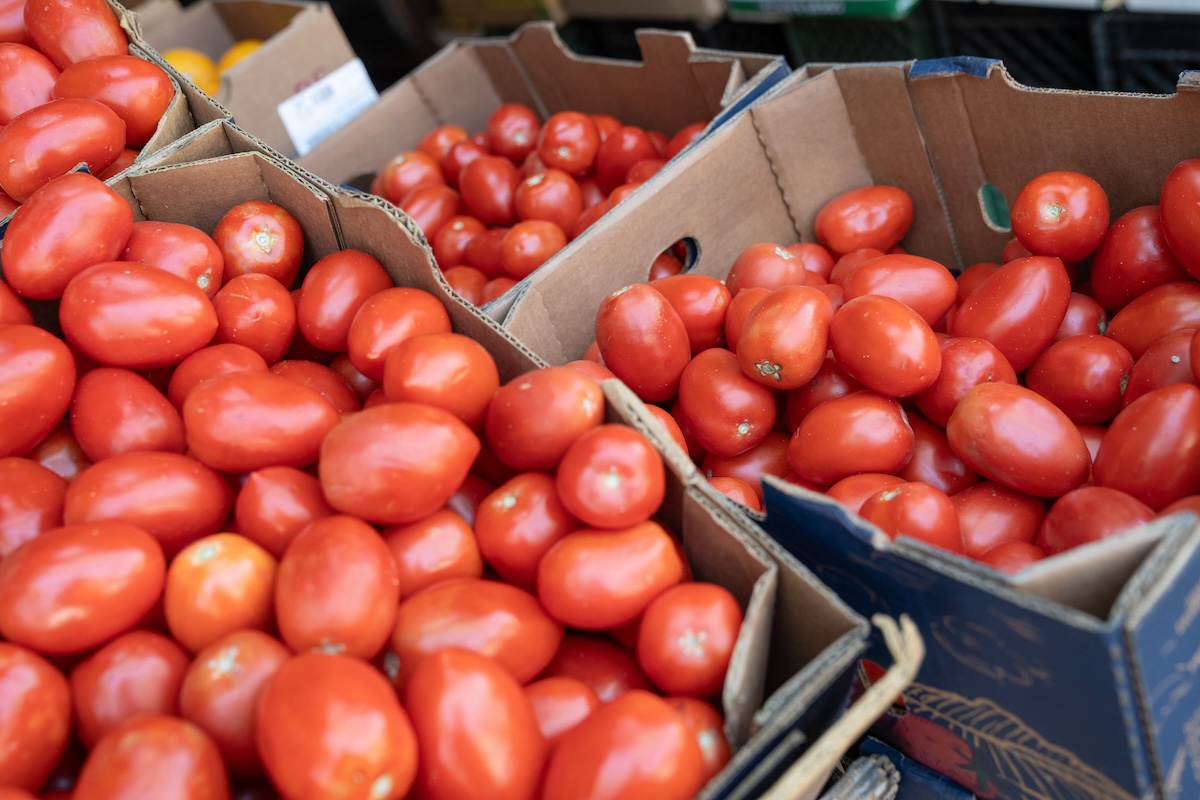
In Puglia, raw tomatoes have been banned in school and hospital canteens due to two outbreaks of salmonella linked to the consumption of Sicilian cherry tomatoes. #Puglia #Salmonella #Contaminazione (translated)

www.ilpost.it
In Puglia sono stati vietati i pomodori crudi nelle mense di scuole e ospedali dopo due focolai di salmonella
1478
Noemi Blonde 2w

I was overwhelmed by this SICILIAN soldier!*..🔥 he didn't understand that I had a surprise, but when he found out he didn't care at all, and I made him understand why males prefer trans 🏳️‍⚧️ FULL VID https://t.co/9lE67uuGOX https://t.co/3gf9LrAMaT https://t.co/9lE67uuGOX https://t.co/3gf9LrAMaT #Sicilia #Trasgender #Amore (translated)

18634
Carlo Calenda 2w

@AttentoAlTweet A me non frega nulla. Ho visitato Segesta e mangiato pasta alla Norma. Penso alle persone che dovevano partire per forza. Ma se tu da siciliano sei felice, amen. Continuate così #Sicilia #Segesta #PastaAllaNorma

15846
Il Fatto Quotidiano 2w

Il ministero delle Infrastrutture ha dato un ultimatum al Consorzio autostrade siciliane, chiedendo l'avvio degli interventi urgenti sulle autostrade A18 e A20 entro il 3 ottobre, altrimenti si potrebbe arrivare alla chiusura delle tratte per motivi di sicurezza. #AutostradeSiciliane #SicurezzaStradale #InterventiUrgenti

www.ilfattoquotidiano.it
Autostrade siciliane, l’ultimatum del ministero: avviare gli interventi urgenti entro il 3 ottobre o si rischia la chiusura
1496
Mr. Storywise 3w

Archimedi era supra a so tabletta quannu un surdatu rumanu l’ammazzau. Sona naturali? Nun tantu. Eppuru, si “attualizzamu” abbastanza u passatu, putemu arrivari propriu cca. Quasi ogni cultura havi edizzioni mudernizzati di auturi antichi, cu discussioni supra l’ortugrafia, u vucabbulariu, li noti editoriali e l’adattamentu pi lu litturi cuntimpuraneu. Un antiquariu mi dissi na vota ca “a patina dû tempu duna valuri” e pò fari a diffirenza tra un urigginali e na copia economica. Apro “Saggi di Duminica” di Constantin Noica, arrivu ô prefaziu di l’edituri nta l’edizzioni Humanitas dû 1992 e scummogghiu ca “l’ortugrafia fu attualizzata”. Lèggiri Noica putìa essiri comu fari na passiata ntê anni 1930–1940. Inveci, facemu sta passiata cu occhiali muderni, assittati còmodi nta n’Uber, senza timuri di pèrdiri a strata — vali a diri, senza u risicu di nun capiri li paroli dâ so èpuca, ca si putìanu simplicimenti “tradùciri” ntê noti a pedi di pàggina. E si pigghiassimu puru li jurnali di dda èpuca e li “attualizzassimu”? E magari putìamu fari puru un rebranding dî pubblicità d’allura, accussì li nostri neuroni nun hannu a travagghiari troppu, comu si fussimu nta n’escape room. Picchì firmàrisi cca? Putìamu attualizzari puru li libri di storia e scrìviri ca Archimedi di Sarausa fu ammazzatu di un surdatu rumanu mentri facìa matematica supra a so tabletta. L’idea di funnu arresta a stessa, no? Sparisci sulu l’èpuca. E n’autra cosa: picchì li matematici nun “attualìzzanu” Pitagora? Ponnu canciari a nutazzioni. Ponnu spiegari a dimustrazioni nta n’autru modu. Ponnu puru custruiri u disegnu online cu n’animazzioni ca si forma davanti all’occhi dî sculari. Ma u tiurema di Pitagora arresta u tiurema di Pitagora. Allura, quannu liggemu un auturi anticu, picchì nun mantèniri puru a lingua dâ so èpuca — e mèttiri li spiegazzioni muderni ntê noti? E n’ùrtima dumanna pi Humanitas e pi chiddi chi travagghianu ntê facoltà di littri e filuluggìa: si tra quarchi dicènniu li sculari d’oggi vi “attualìzzanu” cu # e emoji, vi piacissi? #Humanitas #ConstantinNoica #Noica #SaggiDiDuminica #Archimedi #Pitagora #Hashtag #Emoji #MrStorywise #OrtugrafiaAttualizzata #StoriaDâLingua #20260920_1926 #Sicilianu #Sicilian #Sicilia #Italy #Littiratura #Storia

579
Luciano Magaldi Sardella (PhD) 3w

"FOGGIA SERA": DA SAN SEVERO ALLA STANFORD UNIVERSITY: LA "RIVOLUZIONE A SEI POSTI" DEL TEATRO EDICOLA SOURCE: https://foggiasera.it/2026/09/19/da-san-severo-alla-stanford-university-la-rivoluzione-a-sei-posti-del-teatro-edicola-by-luciano-magaldi-sardella/ SAN SEVERO (FG) - La Stanford Social Innovation Review (SSIR), la rivista accademica pubblicata dallo Stanford Center on Philanthropy and Civil Society della prestigiosa Stanford University, la seconda al mondo nello Shanghai Ranking of World Universities, è il punto di riferimento mondiale per ricercatori, policy maker e operatori dell'imprenditoria innovativa e della filantropia che ha pubblicato il reportage "The Six-Seat Revolution" sul Teatro Edicola di San Severo, il teatro più piccolo del mondo nato dall'intuizione di Francesco Gravino, direttore artistico della compagnia Foyer '97. A firmarlo è Luciano Magaldi Sardella, ricercatore indipendente e giornalista internazionale, originario di Orta Nova con radici materne sanseveresi, già autore di studi pubblicati su riviste accademiche internazionali. Il pezzo è apparso nell'edizione settembrina (Fall 2026) della review accademica, nell'ambito della sezione dedicata ad Arti e Cultura. Una presenza che proietta San Severo, e più in generale la Capitanata, nell'élite internazionale della ricerca sull'innovazione culturale e urbana. Il teatro nasce da una edicola dismessa Tutto comincia il 27 marzo 2026, Giornata Mondiale del Teatro, in Piazza Municipio a San Severo. Un'edicola inutilizzata da anni in via Matteo Tondi apre la sua saracinesca per rivelare, al posto di giornali e sigarette, un attore in scena. Dentro: sei sedie. Ogni quindici minuti, un nuovo pubblico prende posto. Prendendo ispirazione dal formato televisivo di Edicola Fiore del noto presentatore siciliano di di radio e tv, nasce il Teatro Edicola, una struttura ormai mediaticamente riconosciuta come il teatro più piccolo al mondo per dimensioni e capienza: quattro metri quadrati complessivi, con uno spazio scenico inferiore ai due metri. Gravino guida la Foyer '97 da quasi trent'anni, costruendo un percorso artistico esigente in un contesto, quello dell'Italia meridionale, storicamente penalizzato dal punto di vista dei finanziamenti pubblici alla cultura. Eppure, quando ha visto quella edicola vuota, ha scelto la strada della provocazione: trasformare il minimo indispensabile in un manifesto sul senso stesso del teatro. Il modello e i suoi effetti misurabili La stagione inaugurale è durata tre giorni. Tutti gli spettacoli sono andati esauriti. In un solo pomeriggio, oltre sessanta persone hanno assistito alle rappresentazioni. Il costo dell'intera operazione pilota è stato inferiore ai tremila dollari. La formula è radicale nei suoi elementi costitutivi: spettacoli della durata di cinque-dodici minuti, pensati appositamente per lo spazio rotazione del pubblico ogni quindici minuti contatto visivo diretto e inevitabile tra attore e spettatore nessuna distanza architettonica o psicologica tra scena e platea biglietto proposto a cinque euro a persona, con un modello economico ibrido che prevede supporto municipale, sponsor locali e ricavi da botteghino. Secondo l'analisi pubblicata sulla Stanford Social Innovation Review, il Teatro Edicola rappresenta un modello replicabile di rigenerazione urbana a basso costo e alto impatto, in grado di riattivare spazi commerciali abbandonati (edicole, tabaccherie, cabine telefoniche) senza necessità di grandi investimenti infrastrutturali. La voce di chi ha costruito tutto Francesco Gravino non ha dubbi sul senso dell'operazione: «Non servono grandi teatri per cambiare un pezzo di città. Serve una buona idea e il coraggio di restituire alla collettività uno spazio che ha perso la sua funzione». E sulla portata del riconoscimento internazionale: «Teatro Edicola nasce per dimostrare che un luogo di incontro e cultura può nascere dovunque, anche in due metri quadrati. Che oggi questo lavoro venga studiato a livello internazionale e che arrivino richieste di informazioni da città come Lucca e Roma è la conferma che la strada è quella giusta». Il regista ha anche spiegato la scelta simbolica del luogo: l'edicola era il punto in cui ogni mattina ci si fermava, ci si aggiornava, ci si riconosceva come comunità. La sua scomparsa ha lacerato una trama sociale precisa. Restituirle una funzione culturale significa ricucire quel tessuto da dove si era strappato. Le sfide: scalabilità, riconoscimento istituzionale, radicamento Il reportage della SSIR non si limita a celebrare il progetto ma analizza anche i nodi critici. Il primo è la sostenibilità nel tempo: un'attivazione di tre giorni, per quanto riuscita, non costituisce ancora un programma stabile, una vera e propria programmazione stagionale (weekend dalla primavera all'autunno) con un roster rotante di compagnie locali e regionali. Il secondo nodo riguarda la replicabilità senza perdita d'identità: il Teatro Edicola funziona anche grazie alle radici profonde della Foyer '97 nel territorio sanseverese. Trapiantare il modello altrove richiede non solo un kit fisico, ma un intero processo di costruzione comunitaria. Il terzo ostacolo è istituzionale: in un sistema di finanziamento pubblico che premia le organizzazioni con sedi consolidate e metriche di output prevedibili, un progetto deliberatamente sperimentale, iperlocalista e per sua natura impermanente fatica ad accedere ai canali ordinari del Fondo Nazionale per lo Spettacolo dal Vivo (FNSV) del Ministero della Cultura. Una lezione che viaggia oltre la Puglia Nella "Stanford Social Innovation Review" l'autore conclude che le intuizioni del Teatro Edicola trascendono il contesto sanseverese: in qualsiasi comunità in cui le istituzioni culturali faticano a raggiungere pubblici giovani, diversi o economicamente marginali, il principio della prossimità si rivela dirompente: incontrare le persone dove già si trovano, negli spazi che abitano quotidianamente. Dal popoloso centro della Daunia alle pagine della Stanford University: San Severo e la sua edicola dimostrano che sei sedie, quattro metri quadrati e una visione sono sufficienti per cambiare il modo in cui una città pensa sé stessa. E per offrire al mondo un modello che costa meno di quanto si creda ma vale molto di più di quanto si immagini.

927
Luciano Magaldi Sardella (PhD) 3w

"FOGGIA SERA": FROM SAN SEVERO TO STANFORD UNIVERSITY: THE "SIX-SEAT REVOLUTION" OF THE TEATRO EDICOLA SOURCE: https://foggiasera.it/2026/09/19/da-san-severo-alla-stanford-university-la-rivoluzione-a-sei-posti-del-teatro-edicola-by-luciano-magaldi-sardella/ SAN SEVERO (FG) - The Stanford Social Innovation Review (SSIR), the scholarly journal published by the Stanford Center on Philanthropy and Civil Society of the prestigious Stanford University - ranked second in the world in the Shanghai Ranking of World Universities - and recognised as the pre-eminent global reference for researchers, policy-makers, and practitioners of innovative entrepreneurship and philanthropy, hath published the reportage "The Six-Seat Revolution" upon the Teatro Edicola of San Severo, the smallest theatre in the world by dimension and capacity, born of the intuition of Francesco Gravino, Artistic Director of the Foyer '97 company. Its author is Luciano Magaldi Sardella, independent researcher and international journalist, native of Orta Nova and of maternal Sanseverese extraction, hitherto author of studies published in international academic journals. The piece appeared in the September (Fall 2026) edition of the academic review, within the section devoted to Arts & Culture. A presence that projects San Severo, and more broadly the Capitanata, into the international élite of research upon cultural and urban innovation. The Theatre Is Born of a Disused Newsstand It all commenced on 27 March 2026, World Theatre Day, in Piazza Municipio at San Severo. A news-kiosk, disused for years in Via Matteo Tondi, raised its shutter to reveal, in lieu of newspapers and cigarettes, an actor upon the stage. Within: six chairs. At intervals of fifteen minutes, a new audience took its place. Drawing inspiration from the televisual format of Edicola Fiore by the noted Sicilian presenter of radio and television, there was born the Teatro Edicola, a structure now recognised in the media as the smallest theatre in the world for dimensions and capacity: four square metres in aggregate, with a scenic space of less than two metres. Gravino hath led Foyer '97 for nigh on thirty years, forging a most exacting artistic trajectory in a context - that of southern Italy - historically penalised in respect of public financing for culture. And yet, upon beholding that vacant kiosk, he elected the path of provocation: to transfigure the bare minimum into a manifesto concerning the very meaning of theatre. The Model and its Measurable Effects The inaugural season endured for three days. All performances were sold out. In a single afternoon, upwards of sixty persons attended the representations. The cost of the entire pilot operation was less than three thousand dollars. The formula is radical in its constitutive elements: performances of five to twelve minutes' duration, conceived expressly for the space; rotation of the audience every fifteen minutes; direct and inescapable visual contact betwixt actor and spectator; no architectural or psychological distance betwixt stage and auditorium; ticket proposed at five euros per person, within a hybrid economic model comprising municipal support, local sponsorship, and box-office receipts. According to the analysis published in the Stanford Social Innovation Review, the Teatro Edicola represents a replicable model of low-cost, high-impact urban regeneration, capable of reactivating abandoned commercial spaces (newsstands, tobacconists, telephone kiosks) without recourse to large infrastructural investment. The Voice of Him who Built it All Francesco Gravino entertaineth no doubt as to the import of the enterprise: "Grand theatres are not requisite to transform a fragment of a city. What is requisite is a sound idea and the courage to restore to the collectivity a space that hath lost its function." And upon the import of international recognition: "Teatro Edicola was born to demonstrate that a place of encounter and culture may arise wheresoever, even within two square metres. That this work should today be studied at an international level and that enquiries should arrive from cities such as Lucca and Rome is confirmation that the path pursued is the right one." The director hath further explicated the symbolic choice of place: the newsstand was the locus wherein each morn one paused, informed oneself, and recognised oneself as a community. Its disappearance rent a precise social fabric. To restore unto it a cultural function is to re-stitch that tissue at the very point wherefrom it was torn. The Challenges: Scalability, Institutional Recognition, Entrenchment The SSIR reportage doth not confine itself to celebration of the project but analyseth also the critical junctures. The first is sustainability over time: an activation of three days, howsoever successful, doth not yet constitute a stable programme, a veritable seasonal repertory (weekends from spring to autumn) with a rotating roster of local and regional companies. The second juncture concerneth replicability without loss of identity: the Teatro Edicola functioneth also by virtue of the profound roots of Foyer '97 in the Sanseverese territory. To transplant the model elsewhere requireth not merely a physical kit, but an entire process of community-building. The third obstacle is institutional: in a system of public funding that rewardeth organisations with consolidated premises and predictable output metrics, a project deliberately experimental, hyperlocalist, and by its very nature impermanent strugglest to gain access to the ordinary channels of the Fondo Nazionale per lo Spettacolo dal Vivo (FNSV) of the Ministry of Culture. A Lesson that Travels beyond Puglia In the Stanford Social Innovation Review the author concludeth that the intuitions of the Teatro Edicola transcend the Sanseverese context: in any community wherein cultural institutions struggle to reach youthful, diverse, or economically marginal publics, the principle of proximity proveth disruptive: to encounter people where they already find themselves, in the spaces they inhabit quotidianly. From the populous centre of Daunia to the pages of Stanford University: San Severo and its kiosk demonstrate that six chairs, four square metres, and a vision suffice to alter the manner in which a city conceiveth of itself. And to offer unto the world a model that costeth less than one might credit, yet is worth far more than one might imagine.

1158