WRLD

Search

#Sovereignty
Štefan Auer 20h

The author said Trump’s conduct was bad enough, but argued that Europe had never developed a viable strategy towards Russia and Ukraine. They said appeals to norms and values did not amount to a strategy, and that repeated talk about sovereignty did not achieve it. The author also praised an accompanying thread. #Trump #Russia #Ukraine #EU #RU #UA

2062
Marco Rubio 1d

I say these sanctions are intended to defend US sovereignty. #NobelPrize #InternationalLaw #HumanRights

Nobel peace laureate says US sanctions on ICC 'unacceptable'
www.bbc.co.uk
2771
Marco Rubio 2d

I will defend US sovereignty. Either the ICC will end its threats, or we will end the ICC. I call on US allies that are ICC signatories to rein in the institution. #ICCSanctions #USForeignPolicy #InternationalLaw

US imposes sanctions on International Criminal Court
www.bbc.co.uk
2894
Katerina Janouch 2d

The author argued that the West was losing confidence in its civilisation, with national pride treated as sinful, history as shameful and sovereignty as something to give up. They said Marco Rubio had voiced what Europe’s political elites would not acknowledge and referred to what they described as a “deafening silence” from Sweden. #Civilization #NationalPride #Sovereignty #SE

3341
Krzysztof Graj 5d

Nigeria – how pro-Russian influence networks sell military rule as the answer When Nigerians took to the streets in August 2024 to protest soaring living costs and frustration with government, some demonstrations acquired an unexpected symbol: the Russian flag. In Kano, Kaduna and other northern cities, protesters were filmed carrying Russian colours and calling for Moscow’s intervention. Some demanded a military takeover. What initially looked like an unusual expression of anger has since become part of a much larger picture. A September 2026 assessment by the Africa Center for Strategic Studies describes Nigeria as a major target of overlapping foreign information operations, with Russia the most active external actor in its information space. The report does not identify a single centrally controlled campaign. Instead, it maps an ecosystem in which genuine dissatisfaction over insecurity, corruption and living standards is repeatedly redirected towards a broader proposition: democratic government has failed, while the military-led regimes of the Sahel offer a more effective alternative. Turning a real protest into a pro-Russian message The clearest example emerged during the 2024 #EndBadGovernance protests. Nigerian investigative reporting found that a Kano-based TikTok influencer with more than 100,000 followers had been paid through a Telegram channel associated with African Initiative, a Moscow-based media operation linked by researchers to Russian influence activity in Africa. The influencer said the channel supplied photographs, videos and talking points for redistribution on TikTok and Instagram. Among the messages provided were phrases such as “Putin please come and save Nigeria” and “The army is the answer for Nigeria”. Influencers were encouraged to use Hausa-language hashtags including #Zangazanga – “protest” – alongside references to Putin and Russia. Investigators identified 38 accounts circulating similar pro-Russian and pro-military narratives during the demonstrations. Russian flags subsequently appeared among protesters in several northern cities. This does not mean the protests themselves were created by Russia. They were driven by genuine economic and political grievances, and Nigerian protesters gave different reasons for carrying Russian flags. The important feature of the influence activity was precisely that it did not need to manufacture the original anger. It could attach a geopolitical message to an existing domestic crisis. From frustration to the idea of military government The narrative fits a wider pattern seen across West Africa. Russia has developed close relations with the military governments of Mali, Burkina Faso and Niger, while pro-Russian media ecosystems routinely portray those states as examples of sovereignty, stability and resistance to Western influence. Nigeria, by contrast, has remained under constitutional civilian government since 1999. Africa Center researchers say information networks targeting Nigerians increasingly contrast these two models. Recurring messages depict elections as wasteful or predetermined, civilian institutions as incapable of protecting citizens and military governments as more decisive on security and development. Some content portrays the Sahelian juntas as delivering better roads, lower prices and stronger security even where available evidence points to continuing or worsening instability. Language is central to the strategy. Hausa is spoken across northern Nigeria and neighbouring Niger, allowing political narratives to travel across borders that are far less important online than they are on maps. HumAngle documented efforts involving Nigerien state-linked actors to cultivate Hausa-speaking journalists and distribute material favourable to Niger’s junta and hostile to France and Western influence. The Russian and Sahelian-junta information ecosystems are not identical, but their narratives frequently reinforce one another. Fake journalists inside real Nigerian media The campaign environment extends beyond social media. A 2026 investigation by Graphika and Code for Africa identified 44 ghost reporters and fake experts whose identities were used to place Russia-aligned narratives in African media. Thirty-eight were assessed with high confidence to be fabricated. Their articles or quotations appeared across 138 websites and were amplified by at least 113 Facebook accounts and Pages. Nigeria was one of the most heavily targeted countries. According to the Africa Center’s analysis of the research, Daily Post Nigeria carried 39 articles involving 14 identified ghost authors. Once published by a genuine Nigerian outlet, such material could then be cited by other websites, social-media accounts or even Russian official channels as though it had originated independently in Africa. This is information laundering rather than simple propaganda: the most valuable asset being borrowed is the credibility of the local newsroom. Generative AI added another layer. OpenAI and Meta separately disrupted a Russia-origin network that produced Africa-focused political content and operated Facebook Pages posing as local media organisations. One fabricated commentator, “Dr Manuel Godsin”, was presented as a European-trained geopolitical expert although investigators found no evidence supporting his academic biography. ChatGPT had been used to generate articles under the persona’s name, while Meta removed 37 Facebook accounts and 29 Pages connected to the broader network. Different networks, similar strategic direction It would be misleading to merge all these activities into a single Russian command structure. The African Initiative-linked influencer campaign, the ghost-reporter network and the AI-enabled operation disrupted by OpenAI and Meta were uncovered separately and used different infrastructure. Public evidence does not demonstrate that every actor reported to the same organisation. What connects them is a recurring set of themes and methods: portraying Western partnerships as exploitative, presenting Russia as an alternative security partner, amplifying failures of civilian government, and giving military-led rule greater legitimacy. Investigative reporting on leaked Russian documents has meanwhile described a much wider influence apparatus operating across Africa, involving political consultants, paid journalists, influencers and locally tailored campaigns intended to reduce Western influence and expand Moscow’s position. The underlying technique is less about inventing dissatisfaction than redirecting it. Nigeria faces real security threats, economic pressure and public frustration. Influence operators do not need to persuade Nigerians that those problems exist. They need only influence the explanation for why they exist – and which political model appears to offer the answer. That is what makes the Nigerian case significant. The most effective propaganda does not necessarily introduce a completely false reality. It takes a real crisis and changes where the audience is encouraged to look for the solution. Sources Africa Center for Strategic Studies — The Raging Information Battle in Nigeria https://africacenter.org/spotlight/the-raging-information-battle-in-nigeria/ Graphika — Umbrae Ex Machina https://www.graphika.com/reports/umbrae-ex-machina OpenAI — Operation “No Bell” https://openai.com/index/disrupting-malicious-uses-of-ai-no-bell/ TheCable — Ghost reporters in African media https://www.thecable.ng/ghost-reporters-how-fabricated-african-voices-carried-pro-russia-narratives/ HumAngle — Nigeria Is Facing an Information War in Its Own Language https://www.humanglemedia.com/nigeria-is-facing-an-information-war-in-its-own-language DAIDAC / CJID — Russian influence during #EndBadGovernance https://daidac.thecjid.org/how-telegram-tiktok-aided-russian-disinformation-that-led-to-incarceration-of-nigerian-minors/ FactCheckHub — How Nigeria’s hunger protest took a radical turn https://factcheckhub.com/from-economic-protests-to-coup-agitation-how-nigerias-hunger-march-took-a-radical-turn/ News24 — Fake Kremlin-linked analyst planted stories in African media https://www.news24.com/southafrica/news/ai-expert-exposed-fake-kremlin-linked-analyst-planted-stories-in-african-media-20260318-0560 Vanguard — AI ‘expert’ exposed https://www.vanguardngr.com/2026/03/ai-expert-exposed-fake-kremlin-linked-analyst-planted-stories-in-african-media/ Africa Confidential — How Moscow wages social media war https://www.africa-confidential.com/article/id/15961/how-moscow-wages-social-media-war Keywords #DISINFORMED #Episode15 #Nigeria #Russia #RussianInfluence #RussianDisinformation #Africa #WestAfrica #Disinformation #InformationWarfare #InfluenceOperations #ForeignInterference #FIMI #Propaganda #MilitaryRule #MilitaryGovernment #Democracy #PoliticalManipulation #NarrativeManipulation #AfricanInitiative #EndBadGovernance #Hausa #LocalInfluencers #GhostReporters #FakeExperts #ArtificialIntelligence #AI #AIPersonas #SyntheticMedia #AIPropaganda #Astroturfing #SocialMediaManipulation #Telegram #TikTok #DigitalInfluence #SourceLaundering #NarrativeLaundering #MediaManipulation #Sahel #Geopolitics #OSINT #WRLD

africacenter.org
The Raging Information Battle in Nigeria
789
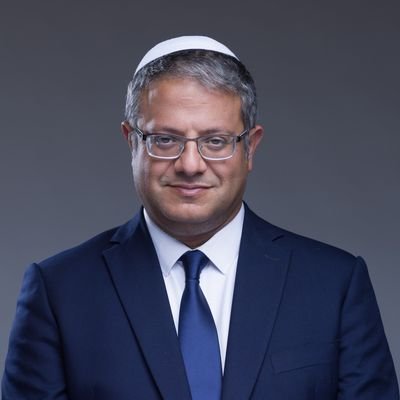
איתמר בן גביר 5d

"I arrived this morning with the bulldozers enforcing sovereignty in the al-Tur neighborhood of East Jerusalem to ensure on the ground that my policy is being implemented. A multistory building constructed in violation of the law was demolished, and the land was returned to the State of Israel. In a year and a half, we demolished 10,000 illegal structures and returned land to the state equivalent to the combined area of Tel Aviv and Givatayim. This is the only way it works!" #Ierusalim #Palestinieni #Demolări (translated)

Un bloc locuit de palestinieni, demolat de Israel în Ierusalimul de Est. Un ministru s-a urcat în buldozer
hotnews.ro
2145
Bruno Maçães 6d

The author wrote that Europe’s situation would keep worsening until a new political class committed to European sovereignty emerged, and said there was no point in hiding that reality. #Sovereignty #EuropeanPolitics #FutureOfEurope #EU

2945
Krzysztof Graj 7d

Africa Daily Report — 5 October 2026 Main developments reported during the previous 24 hours. 1. Ethiopia — Federal forces take control of Mekelle after TPLF withdrawal Ethiopian federal forces and allied fighters took control of Mekelle, the capital of Tigray, after the Tigray People's Liberation Front said it had withdrawn and temporarily relocated the regional administration. The renewed fighting, which began on 23 September, is the most serious breakdown since the 2022 peace agreement and has revived concern about a wider Horn of Africa conflict, particularly after Ethiopia and Eritrea severed diplomatic ties. Source: https://www.reuters.com/world/africa/government-forces-seize-capital-ethiopias-tigray-region-rebels-2026-10-04/ 2. Horn of Africa — Egypt, Eritrea, Somalia and Sudan issue joint declaration The leaders of Egypt, Eritrea, Somalia and Sudan met in New Alamein on 4 October and called for peaceful political solutions to regional conflicts, respect for sovereignty and non-interference. The summit took place amid Ethiopia's renewed Tigray war and escalating diplomatic tensions with Eritrea. The four leaders also called for a political solution to Sudan's civil war. Source: https://www.aljazeera.com/news/2026/10/5/four-african-leaders-issue-joint-declaration-as-ethiopia-war-escalates 3. Sudan — WFP aid trucks attacked in South Kordofan Importance: 10/10 — Critical An aerial attack hit two clearly marked trucks carrying World Food Programme food supplies from Dilling to Kadugli, killing one driver. WFP called for a prompt and impartial investigation and stressed that humanitarian personnel and cargo must be protected. The incident followed another WFP truck striking an explosive device in Dilling one day earlier. Source: https://wfpusa.org/news/wfp-strongly-condemns-attack-trucks-south-kordofan/ 4. Sudan — 32 WFP aid trucks reportedly seized in North Darfur Importance: 10/10 — Critical A Darfur regional humanitarian official accused the Rapid Support Forces of continuing to hold 32 trucks from a WFP convoy carrying relief for famine-threatened communities in North Darfur. The official said a 60-truck convoy entered from Chad through Tina and that dozens of vehicles were diverted. The RSF had not immediately commented on the accusation. Source: https://sudantribune.com/article/319630 5. Kenya — Highway crash kills at least 17, mostly Catholic pilgrims Importance: 9/10 — Very High At least 17 people were killed in a multi-vehicle collision on the Nairobi-Mombasa highway in the Salama area. Most victims were Catholic pilgrims travelling to a prayer site in Nakuru County. Kenya's road-safety authority described the location as a known accident black spot and urged motorists to exercise additional caution. Source: https://apnews.com/article/d2f788a5ab157acec3b5caa3afd5330f 6. Somalia — 366 Shabelle River breach points raise flood risk Importance: 8/10 — High Somalia's Disaster Management Agency warned that the Shabelle River has breached or is vulnerable at 366 major high-risk points. Authorities say the condition of the river is making flood prevention more difficult, raising risks to low-lying communities, farmland, homes and infrastructure along the river system. Source: https://www.dawan.africa/news/shabelle-river-breaches-at-366-points-raising-flood-risk-sodma-warns 7. African Union — Leaders focus on continental integration and value-added production African leaders met in New Alamein for the 8th African Union Mid-Year Coordination Meeting. A major economic theme was the need to move African economies from exporting raw materials toward processing and higher-value production, while improving regional integration and access to development finance. South African President Cyril Ramaphosa participated in his capacity as SADC chair. Source: https://www.sabcnews.com/sabcnews/africa-must-shift-from-raw-exports-to-value-added-products-sisi/ 8. Mozambique — Central bank holds benchmark interest rate at 9.25% Importance: 7/10 — High The Bank of Mozambique kept its MIMO policy rate at 9.25%, while also changing the reserve-requirement framework for banks. The central bank said its decision reflected prevailing risks to the inflation and macroeconomic outlook. Source: https://southafricatoday.net/africa-news/southern-africa/mozambique/mozambique-bank-of-mozambique-holds-interest-rate-at-9-25-percent/ 9. Nigeria — Telecom regulator launches free educational data pilot Importance: 7/10 — High Nigeria's Communications Commission has launched a pilot initiative giving eligible learners up to 100 MB of free daily data for approved educational platforms. The initial phase targets 5,000 learners and involves telecom operators and technology-sector partners. The programme is intended to test whether subsidised connectivity can measurably improve digital-learning access and outcomes. Source: https://brandspurng.com/2026/10/04/ncc-introduces-free-100mb-daily-data-for-mtn-airtel-and-glo-users-under-education-scheme/ 10. Eswatini — Laotian deportee released after more than a year in detention A Laotian national who had been deported from the United States to Eswatini and held there for more than a year has been released, according to Associated Press reporting. The case forms part of continuing scrutiny of arrangements under which migrants removed by the United States have been transferred to third countries in Africa. Source: https://abcnews.com/International/wireStory/immigrant-deported-us-held-african-prison-year-released-136989610 #Africa #AfricaNews #TopNewsOfAfrica #HornOfAfrica #Egypt #Eritrea #Somalia #Sudan #Diplomacy #RegionalCooperation #Sovereignty #NonInterference #AfricanUnion #AU #RegionalIntegration #ValueAddedProduction #Industrialisation #DevelopmentFinance #AfricanEconomy #Ethiopia #Tigray #Mekelle #TPLF #FederalForces #PretoriaPeaceAgreement #RegionalConflict #AfricanSecurity #Geopolitics #AfricaToday #wrldorg

454
Krzysztof Graj 1w

Disinformation for hire – the network of 70 fake newsrooms sold as a service The websites looked local. Naija Pulse appeared to cover Nigeria, Echo Berlin Germany, The British Daily Britain, Fifty States the United States and Commonwealth Post Australia. Each had its own branding, articles, supposed journalists and matching social-media presence. Taken individually, they resembled small independent news outlets. According to Anthropic, however, they were parts of a single commercial influence network spanning six continents. Anthropic’s September 2026 threat report identifies the operation as GTG-54002, a commercial “influence-as-a-service” network that used Claude to generate and rewrite political content at industrial scale. Investigators linked roughly 70 fabricated news websites to around 70 matching X accounts and more than 250 additional inauthentic commenting accounts designed to create the appearance of genuine public engagement. The network produced at least 8,913 articles in about 20 languages before Anthropic disrupted the activity. The significance of the case is not simply the number of fake sites. It is the business model. The network did not consistently promote one government, party or ideology. Anthropic found that its political position changed according to the apparent interests of different customers. The company therefore described it as a commercial influence operation: political manipulation offered in much the same way as other outsourced digital services. A fake media ecosystem built at scale Anthropic says the infrastructure was created rapidly. Domains were registered from France during a roughly ten-week period in mid-2025 and deployed through shared technical infrastructure, allowing investigators to connect publications that outwardly appeared unrelated. Most of the supporting social-media accounts were also created within a narrow timeframe in June and July 2025. The sites were designed to look like functioning local newsrooms rather than anonymous propaganda pages. Articles carried fabricated bylines belonging to journalists who, according to Anthropic, did not exist. Each outlet had a corresponding account on X, while a second layer of fake profiles commented on and amplified the articles. Many of those accounts used AI-generated profile photographs. The result was a three-tier structure: the newsroom published the story, the branded social account distributed it, and apparently ordinary users supplied the appearance of public reaction. Some of those sites remained publicly visible after the operation was exposed. The British Daily, for example, described itself as providing “conservative insights” on British sovereignty and migration, while Commonwealth Post presented itself as an Australian liberal publication focused on democracy, migration and regional security. Those contrasting editorial identities illustrate the central feature identified by Anthropic: the network was capable of taking different political positions in different markets. Claude as a publishing engine Claude was not simply asked to draft occasional articles. The operators built a structured production pipeline around it. Prompts required fixed JSON outputs, formatted HTML, precise character limits and internal links, allowing articles to move directly into an automated publishing workflow. The system could generate entirely new material or take reporting produced by legitimate journalists and rewrite it to fit a desired political perspective. Anthropic identified three recurring techniques. The same source article could be rewritten in opposite ideological directions for different audiences; a political interpretation could be added to a story that originally contained none; and material could be moved from one country to another after its original context had been removed. The articles were also structured to improve the apparent authority of the sites in search engines, helping the network imitate ordinary digital publishing practices rather than simply broadcasting propaganda. This is where generative AI changes the economics of an influence operation. A conventional network of dozens of supposedly local publications would normally require writers, translators, editors and social-media staff. Here, much of that production could be standardised and automated while human operators concentrated on political direction, customer requirements and distribution. The DRC–Rwanda conflict as a test case The clearest concentration of activity involved the Democratic Republic of Congo. Anthropic identified 318 articles concerning the DRC across the fake-news network. The material generally supported positions aligned with the Congolese government, particularly on regional mineral agreements and tensions with Rwanda. Early in the network’s growth, many of the fake social-media personas following and amplifying its accounts also presented themselves as Congolese. Investigators observed one especially revealing episode on 11 September 2025, when multiple sites published almost identical articles about the DRC–Rwanda conflict within approximately three minutes of one another. The wording and political tone were adjusted for different regional audiences, while associated X accounts distributed the links in a coordinated pattern. Anthropic said the activity contained signals suggesting that one or more customers had interests connected to the DRC–Rwanda conflict. It did not, however, identify those customers and explicitly stated that it found no evidence that any government had directed the operation. That distinction is essential. The content may have benefited a political actor without demonstrating that the actor commissioned or controlled it. Influence without ideology Commercialisation is what distinguishes GTG-54002 from many state-linked information operations. A government propaganda network usually has an identifiable strategic direction. A commercial influence provider does not need one. Its infrastructure can support one position in one country and the opposite position somewhere else, provided different customers are willing to pay. That makes attribution more difficult. Analysts cannot necessarily infer the operator from the ideology of the content because ideology may simply be part of the service package. The enduring asset is the infrastructure: domains, publishing systems, fake journalists, social-media accounts and automated amplification. Anthropic says the operation was disrupted before it achieved significant genuine reach. It classified GTG-54002 as Category Two on the Brookings Breakout Scale: material circulated across the network’s own sites and associated social accounts but showed no evidence of substantial penetration into authentic communities. Most of the 8,913 articles generated little observable engagement from real users. That limited impact is important. The case should not be presented as a successful global manipulation campaign. It is better understood as evidence that the infrastructure required to run such campaigns has become cheaper, faster and increasingly commoditised. The deeper shift is that a fake media ecosystem no longer has to be built around a single political cause. It can be built once, automated and then repurposed for the next customer. Disinformation, in this model, is no longer only a political instrument as it turend into the service. Sources: Anthropic — Countering misuse of AI: September 2026 https://www.anthropic.com/threat-intelligence-report-september-2026 Business Standard — AI scaling fake newsrooms, surveillance and online scams https://www.business-standard.com/technology/tech-news/anthropic-report-ai-fake-newsrooms-dating-surveillance-scams-126091100730_1.html Mimikama — KI baut 70 erfundene Nachrichtenportale https://www.mimikama.org/ki-netzwerk-erfundene-nachrichtenportale-echo-berlin/ Poliscoop Media — Anthropic exposes DRC propaganda network https://www.poliscoopmedia.com/articles/anthropic-exposes-drc-propaganda-network-20260911 The British Daily — example of a fabricated outlet identified in the network https://www.british-daily.com/contact Commonwealth Post — example of a fabricated outlet identified in the network https://commonwealth-post.com/category/science MalPulse — infrastructure references for network domains https://www.malpulse.com/infra-pivots/usom-pivots/list/?page=1105 Keywords: #DISINFORMED #Episode13 #DisinformationAsAService #InfluenceAsAService #FakeNewsrooms #FakeMedia #SyntheticMedia #ArtificialIntelligence #AI #GenerativeAI #ClaudeAI #Anthropic #Disinformation #InfluenceOperations #InformationWarfare #FIMI #CommercialInfluence #PoliticalManipulation #NarrativeManipulation #NarrativeLaundering #SourceLaundering #MediaImpersonation #FakeJournalists #SyntheticPersonas #Astroturfing #SocialMediaManipulation #CoordinatedInauthenticBehaviour #CIB #DigitalInfluence #AutomatedPropaganda #ContentAutomation #AIPropaganda #LKMCompany #NaijaPulse #AxumVoices #JamboJournal #EchoBerlin #TheBritishDaily #FiftyStates #CommonwealthPost #DRC #Rwanda #OSINT #WRLD

www.anthropic.com
Countering misuse of AI: September 2026 / Anthropic
568
BBC 1w

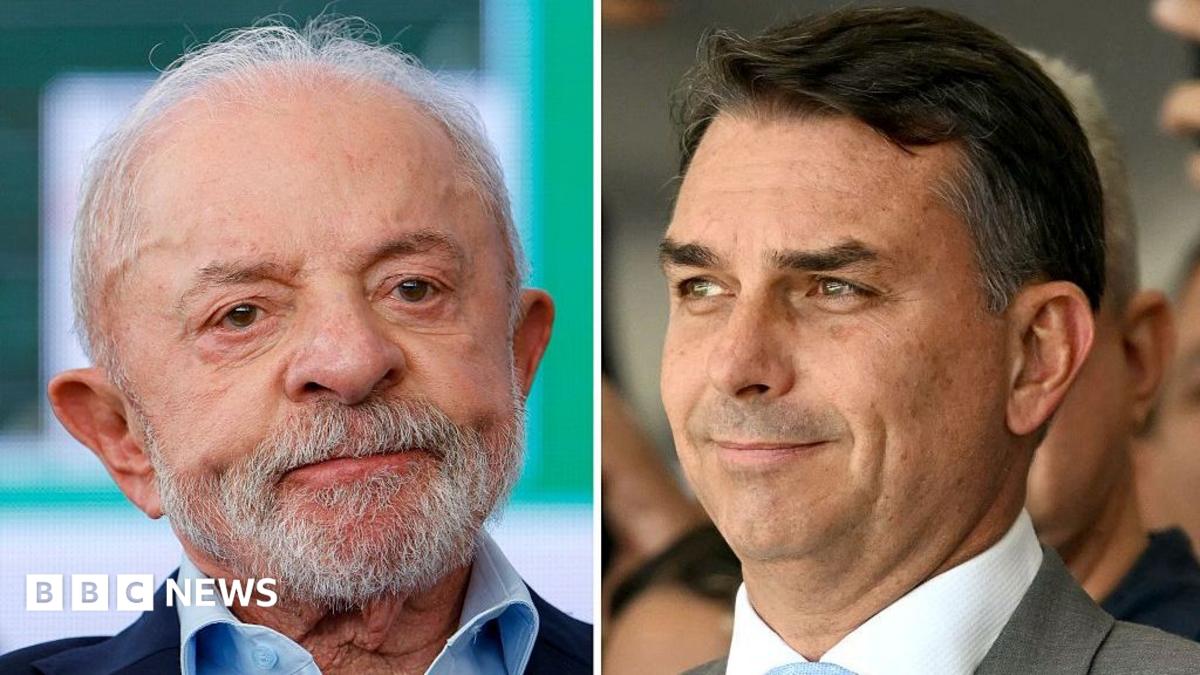
The Latin American country will vote for its next president, as Lula da Silva and Bolsonaro clash over sovereignty, security and ties with Washington. #ElectionInterference #BrazilUSRelations #LulaDaSilva

www.bbc.co.uk
Why has Brazil accused the US of election interference?
1594
BBC 1w

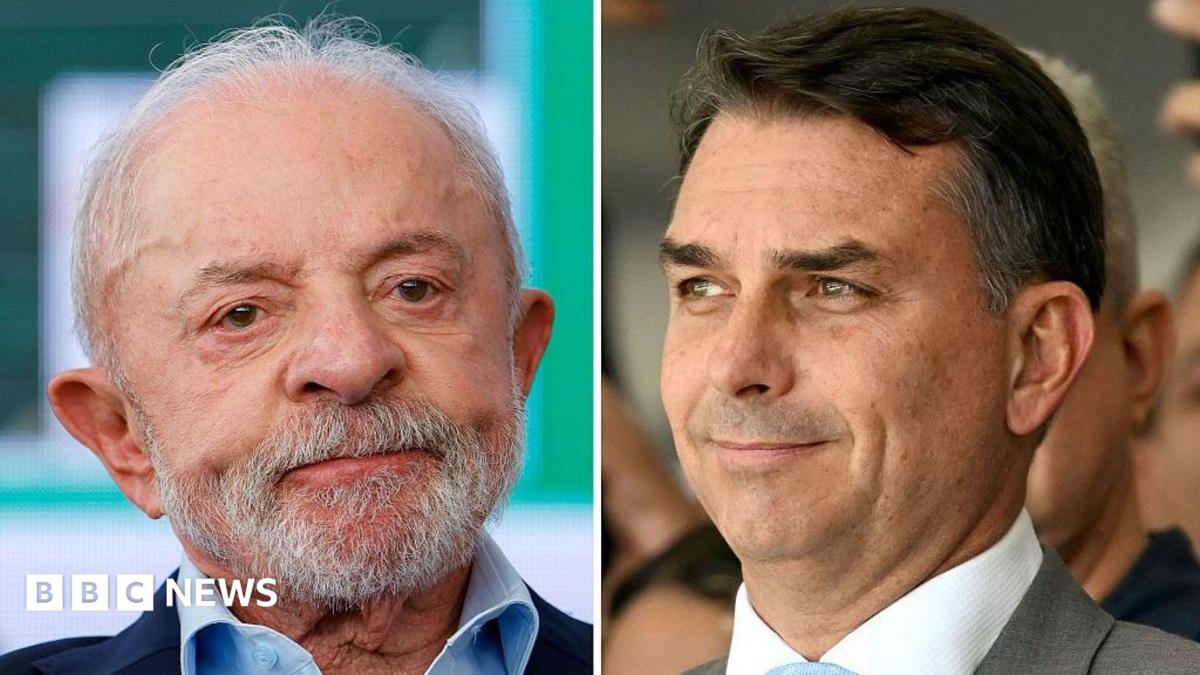
The Latin American country will vote for its next president, as Lula da Silva and Bolsonaro clash over sovereignty, security and ties with Washington. #BrazilElection #ElectionInterference #USInfluence

www.bbc.co.uk
Why has Brazil accused the US of election interference?
1594
Margus Tsahkna 2w

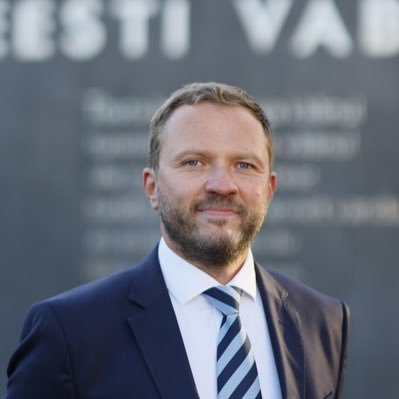
The Estonian Parliament said it had adopted a statement reaffirming Estonia’s unwavering support for Ukraine. It said Russia was seeking to undermine the international rules-based order through aggression, coercion and violence, and described Ukraine as defending not only its own sovereignty. #Eesti #Ukraina #ToetameUkrainat #EE #UA #RU

114
Margus Tsahkna 2w

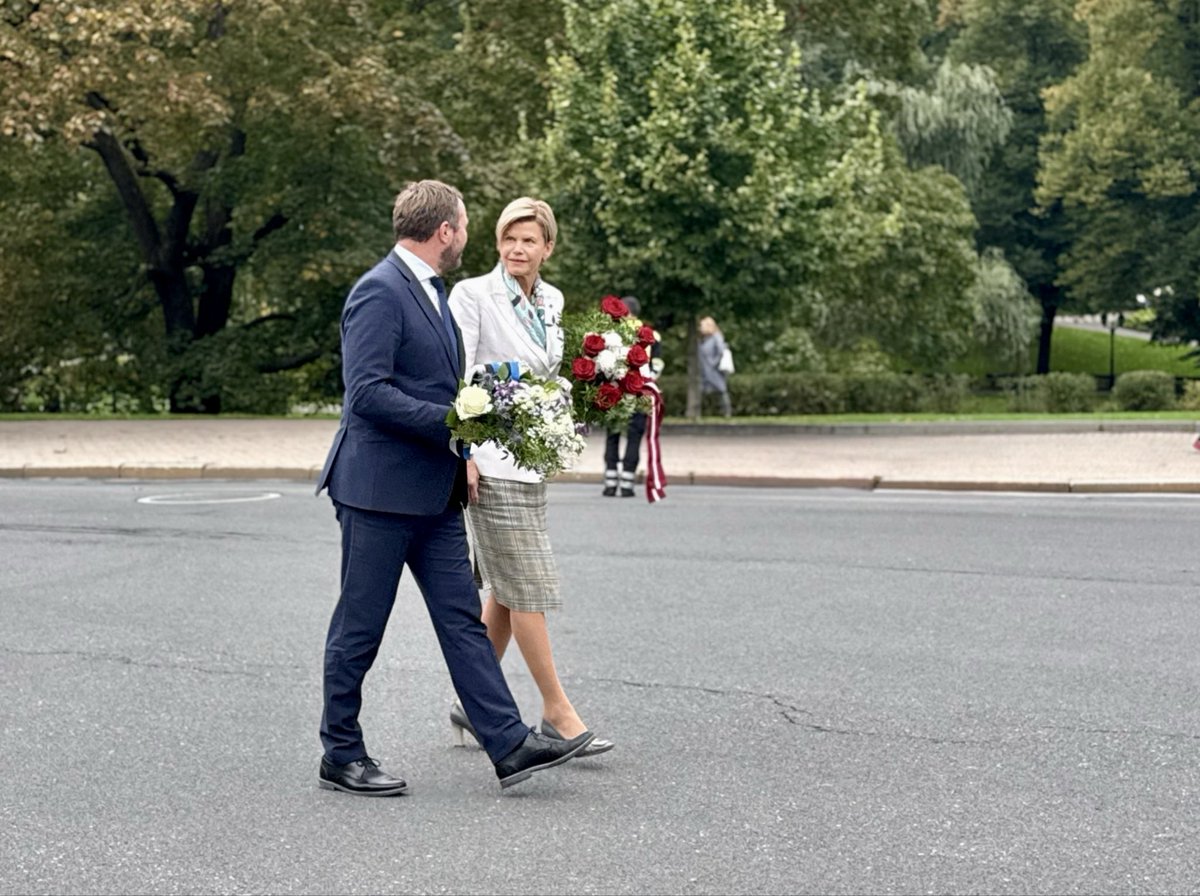
The author said they began a visit to Riga by laying flowers at the Freedom Monument with colleague Baiba Braže. They described it as a symbol of Latvia’s independence and sovereignty, honouring those who died for freedoms that Latvians, like Estonians, had to fight for. The post then began a statement about Ukrainians and included a link. https://t.co/KFPBa173ti #Riga #Latvia #Freedom #LV #EE #UA

458
Cristina Andersson 2w

If we let basic cognitive skills erode, we don’t just lose math or reading. We lose resistance. We lose sovereignty. And we become an open field for behavioural manipulation by anyone with access to the models. #CognitiveSkills #Manipulation #Sovereignty #Thetweetdoesnotmentionanyspecificcountries.Therefore #therearenocountrycodestoreturn.

Gunther Fehlinger-Jahn 2w

IRAQ LIBERATION WAS A SUCCESS 🇮🇶 My position is clear: the fall of Saddam Hussein’s dictatorship in 2003 was a historic achievement. U.S.-led forces entered Iraq in March 2003, Baghdad fell in April, and sovereignty was transferred to an Iraqi interim government in June 2004. https://t.co/OuLRltL3iv #IraqLiberation #SaddamHussein #USMilitarySuccess #IQ

Gunther Fehlinger-Jahn 2w

I call on NATO to support Syria in restoring full Syrian control over Tartus and its Mediterranean coast — if requested by the Syrian government. My position is clear: full Syrian sovereignty over Tartus, no permanent Russian military foothold on Syria’s Mediterranean coast, and https://t.co/BkPsuBsypj #Syria #NATO #Sovereignty #SY #RU

115
S
Sandfeen 2w

“Between 1979 and April 2024, we recorded 66,872 Islamist attacks worldwide. These attacks caused the deaths of at least 249,941 people. • 1979-2000: 2,194 attacks and 6,817 deaths. • 2001-2012: 8,265 attacks and 38,187 deaths. • 2013-April 2024: 56,413 attacks” - Islamist terrorist attacks in the world 1979-2024 “The military is the main target (34%) of Islamist terrorists, ahead of civilians (27.7%) and police forces (15.3%). • 1979-2000: military (343 attacks, 15.6%), civilians (530 attacks, 24.1%), police forces (408 attacks, 18.6%). • 2001-2012: military (1,410 attacks, 17.1%), civilians (2,506 attacks, 30.3%), police forces (1,424, 17.2%). • 2013-April 2024 : military (20,556) - Islamist terrorist attacks in the world 1979-2024 “Most (86.3%) of Islamist terrorist attacks have occurred in Muslim countries1. Similarly, the vast majority of deaths from Islamist terrorist attacks (88.9%) occurred in Muslim countries” - Islamist terrorist attacks in the world 1979-2024 “Number of Islamist terrorist attacks in Muslim countries: 57,726 attacks (86.3% of Islamist terrorist attacks worldwide). Number of deaths caused by Islamist terrorist attacks in Muslim countries: 222,236 deaths (88.9% of deaths caused by Islamist terrorist attacks worldwide)” - Islamist terrorist attacks in the world 1979-2024 “In this study, we define “terrorism” as political acts that meet the principle and criteria of the National Consortium for the Study of Terrorism and Responses to Terrorism (START). In this context, a terrorist act is presented as “the threat of the effective use or use of unlawful force and violence by a non-state actor in order to achieve political, economic, religious or social objectives, through fear, coercion or intimidation”8. This definition is extended to the enumeration of a set of characteristics specifying the nature of the terrorist act: – it must be intentional and result from a conscious calculation by the perpetrator; – it must include some level of violence or threat of imminent violence, whether physical or material; – the perpetrators of the incident must be non-state actors” - Islamist terrorist attacks in the world 1979-2024 “To complete without unduly complicating matters, one can refer in particular to the definition proposed by Edward Walker, because of its relative clarity and conciseness: “By ‘Islamism’, I mean the normative political ideology that has as its core program the establishment of Islam as a state religion and the implementation of Islamic law (shari’a). Militant Islamism, then, is any form of Islamism that advocates the use of violence to achieve Islamist objectives. This same distinction is made by Islamists themselves, who refer to ‘Parties of the Islamic Call’, or al-da’wa al Islamiyya (i.e., Islamist groups that do not advocate violence) on the one hand, and ‘Parties of the Muslim Revolution’, or al-thawra al-Islamiyya (i.e., Islamist groups that do advocate violence) on the other hand14. Acknowledging that there are no universally accepted definitions of Islamism and terrorism, some researchers characterise it as an ideology whose key tenets include: – Belief that Islam is not only a religion, but also a holistic sociopolitical system; – Advocacy of shari’a (Islamic) law as divine state law; – Belief that a transnational Muslim community, known as the Ummah, should unite as a political bloc; – Advocacy of an ‘Islamic’ state, or Caliphate, within which sovereignty belongs to God” - Islamist terrorist attacks in the world 1979-2024 “We have recorded 66,872 Islamist terrorist attacks that killed at least 249,941 people between 1979 and April 2024. Number of attacks: 66,872 Number of wounded: 192,598 Number of deaths: 249,941” - Islamist terrorist attacks in the world 1979-2024 “The possible estimate” should be between 300,000 and 400,000 deaths considering the victims of Islamist terrorism in Algeria, according to the hypotheses based on the best-known sources and the most reliable studies” - Islamist terrorist attacks in the world 1979-2024

691
Gunther Fehlinger-Jahn 2w

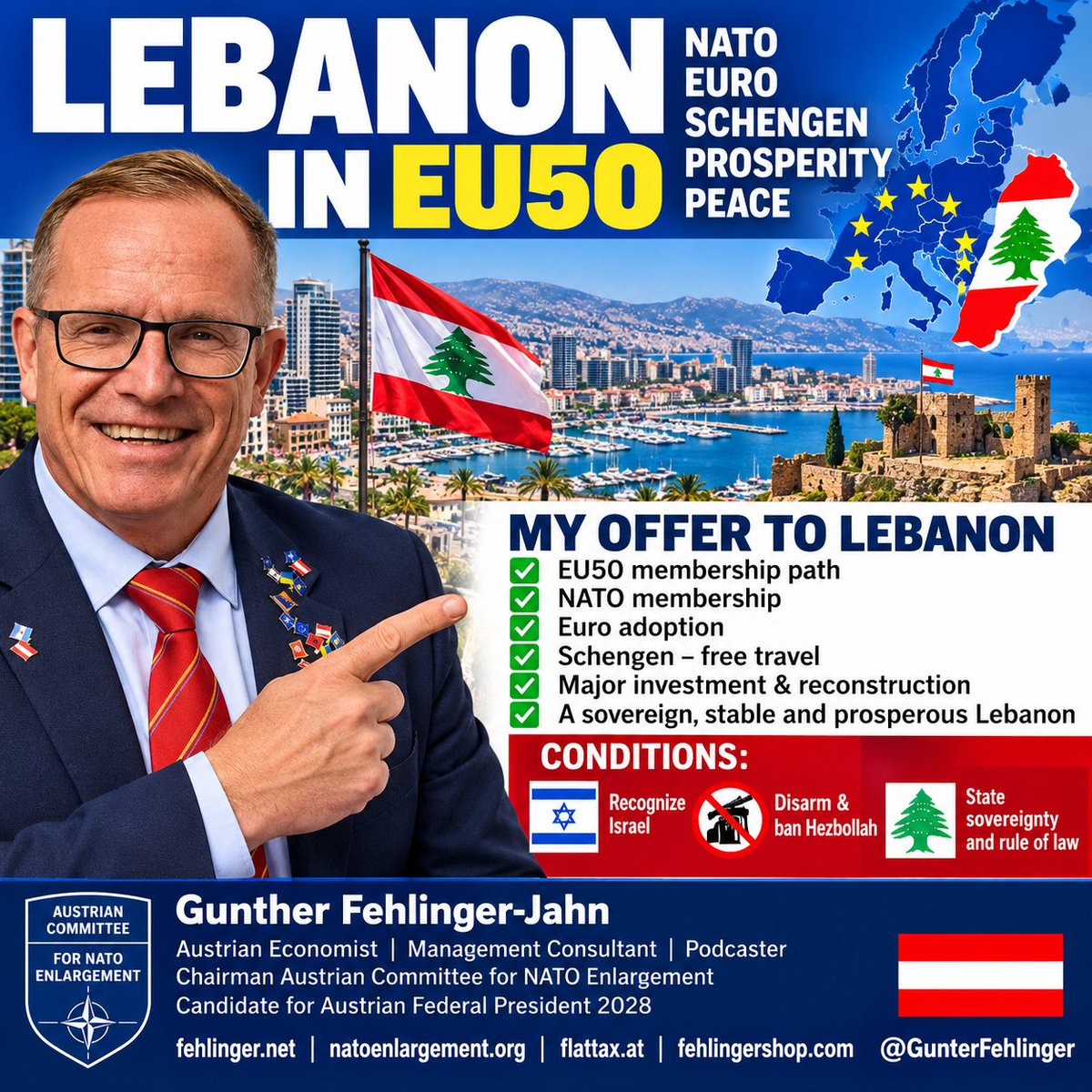
My proposal for Lebanon: a long-term path toward EU50, NATO, the Euro and Schengen, linked to peace with Israel, the disarmament of Hezbollah, full state sovereignty and the rule of law. @LBpresidency I want a sovereign, stable and prosperous Lebanon whose security institutions — https://t.co/RyveVOfoeK #Lebanon #Peace #Sovereignty #LB #EU #NATO #IL

115
Kacper Kita 2w

Absurdalne i szkodliwe na wielu poziomach. Sprawne posprzątanie tego bałaganu będzie papierkiem lakmusowym intencji przyszłego rządu - osadzenie w wartościach i przywiązanie do suwerenności czy tylko osobista zemsta. #Polska #sovereignty #government

13490