Minister of Justice Annelies Verlinden is requesting an additional budget at a time when the federal government needs to cut costs. #Beveiliging #Cookies #ToegangBlokkade (translated)
The author shared a Bloomberg headline saying JPMorgan had reported that deeply distressed US loans had risen to their highest level since the pandemic. https://t.co/HbcsS0Xz5H #USLoans #Economy #Finance #US
The Art of Uncertainty: How to Navigate Chance, Ignorance, Risk and Luck by David Spiegelhalter From the UK’s ‘statistical national treasure’, a clever and data-driven guide to how we can live with risk and uncertainty Life is uncertain. We are all the result of an unforeseen and unforeseeable sequence of small occurrences. But what underlies this fragile chain of events? Is it random or just complex? And what role does luck play in our lives? David Spiegelhalter has spent his career crunching data in order to help understand uncertainty and assess the chances of what might happen. In The Art of Uncertainty, he gives readers a window onto how we can all do this better. Uncertainty, he argues, is a relationship between the observer and an object in the outside world. He shows us how we can express it numerically, and then update our beliefs about the future in the face of constantly changing experience. In crystal-clear prose, he takes us through the principles of probability, a field that informs everything from annuities to pandemics and climate change, while also examining the limitations of statistical modelling and arguing we need to have the humility to admit our ignorance. Drawing on a wide range of real-world examples, this is an essential guide to navigating uncertainty in a world that makes it inevitable.
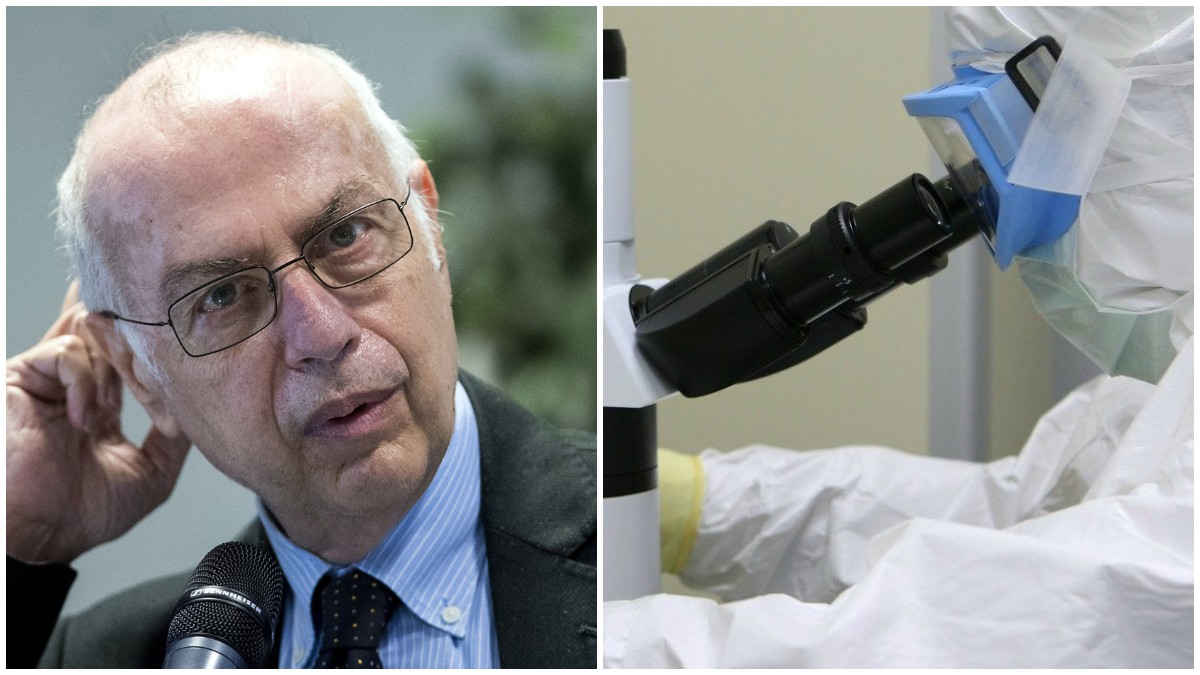
Epidemiologist Giovanni Rezza reassured that, although there has been one death in Siberia linked to pneumonia of unknown origin, the pandemic risk related to the plague remains low due to quarantine measures, and there is no evidence of antibiotic-resistant strains. #Peste #Siberia #Epidemiologia (translated)

Africa Daily Report — 6 October 2026 Major developments reported during the previous 24 hours. 1. Ethiopia — Airstrikes and artillery continue after federal forces retake Mekelle Airstrikes and artillery fire continued across northern Ethiopia after federal forces regained Mekelle. Reuters reported at least 17 deaths northwest of the Tigrayan capital, with additional casualties reported in Adwa and Sheraro. The renewed fighting is the sharpest escalation since the 2020–2022 war. Ethiopia accuses Eritrea, Sudan and Egypt of supporting the Tigrayan-led rebel alliance; all three deny involvement. Source: https://www.reuters.com/world/africa/airstrikes-artillery-hit-north-ethiopia-after-tigray-capitals-fall-aid-sources-2026-10-05/ 2. Nigeria — Military ATR-42 crashes in Ondo State, killing all 32 aboard Importance: 10/10 — Critical A Nigerian Air Force ATR-42 flying from Benin City toward Lagos crashed near Igbokoda in Ondo State. Reuters reported that all 32 people aboard — 25 passengers and seven crew — were killed. President Bola Tinubu ordered the Air Force to investigate the cause. Source: https://www.reuters.com/world/africa/nigerian-military-helicopter-carrying-32-passengers-crew-members-crashes-2026-10-05/ 3. Senegal — Deadly floods hit Dakar and other regions Importance: 9/10 — Very High Heavy rainfall exceeding 100 mm in several locations caused flooding, casualties, injuries and major disruption in Dakar and other parts of Senegal. Reuters reported deaths and infrastructure damage; Senegal's Interior Ministry confirmed fatalities and injuries, while the government activated an emergency regional plan for Dakar. Further rain was forecast. Source: https://www.reuters.com/business/environment/heavy-rains-lead-to-senegal-floods-government-reports-several-deaths-2026-10-05/ 4. Ethiopia / Red Sea — Abiy reiterates demand for negotiated sea access Prime Minister Abiy Ahmed again said landlocked Ethiopia requires access to the Red Sea and argued that a negotiated, mutually beneficial arrangement is necessary. The statement comes amid deteriorating relations with Eritrea and renewed fighting in Tigray. Eritrea, Egypt, Sudan and Somalia have meanwhile stressed the sovereign role of Red Sea littoral states. Source: https://apnews.com/article/bad74909a59297de524fdf377f0605c2 5. Sudan — US envoy meets army chief Abdel Fattah al-Burhan in Egypt US Senior Advisor for Arab and African Affairs Massad Boulos met Sudanese army chief Abdel Fattah al-Burhan in Egypt. Boulos said Washington would continue working with Egypt and other partners toward a political solution to Sudan's war. The meeting came amid continuing US-backed diplomatic efforts to secure a ceasefire. Source: https://www.aol.com/articles/us-envoy-meets-sudanese-army-224042000.html 6. South Africa — Private-sector contraction deepens in September Importance: 8/10 — High South Africa's private sector contracted at its fastest pace since December, according to September PMI data reported by Reuters. New orders fell sharply while supply-chain disruption and higher costs, particularly fuel costs, added pressure on businesses. Source: https://www.reuters.com/world/africa/south-africa-private-sector-contracts-fastest-pace-since-december-pmi-shows-2026-10-05/ 7. Somalia — IMF cuts 2026 growth forecast to 2.3% Importance: 8/10 — High The IMF expects Somalia's economy to grow by only 2.3% in 2026, citing sharp reductions in foreign aid, recurrent climate shocks, spillovers from the Middle East conflict and domestic uncertainty. Inflation is projected at 6.5%, while growth is expected to recover gradually in 2027 and over the medium term. Source: https://www.channelafrica.co.za/channelafrica/news/imf-cuts-somalias-2026-growth-forecast-to-2-3/ 8. Guinea — Opposition leader Aliou Bah released following presidential pardon Opposition leader Aliou Bah, head of the Liberal Democratic Movement, was released after receiving a presidential pardon. He had been detained since December 2024 and was serving a two-year sentence for offences linked to remarks about President Mamadi Doumbouya. His case had also reached the ECOWAS Court of Justice, which had sought his release. Source: https://www.africanews.com/2026/10/05/guinea-opposition-leader-aliou-bah-freed-after-presidential-pardon/ 9. Uganda / African security — Kampala hosts conference on emerging security threats Importance: 7/10 — High Uganda opened a four-day Conference on Military Operations Other Than War, bringing together defence and security representatives from African states and regional organizations. The agenda covers cybersecurity, AI, unmanned systems, terrorism, disaster response, climate security, maritime and border security, critical infrastructure and pandemics. Source: https://ubc.go.ug/2026/10/05/uganda-hosts-inaugural-conference-on-military-operations-other-than-war/ 10. West Africa — BCEAO authorises 175 institutions for interoperable instant payments Importance: 8/10 — High The Central Bank of West African States has authorised 175 institutions to participate in the region's interoperable instant-payment ecosystem. Participants include banks, electronic-money institutions, fintech companies and microfinance institutions, broadening the infrastructure for cross-provider digital payments across the West African Monetary Union. Source: https://techafricanews.com/2026/10/05/bceao-authorises-175-institutions-interoperable-instant-payments/ #Africa #AfricaNews #TopNewsOfAfrica #Senegal #Dakar #SenegalFloods #Floods #HeavyRain #ExtremeWeather #ClimateRisk #HumanitarianCrisis #SouthAfrica #SouthAfricaEconomy #PMI #PrivateSector #EconomicContraction #AfricanEconomy #Business #Ethiopia #Tigray #Mekelle #EthiopiaConflict #Airstrikes #Artillery #FederalForces #RegionalSecurity #HornOfAfrica #AfricanSecurity #Geopolitics #wrldorg
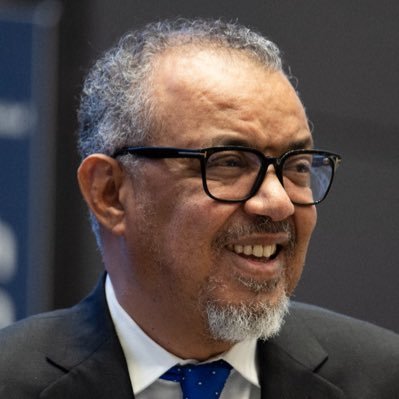
La próxima pandemia es una cuestión de cuándo, no de si ocurriráEl director general de la Organización Mundial de la Salud (OMS), Tedros Adhanom Ghebreyesus, urgió este viernes a cerrar el tratado global pandémico ante la certeza de que ocurrirá una nueva pandemia: "Es una cuestión de cuándo" sucederá. #Pandemia #OMS #CooperaciónGlobal
El director de la OMS, Tedros Adhanom Ghebreyesus, instó a finalizar el tratado pandémico para garantizar una cooperación global necesaria para enfrentar futuras pandemias, afirmando que la próxima es solo una cuestión de tiempo. #Pandemia #OMS #CooperaciónGlobal

Pandemic Preparedness is not built during a crisis. It must be built before the crisis hits That means investing in surveillance, vaccines & treatments, resilient supply chains.@UN declaration recognises this. The current #Ebola outbreak in 🇨🇩 sadly reminds us why this matters. https://t.co/phlSbFMUNF #PandemicPreparedness #PublicHealth #Ebola #CD
The cost of inaction far outweighs the price of preparedness #G20HLIPanel We need better tracking of pandemic preparedness spending & action to close financing gaps. 🇪🇺 is working with the @OECD & @WHO to track PPR spending & continues to invest in MCM development. Speed matters https://t.co/F6sAWFs8YV #PandemicPreparedness #FinancingGaps #GlobalHealth #EU
Unfortunately, the big majority of Europeans have no idea of what is about to come. They’ll be shocked and surprised just as they were at Covid pandemic’s time. #Europe #Pandemic #Awareness #EU
This week's episode of viroLOGICAL is about the 1918 Spanish influenza pandemic. Between 20 and 100 million people lost their lives in that pandemic. ➡️ Spotify: https://t.co/ijZFk6dhCN ➡️ Apple Podcasts: https://t.co/L2q2NtbKdr #SpanishFlu #PandemicHistory #viroLOGICAL #Therearenospecificcountrymentionsinthetweet.
Ekonom Tomáš Havránek varuje, že navrhovaný schodek státního rozpočtu Česka na rok 2027, který činí 389 miliard korun, je důsledkem pandemických opatření a varuje před budoucími problémy spojenými s klesající porodností, přičemž navrhuje alternativní způsoby zvyšování příjmů, jako jsou agresivnější investice centrální banky a reforma rozpočtového hospodaření, aby se předešlo inflaci jako nejpravděpodobnějšímu řešení. #státnírozpočet #inflace #veřejnéfinance

Olari Elts, the chief conductor of the Estonian National Symphony Orchestra, emphasizes the importance of supporting culture despite security concerns, noting that while the orchestra is thriving artistically and recovering audience numbers post-pandemic, ongoing underfunding poses a serious threat to the sustainability of Estonian culture. #OlariElts #ERSO #kultuuriRahastamine

L’Europa ci ha salvato dalle grandi crisi di questo secolo: il “whatever it takes” di Mario Draghi con la crisi dei debiti sovrani del 2011; il PNRR e il piano SAFE durante la crisi pandemica; il sostegno all’Ucraina dopo l’invasione russa. Esempi concreti e reali di come non https://t.co/ovUIw3lxV7 #Europa #crisi #solidarietà #EU #UA #RU
Sadly, today marks the end of our CIVICs program (https://t.co/9el8Jzf2Vn). The program was highly successful in terms of influenza vaccine development but also in terms of responding to the COVID-19 pandemic. It is sad to see the valuable structures that were built dissolving. #CIVICs #Vaccines #COVID19 #Thetweetdoesnotspecificallymentionanycountries.
Studio di Harvard sul Festival di Street Art Stramurales (Stornara Life APS) Pubblicato sul National Law Review SOURCE: https://www.linkedin.com/pulse/studio-di-harvard-sul-festival-street-art-stramurales-sardella-ph-d--helof/ C’è un piccolo comune di seimila abitanti nel cuore della Puglia che è oggigiorni sulle pagine di più autorevoli pagine della websfera del panorama globale. Si chiama Stornara e da diversi anni ospita lo Stramurales International Street Art Festival, il festival internazionale di arte urbana fondato nel 2018 dall’artista locale Lino Lombardi sotto l’egida dell’associazione Stornara Life APS. Uno studio di Harvard dedicato a Stramurales La notizia che sta facendo il giro del mondo è questa: l’Health and Human Rights Journal del FXB Center for Health and Human Rights della Harvard University ha pubblicato uno studio peer‑reviewed — il primo nella storia interamente dedicato a un singolo festival di street art — che identifica Stramurales come modello replicabile di intervento comunitario per la promozione della salute mentale. Da paese in declino a museo a cielo aperto Prima del 2018, Stornara seguiva il destino di molti piccoli centri del Mezzogiorno: serrande abbassate, giovani in partenza e un futuro incerto. Tra il 2002 e il 2017 il Sud Italia aveva perso circa due milioni di residenti. Poi è arrivato il festival. A distinguere Stramurales da tante altre iniziative murali europee, spiegano gli autori dello studio, Luciano Magaldi Sardella (Aspire Institute, Harvard Business School) e Matteo Mantuano (docente di scienze sociali e salute psico‑educativa a Unitre Milano), è la sua architettura di partecipazione democratica. I temi dei murales vengono scelti dalla comunità; i proprietari degli edifici aderiscono liberamente; l’associazione resta aperta a tutti, evitando quelle forme di “cattura elitaria” che altrove hanno compromesso progetti simili. Oggi Stornara conta oltre 150 murales realizzati da artisti provenienti da ogni continente, visitabili come in un museo permanente a cielo aperto. I numeri parlano chiaro Tra il 2020 e il 2025, gli anni segnati dalla crisi pandemica, i ricavi turistici di Stornara sono cresciuti del 25%. Nuove attività hanno riaperto in locali da tempo vuoti. La comunità ha registrato una riduzione dell’isolamento sociale, un rinnovato senso di partecipazione civica e una ritrovata fiducia nel proprio futuro collettivo: risultati che le tradizionali politiche di sviluppo rurale non erano riuscite a ottenere. Lo studio richiama il diritto alla salute e il diritto alla vita culturale sanciti dal diritto internazionale, definendo i murales come una forma di “attivismo sanitario visivo”, ovvero arte pubblica che interviene sui determinanti strutturali della salute. Un paradigma per il mondo La conclusione degli autori è netta: i finanziamenti per la salute pubblica dovrebbero sostenere iniziative culturali partecipative come Stramurales, soprattutto nelle comunità in cui le strategie economiche convenzionali hanno fallito. I costi sono contenuti — materiali, ospitalità per gli artisti, promozione — mentre i benefici in termini di benessere collettivo risultano, secondo lo studio, sproporzionatamente elevati. Stornara diventa così un punto di riferimento non solo per i decisori regionali italiani, ma anche per le autorità sanitarie di Nord America, Europa e oltre. Un piccolo centro pugliese che ha scelto di dipingere il proprio futuro — letteralmente — e che ora mostra al mondo come si può fare.
Harvard University Study on Stramurales Street Art (Stornara Life APS) in the National Law Review SOURCE: https://www.linkedin.com/pulse/harvard-university-study-stramurales-street-art-life-sardella-ph-d--y6lcf/ There is a small township of six thousand souls in the heart of Puglia that has just secured a place within the distinguished pages of one of the world’s foremost web sphere news. Its name is Stornara, and for several years it has been home to the Stramurales International Street Art Festival — the international festival of urban art founded in 2018 by the local artist Lino Lombardi under the auspices of Stornara Life APS. The news now circling the globe is this: the Health and Human Rights Journal of the FXB Center for Health and Human Rights at Harvard University has published a peer‑reviewed study — the first in history to be devoted entirely to a single street art festival — identifying Stramurales as a replicable model of community-based intervention for the promotion of mental health. From a village in decline to an open‑air museum Before 2018, Stornara followed the all‑too‑familiar trajectory of hundreds of small towns across southern Italy: shuttered shops, young people departing in search of opportunity, and an uncertain future. Southern Italy had lost approximately two million residents between 2002 and 2017. Then the festival arrived. What set Stramurales apart from so many other mural initiatives across Europe, the authors of the study – Dr Luciano Magaldi Sardella (Aspire Institute, Harvard Business School) and Professor Matteo Mantuano (lecturer in social sciences and psycho‑educational health at Unitre Milano) – explain, is its architecture of democratic participation. The themes of the murals are chosen by the community; building owners join freely; and the association remains open to all in order to avoid the kind of ‘elite capture’ that has undermined similar projects elsewhere. Today, Stornara boasts more than 150 murals created by artists from every continent, freely accessible as though part of a permanent open‑air museum. The numbers speak for themselves Between 2020 and 2025 — years that encompassed the full force of the pandemic crisis — Stornara’s tourism revenues grew by 25 per cent. New businesses reopened in once‑vacant premises. The community recorded a reduction in social isolation, a renewed sense of civic engagement, and a restored confidence in its collective future: outcomes that traditional rural development policies had failed to deliver. The study cites the right to health and the right to cultural life enshrined in international human rights law, framing the murals as a form of ‘visual health activism’ — public art that addresses the structural determinants of health. A paradigm for the world The authors’ conclusion is unequivocal: public health funding should support participatory cultural initiatives such as Stramurales, particularly in communities where conventional economic strategies have failed. The costs are modest — materials, hospitality for the artists, promotion — while the returns in terms of collective well‑being are, in their assessment, disproportionately high. Stornara thus becomes a point of reference not only for regional policymakers in Italy but also for public health authorities across North America, Europe and beyond. A small Puglian town that chose to paint its own future — quite literally — and is now showing the world how it can be done.