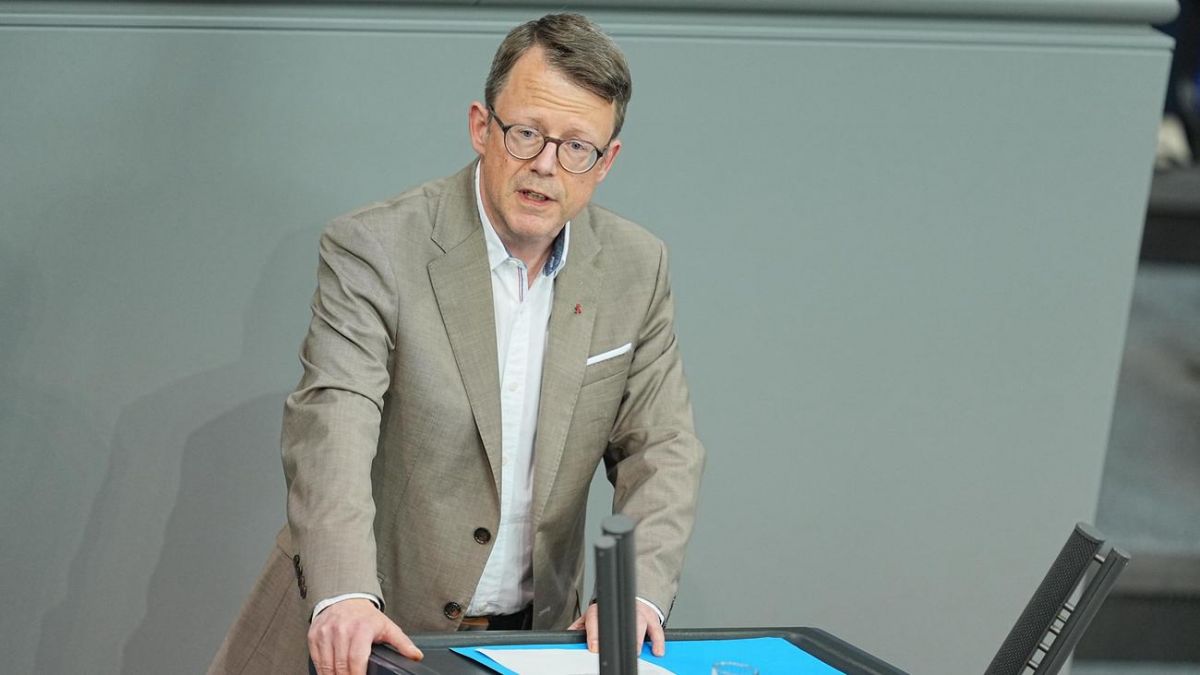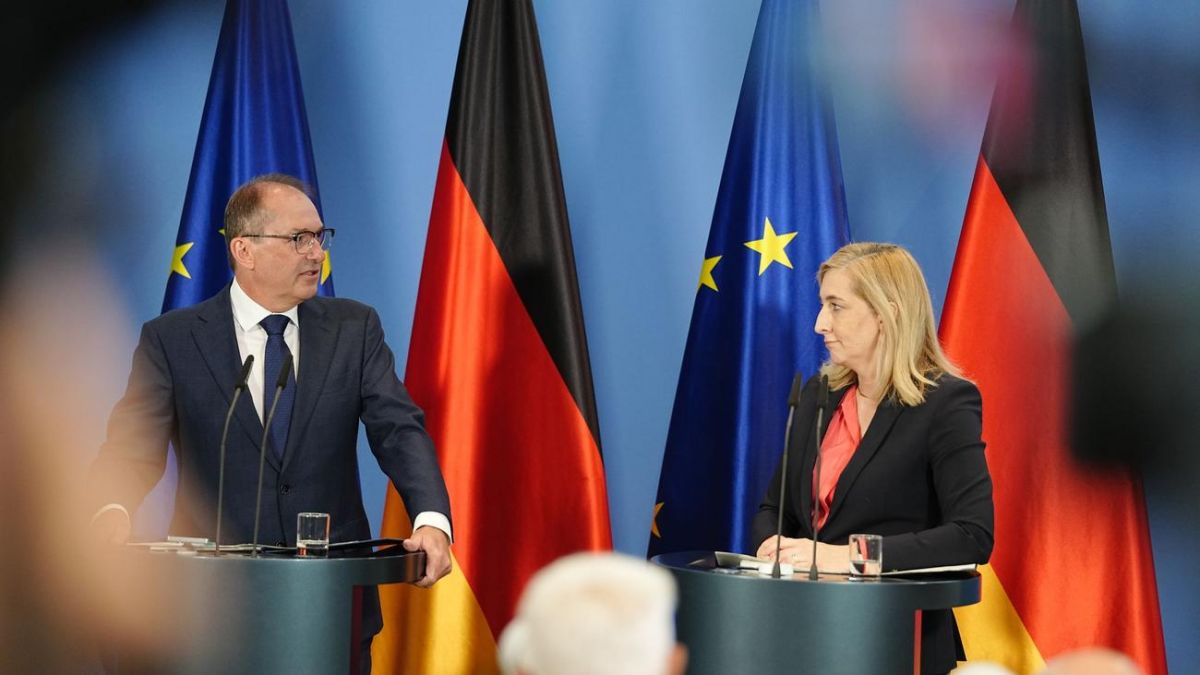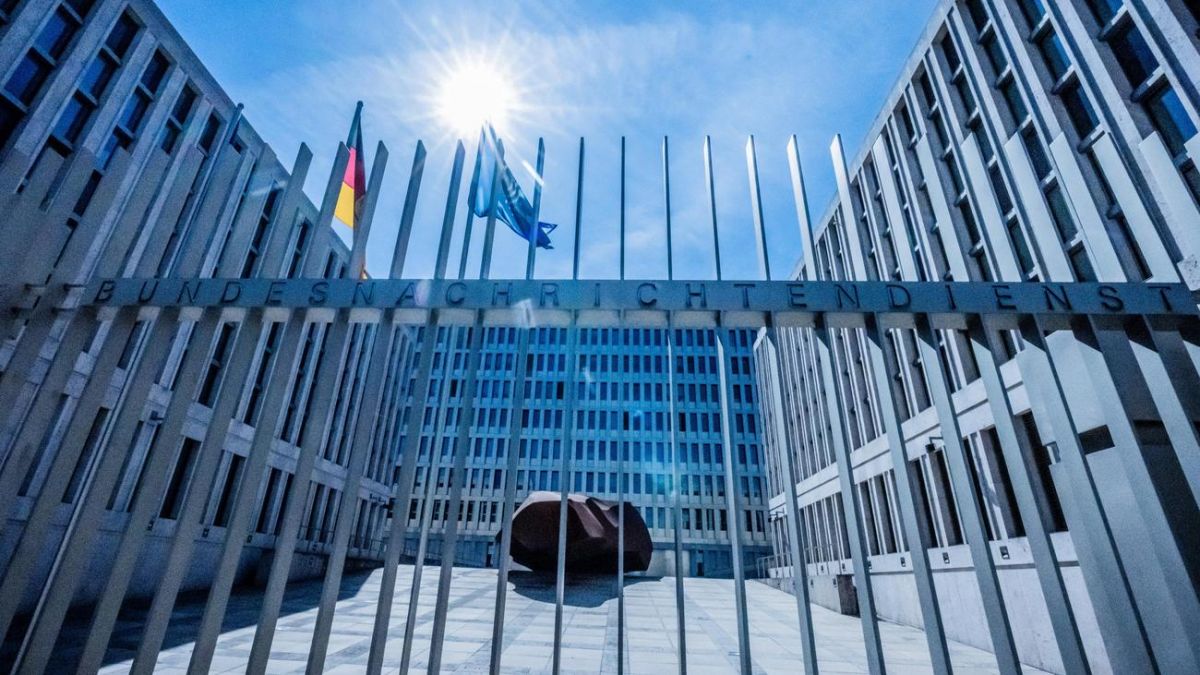
Hans von der Burchard reported that BND chief Martin Jäger warned during a intelligence hearing in the Bundestag of a growing threat from Russia. Germany could become involved in a violent conflict with Russia; the attempted attack in Leipzig is an example of this. According to Jäger, no other country currently poses a similarly direct and comprehensive threat. Russia is pushing for confrontation because Germany does not accept Moscow's policies and its attack on Ukraine, and supports its alliance partners. Jäger stated that Russia is assessing Germany's reaction and interprets any sign of uncertainty as an invitation for further pressure. Vladimir Putin cannot simply end the war against Ukraine without jeopardizing his power base at home, and therefore must demonstrate success. Although the Russian leadership is aware of the limits of their military and economic means, they compensate for weaknesses with repression, resource allocation towards the war, as well as determination and willingness to take risks. Moscow assumes that the West will not withstand the pressure and relies on its weaknesses. For the upcoming winter, Jäger expects particularly harsh Russian attacks on Ukraine. Russia may also attempt to disrupt Western arms production and deliveries using military means, and to weaken Europe’s support for Ukraine through intimidation and interference. He anticipates renewed nuclear threats. Currently, there are no indications of a large-scale Russian attack on NATO territory; however, low-level military activities, especially in the Baltics, as well as so-called false-flag operations cannot be excluded. Jäger described Russia's actions as a shadow war and warned of a continuing real danger of attacks in Germany. According to von der Burchard, the BND sees itself as the first line of defense; the contribution referred to an intelligence reform with new powers. #Russland #Ukraine #Sicherheit (translated)