WRLD

Search

#Hollow
Ian Holloway 15h

Ian Holloway, former coach of Blackpool, has once again sharply and without mercy accused City of destroying the identity of English football, calling for a drastic punishment, even expulsion from the professional leagues. #PremierLeague #Liverpool #ManchesterCity (translated)

Zaziva se oduzimanje titula, neki pričaju o izbacivanju iz nogometa, a City sada stiže u grotlo bijesa
www.jutarnji.hr

2083
Jorge_Most 2w

ROUTINE FOR THE NEXT DAYS OF FORTNITEMARES. - Freddy Krueger: October 2. - Black Clover: October 3. - Halloween Horror Nights: October 5. - Hollow Knight: October 7. - Reload/Kado Thorne Map: October 8. https://t.co/GrevcwK8Vl #Fortnitemares #Halloween #Videojuegos (translated)

45613
Marko Mihkelson 🇪🇪🇺🇦🇪🇺 2w

The European Security Council will achieve nothing unless political will changes in the capitals. Institutions are nothing more than hollow bureaucracies without the will to fight - and to win. #EuropeanSecurity #PoliticalWill #Bureaucracy #EU

230
SB 2w

🚨 Belmont Cameli e Sydney Sweeney irão estrelar Hollow, releitura de A Lenda do Cavaleiro Sem Cabeça. #Hollow #BelmontCameli #SydneySweeney

37020
Петър Дочев 3w

Информацияна, която съобщих на Си Зин Пин. Ключово значение за интелектуалността има УВ облъчването, което се усилва от север на юг. В Южна Европа то е 30% по-силно от в Северна Европа, а на екватора е 70% по силно. Ефектът върху хората е в синтезирането в кожата на витамин Д, който се трансформира в полови хормони. Те определят външния вид, емоционалността и интелектуалността. Северняците са интелектуални, южняците са емоционални. Емоционалността задушава разума. Всеки градус движение на север и на юг усилват южняшките и северняшките качества. В южните части на южното полукълбо се наблюдава дебилност, в Австралия и Южна Америка. Икономиката и цивилизацията са продукт на интелектуалността. Интелектуалността е в научно-откривателското мислене насочено към решаване на проблемите на живота. Ключово значение има оценката на важните факти, изхвърляне на маловажните факти и създаване на тяхна основа на нови хипотези и теории. Разбирането на важни открития на другите хора ги прави собствено притежание и това също е научно-откривателско мислене. Всичко друго не е интелектуалност. Ключово значение за развитието на икономиката имат иновациите и те стават все по важни. Това е внедряване на нови научни открития в практиката. Южняците нямат научно мислене, нямат наука и научни открития и абсолютно никакви иновации. Те всичко заимстват от Северните Европейци. Те имат тези качества и само те имат иновации. Лидираща роля имат европейските преселници в САЩ. Многобройността на интелектуалното население е много важно за проявленията на интелектуалността. Това е точно като критичната маса при атомния взрив. Руснаците са най-интелектуални, но те нямат механизма осъществяващ иновациите свободната пазарна икономика. Творческа икономика може да има само при ниски данъци и свобода от опеката на властта. Двигател са супер високите печалби. Нови открития се внедряват в практиката защото те са най-печеливши. Високото данъчно облагане което е в полза на властта, изземва парите на икономиката и на гражданите, което убива производството, потреблението и творческите иновации в икономиката, в следствие на възможността успешните, конкурентни фирми да имат свръх печалби. Именно свръх печалби, защото те са единствения мощен стимулатор за решаването на новаторските внедрявания, които са най-рискови и най-опасни от загуба и фалит. Точно това който не е разбрал нищо не разбира от модерна икономика. Интелектуалността е познаване на истината. Словото е красиво и убедително, когато съобщава истини. Слово не основано на истината е фалшиво маниерничене. В френките автори на афоризми Ларош Фуко, Лабруер, Блез Паскал, Маркиз Вовнарк има много голяма концентрация на истини за живота и те развиват вкус към истината е към лъжата. Големият немски философ Хегел твърди, че китайското мислене е митологично, ненаучно и само античното Гръцко и европейското мислене е научно. Интелигентността не се придобива чрез образование; тя се наследява генетично от родителите. Тя произтича от богата капилярна мрежа в мозъка – генетично предавана характеристика, – която осигурява обилно снабдяване с кислород. Тази черта е особено силно изразена сред евреите и арменците в резултат на много поколения (до 800) цивилизован начин на живот, който ги е предпазил от тежкия физически труд в примитивното земеделие – труд, който лишава мозъка и сърцето от кислород, като по този начин намалява интелигентността и съкращава продължителността на живота. Евреите са направили по-голямата част от откритията, жизненоважни за човечеството, което недвусмислено доказва тяхната интелигентност. Твърди се, че 7-те милиона евреи в Израел превъзхождат Китай, въпреки че населението на последната страна наброява 1,4 милиарда души. Северните европейци също притежават висока интелигентност поради студения климат; студеният въздух е по-плътен и доставя повече кислород от топлия. Снабдяването на мозъка с кислород е единственият определящ фактор за високата интелигентност. Ашкеназките евреи, живеещи в Северна Европа, са изключително интелигентни поради две причини: генетично заложената интелигентност и студеният климат. Доказано е, че те са най-интелигентните хора в света. За разлика от тях, южните сефарадски евреи демонстрират потисната интелигентност. Разделителната линия между Севера и Юга е 43-тият паралел; на юг от тази линия повишената емоционалност потиска интелигентността. Китай се намира на юг от 43-тия паралел и няма история на градски живот – истинското проявление на интелигентността, – като вместо това в продължение на хиляди години се е опирал на масово примитивно земеделие. Here is the information I conveyed to Xi Jinping. UV radiation plays a key role in intellect, and its intensity increases from north to south. In Southern Europe, it is 30% stronger than in Northern Europe, while at the equator, it is 70% stronger. Its effect on humans involves the synthesis of Vitamin D in the skin, which is then transformed into sex hormones. These hormones determine physical appearance, emotionality, and intellect. Northerners are intellectual; Southerners are emotional. Emotionallity stifles reason. Every degree of movement northward or southward intensifies these respective "Southern" or "Northern" traits. Instances of intellectual deficiency are observed in the southern parts of the Southern Hemisphere—specifically in Australia and South America. Economy and civilisation are products of intellect. Intellect manifests as scientific, discovery-oriented thinking aimed at solving life's problems. Key factors include evaluating significant facts, discarding trivial ones, and formulating new hypotheses and theories based on the remaining information. Grasping the important discoveries made by others—thereby making them one's own—also constitutes scientific, discovery-oriented thinking. Anything else falls outside the realm of intellect. Innovation is crucial for economic development and is becoming increasingly important; it involves the practical application of new scientific discoveries. Southerners lack scientific thinking, science, and scientific discoveries, and they produce absolutely no innovations. They borrow everything from Northern Europeans. Northern Europeans possess these qualities and are the sole source of innovation. European settlers in the USA play a leading role in this regard. The size of the intellectual population is crucial for the manifestation of intellectuality; it is akin to the critical mass required for a nuclear explosion. Russians possess a high level of intellectuality, yet they lack the mechanism that drives innovation: the free-market economy. A creative economy can only flourish amidst low taxes and freedom from state control. Super-high profits serve as the driving force; new discoveries are put into practice precisely because they yield the greatest returns. High taxation—which benefits the state—drains capital from the economy and citizens alike, stifling production, consumption, and creative innovation. It eliminates the possibility for successful, competitive firms to generate "super-profits"—profits that are essential, as they provide the only powerful incentive to pursue innovative implementations, which carry the highest risks of loss and bankruptcy. Anyone who fails to grasp this point understands nothing about the modern economy. Intellectuality is the knowledge of truth. Speech is beautiful and persuasive only when it conveys truth; speech not grounded in truth is merely hollow affectation. The French aphorists—La Rochefoucauld, La Bruyère, Blaise Pascal, and the Marquis de Vauvenargues—offer a profound concentration of truths about life, cultivating a discerning taste for truth versus falsehood. The great German philosopher Hegel argued that Chinese thought is mythological and unscientific, asserting that only ancient Greek and European modes of thought are truly scientific. Intelligence is not acquired through education; it is genetically inherited from one's parents. It stems from a rich capillary network in the brain—a genetically transmitted trait—that ensures a high oxygen supply. This characteristic is particularly pronounced among Jews and Armenians, a result of many generations (up to 800) of civilized living that spared them from the grueling physical labor of primitive agriculture—labor that deprives the brain and heart of oxygen, thereby diminishing intelligence and shortening lifespans. Jews have made the majority of discoveries vital to humanity, which unequivocally demonstrates their intelligence. It is claimed that the 7 million Jews in Israel surpass China, despite the latter's population of 1.4 billion. Northern Europeans also possess high intelligence due to the cold climate; cold air is denser and delivers more oxygen than warm air. Oxygen supply to the brain is the sole determinant of high intelligence. Ashkenazi Jews living in Northern Europe are exceptionally intelligent for two reasons: genetic intelligence and the cold climate. They are proven to be the most intelligent people in the world. Southern Sephardic Jews, by contrast, exhibit suppressed intelligence. The dividing line between North and South is the 43rd parallel; south of this line, heightened emotionality stifles intelligence. China lies south of the 43rd parallel and lacks a history of urban life—the true manifestation of intelligence—having instead relied on mass primitive agriculture for thousands of years.

579
La Sueur 4w

Salahdine Parnasse 🇫🇷 pense avoir les armes pour battre Max Holloway. 👀 🗣 "Je me trouve plus complet. Ce serait un bon test." https://t.co/VHt4hT6S7D #MMA #CombatSport #ParnasseHolloway

19979
La Sueur Sep 8

Salahdine Parnasse 🇫🇷 insiste pour affronter Max Holloway ! 👀 🗣 "J’ai beaucoup de respect pour lui, car c’est une légende. Je ne suis pas trop dans le trash-talking, je suis quelqu’un de très humble. Si on peut faire ce magnifique combat, ce serait bien." https://t.co/vxdQFPfudW #MMA #UFC #SalahdineParnasse

41053
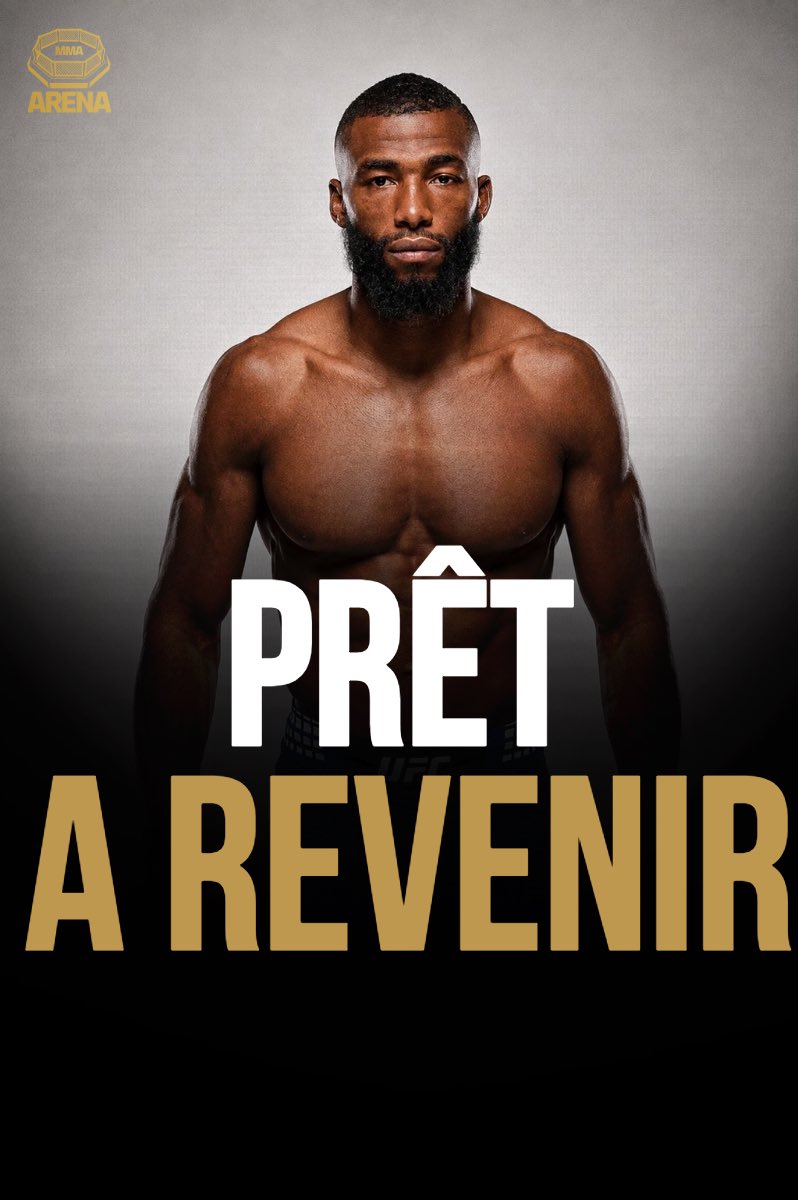
ARENA Sep 8

🚨🚨 SALAHDINE PARNASSE 🇫🇷 ANNONCE VOULOIR REVENIR DÈS QUE POSSIBLE DANS LA CAGE IDÉALEMENT CONTRE UN TOP 5 !!!!!! IL A DÉJÀ REPRIS L’ENTRAINEMENT INTENSE ! LE NUMÉRO 9 DE L’UFC MET LE PRESSING POUR MAX HOLLOWAY ! Via Ariel Helwani https://t.co/QVSLYbPMIw #UFC #SalahdineParnasse #MaxHolloway

20993
Patryk Prokulski Sep 6

Gość wchodzi, nokautuje Hookera na luziku w 2,5 minuty i wywołuje do tablicy Hollowaya. Nie sądzę, żeby go jeszcze dostał, ale tak się wjeżdża na salony. Debiut, który odbije się szerokim echem. Wzorowy wieczór Salaha od A do Z 👏 #MMA #Debiut #Sport

16701
Cartoons On The Moon Sep 5

Un día como hoy hace un año, «Hollow Knight: Silksong» logró estrenarse tras 7 años en desarrollo. https://t.co/fFTW3SfZYP #HollowKnight #Silksong #Videojuegos

86108
S
Sandfeen Aug 28

Why Weak Societies Choose Tyranny The pinnacle of tyranny would be a system that allows politicians, elites, and bureaucrats to control a population without force or coercion because the people love their servitude. Aldous Huxley wrote Brave New World, an eerily relatable dystopian novel, with this idea at the forefront. Unlike Orwell’s 1984, there is no overt oppression. The state does not have to stamp on human faces with its jackboots or erect an inescapable surveillance state. Rather, the people of Brave New World happily chain themselves with meaningless pleasure and distractions. The authorities do not rule through terror and rage, the central elements of 1984, but instead give the people everything they ever wanted. A pharmaceutical called Soma becomes the opiate of the masses. Mustapha Mond, the World Controller, likens it to Christianity without tears. While religion requires years of moral training, Soma allows citizens to achieve peace simply by swallowing tablets. It is the perfect escape from reality, a holiday from the facts. Lenina, the female counterpart to the protagonist Bernard, cannot comprehend why he refuses Soma, preferring discomfort to something that can remove it. When Bernard states, “I’d rather be myself, myself and nasty, not somebody else, however jolly,” Lenina sees this as a sort of pathology and repeatedly encourages him to take the wonder drug. Bernard explains, “I want to know what passion is.” He understands that there is more to life than merely being content, craving genuine experience, including suffering and intensity, rather than being emotionally regulated by the World State. Lenina’s bewilderment stems from her conditioning to regard unhappiness as a technical problem, encapsulated in the society’s common saying that “a gram is better than a damn.” The people of Brave New World are not captives but satisfied customers. Children are produced by the scientific state, relieving people of the responsibility of parenthood. This grants them the ability to engage in promiscuity, where everyone belongs to everyone else, while filling their free time with cheap entertainment and endless sporting events—what would be referred to as slop today. As Neil Postman observed, Orwell saw totalitarianism through the lens of fear, while Huxley saw it through pleasure. There was no need to ban a book in Brave New Worldbecause there was no one who wanted to read one. An abundance of low-quality information rendered censorship unnecessary because no one could hear the truth through all the noise. Huxley threw shade at civil libertarians who passionately opposed tyranny because they failed to take into account man’s almost infinite appetite for distractions. Humanity in its rawest form is portrayed by John the Savage, an outsider free from the World State’s conditioning. Upon coming face-to-face with this spiritually neutered society, he completely rejects it: “I don’t want comfort, I want God, I want poetry, I want real danger, I want freedom, I want goodness, I want sin.” Huxley’s dystopia is not imposed on an unwilling population but instead requested by a hollow one. Which leads us to the question: How do people become so weak that they get on their knees and beg for totalitarianism? Good times make bad times possible. Once a certain level of luxury and safety is achieved, people start to resemble the hobbits from the Shire. They are so far removed from evil that they forget it even exists and become defenseless in the face of it. Andrew Lobaczewski, who studied the psychology of totalitarianism from inside Poland’s communist takeover, wrote: “During good times, people progressively lose sight of the need for profound reflection. They lose the capacity to differentiate human nature, and emotion begins to dominate intellect. Once a critical mass starts operating on the pleasure principle, any excess mental effort seems like pointless labor.” Lobaczewski warned that it is not as simple as some people losing the ability to think rationally. It is worse, because those people then shame anyone capable of doing so. A clever, liberal, and merry individual is a good sport. A more far-sighted person predicting dire results becomes a wet blanket, a killjoy. The ability to have uncomfortable conversations without emotion taking over is, in Lobaczewski’s view, an indicator of whether a society’s future will be good or bad. It is easier to think about pleasant things. This leads people to eliminate any data or facts that cause them discomfort. That becomes a habit and eventually a custom accepted by society at large. Once the general populace accepts that inconvenient truths should be left unsaid, it becomes incapable of reaching correct conclusions. After all, how could you ever describe a picture that you refuse to look at? “Catastrophe waits in the wings of the communities that lose the capacity for psychological reason and moral criticism,” Lobaczewski wrote. “It is on the other side of this weakening of thought that the processes of the generation of evil are intensified at every social scale until they give rise to bad times.” It is precisely man’s dreams of happiness that can lead to chaos and suffering. This hedonistic view of happiness contains the seeds of misery, feeding the eternal cycle whereby good times give birth to bad times. Friedrich Nietzsche viewed socialism as demanding comfort for the greatest number of people possible. To question whether it is good for the masses to live in comfort has become a form of heresy. This reveals the spiritual atrophy that so many suffer from. Considering only the weak believe comfort to be a virtue, it is what Carl Jung would describe as the infantile dream state of mass dependency: the desire to gently slip back into the kingdom of childhood, into the paradise of parental care. Except this lack of friction has consequences. The perfect state destroys the soil in which great intellect grows. Genius, struggle, passion, strength, and wisdom are required to build a safe and abundant society. Yet once a certain level of comfort is achieved, it can destroy the very virtues required to obtain it. Nietzsche observed that it is the warmest heart that aims to alleviate suffering and hardship but fails to realize that it thereby wills the destruction of its own foundation. Comfort breeds mediocrity, which is then called good. Small people want one thing above all: that no one hurt them. We have taken this pathology to such a degree that we now obsess over hurt feelings and call this virtue. Pleasure, in its proper place, is a byproduct of meaningful goals, not a goal in itself. Aristotle saw that pleasure and comfort distort perception and proper judgment. While they do not cause us to misjudge something like geometry or mathematics, they can destroy our ability to decide what is worth pursuing and, therefore, what to do. Consider The Odyssey. Homer depicts Odysseus’ men on the island of the Lotus-Eaters, where they taste the fruit and lose all desire to go home. Much like Huxley’s Brave New World, they are not imprisoned. Rather, they simply stop wanting anything more. Odysseus has to drag his men back to the ships while they weep to stay. This is what comfort can do to men. It empties them of purpose. We intuitively understand this but fail to apply it to our own lives. We must make the same choice as Odysseus when he refuses Calypso’s offer of endless comfort and immortality. He knows she is more beautiful than his wife Penelope waiting at home. He knows that he and Penelope will grow old and die, a fate he could avoid by staying with Calypso. No one who reads these stories wishes he had stayed. We want him to choose the hard way home because if he took the offer, he would stop being admirable. Yet staying is exactly what our modern society asks of us. We are told that the island is the good life. But what happens to the man who caves to this temptation? In Thus Spoke Zarathustra, Nietzsche imagines a risk-averse society taken to its logical endpoint. The elimination of all struggle produces a man so diminished that he fails to possess even self-contempt or higher aspiration. Safety and sameness become the highest goals, creating “no shepherd in one herd.” Anyone who seeks to be anything more than normal becomes an aberration to be dealt with. Or, as Nietzsche puts it, they have “made the wolf a dog in man himself, man’s best domestic animal.”

1055
Alfons López Tena 🦇 Aug 19

Internal migration leaves Kazakhstan villages empty — Its population dropping from 10,000 people to just 216, the village of Zaozerny is one of hundreds of rural settlements in Kazakhstan hollowed out by waves of migration to the country’s ever-expanding cities #Kazakhstan #InternalMigration #RuralDepopulation #KZ

118
Adham Hasanin Aug 18

Rabaa: The Hour the World’s Conscience Stood Still On the anniversary of one of the largest single-day killings of protesters in modern history, one question remains unanswered: who will be held accountable? By Adham Hasanin Egyptian journalist and political writer, based in the Netherlands On 14 August, the anniversary returns of a day unlike any other in modern Egyptian history. Not simply because it was the bloodiest Egypt has known wars and massacres before and since ,but because it was the day a state chose to open fire on its own people in broad daylight, in front of the world’s cameras, and then let thirteen years pass without a single officer ever being held accountable. This article will not be a cold recitation of statistics, though the statistics exist, are documented, and are horrifying. It is an attempt to understand something deeper: how a square in the heart of Cairo, filled with tents, children, and worshippers, became the site of the largest mass killing the Arab world has witnessed in the past decade and why the echo of that day still reverberates in every Egyptian prison cell today. I. A Morning That Began Like Any Other For readers unfamiliar with the background: in July 2013, the Egyptian military, led by then-General Abdel Fattah el-Sisi, removed Mohamed Morsy Egypt’s first freely elected civilian president, a member of the Muslim Brotherhood who had taken office in 2012 following the 2011 uprising against Hosni Mubarak. In response, tens of thousands of Morsy’s supporters staged an open-ended sit-in demanding his reinstatement. By 14 August 2013, more than twenty thousand people had spent weeks camped out at two Cairo squares, Rab’a al-Adawiya and al-Nahda, in a peaceful sit-in. They were not an army, nor a uniform bloc; they were entire families men, women, and children, some affiliated with the Muslim Brotherhood, many simply ordinary citizens who saw the restoration of elected legitimacy as a cause worth the risk. There were tents for sleeping, communal kitchens feeding the demonstrators, speaking platforms, and a small field clinic that no one imagined would, within hours, become one of the most terrifying places in modern Egyptian history. In the early hours of that morning, Central Security Forces and army units, under the command of then-General Sisi, began what was officially described as a "dispersal" operation targeting both sit-ins simultaneously. It was not a dispersal in any ordinary sense of the word. According to a year-long investigation by Human Rights Watch, it was a pre-planned operation that anticipated, from the outset, thousands of deaths. II. The Numbers the Regime Refuses to Speak The Egyptian government, to this day, cites a death toll of "over 600" for that single day a figure that, even at its official lowest, is horrifying enough to warrant an independent international investigation. But the field investigation conducted by Human Rights Watch, drawing on field hospital records, survivor testimony, and analysis of video footage from dozens of angles, arrived at a far more disturbing figure: at least 817 people killed at Rab’a Square alone, with the true toll likely exceeding 1,000, plus another 87 killed at the nearby al-Nahda Square. When the deaths from the weeks surrounding 14 August are added from the dispersal of the Republican Guard sit-in on 8 July, through the Mansoura Street killings, to the dispersal of an October 6 march the combined total reaches at least 1,150 deaths in just six weeks, according to Human Rights Watch’s meticulous documentation. This figure led the organisation to use a term not deployed lightly in international law: crimes against humanity. Human Rights Watch described the Rab’a killings as "one of the world’s largest killings of demonstrators in a single day in recent history." Not in Egyptian history alone in modern history as a whole. What happened at Rab’a is cited in international reporting alongside China’s 1989 Tiananmen Square massacre. This is the true scale of what the Egyptian state has spent thirteen years trying to minimise, justify, and reduce to a mere "security incident" in a news bulletin. III. "All According to Plan" When Mass Killing Becomes Administration, Not Chaos The title Human Rights Watch chose for its detailed report on the massacre deserves lingering on: "All According to Plan." This is not an emotive headline; it is a precise legal conclusion built on field evidence. According to the investigation, what happened at Rab’a was not a dispersal operation that spiralled out of control amid chaos or panic, as the regime later tried to portray it. It was a carefully planned operation that assumed, in advance, massive casualties. Then-Interior Minister Mohamed Ibrahim admitted, in a televised interview broadcast on 31 August 2013 just weeks after the massacre that his ministry had anticipated losses of "10 percent of the people" present at the sit-in, acknowledging that the number of demonstrators exceeded twenty thousand. By simple arithmetic, this is an official admission that the state anticipated, in advance, the deaths of roughly two thousand people and proceeded with the operation regardless. This is the true horror at the heart of the Rab’a story: it was not a security operation that spun out of control, but a conscious administrative decision, made in an air-conditioned room, with advance calculations, by men who knew precisely how many human beings would die under their fire and who proceeded anyway, or perhaps because of it. According to Human Rights Watch’s analysis, the objective was to send an unambiguous message: whoever challenges the new state will pay an irreversible price. IV. Snipers, Women, and Children The Faces the Reports Do Not Tell Behind every number in the Human Rights Watch reports lies a full human story, deliberately omitted from the state’s official narrative. The investigation documented how security forces opened fire from multiple angles, and how snipers positioned themselves atop buildings surrounding the square, targeting according to survivor testimony and analysed video footage any movement in the square, regardless of whether it was an armed combatant or a nurse trying to reach a wounded person. According to documented testimony, entire families had their tents burn over their heads as fire swept through the sit-in. Doctors and paramedics were killed while trying to pull the wounded from the line of fire. Most damningly of all, the documentation shows deliberate targeting of ambulances and field medical points meaning that wounded people who survived the first bullet then faced death by bleeding out, because anyone attempting to save them was themselves a target. This detail the targeting of medics is what elevates the event from "excessive violent repression" to what human rights organisations have described as a systematic crime. When security forces target those trying to save the wounded, they are not merely dispersing a sit-in; they are preventing witnesses from surviving to tell what happened. V. Thirteen Years of Total Impunity The most painful part of the Rab’a story is not only what happened that day, but what has not happened in the years since. From 14 August 2013 to today, not a single officer, of any rank, has been held accountable for the deaths of hundreds, or thousands, of Egyptians. Quite the opposite: the state has moved to entrench impunity through the force of law itself. Egypt issued legislation granting senior military officers immunity from questioning over any violations that may have occurred following Morsy’s removal a law specifically designed to close the door on any future judicial accountability, regardless of how political circumstances might change. Even the fact-finding committee established by then-interim President Adly Mansour to investigate the June and July events concluded, in its report issued more than a year after the events, that the sit-in’s leaders bore responsibility for the deaths, on the grounds that they had allowed weapons into the square even as the same report admitted, in a glaring contradiction, that security forces had failed to target only armed individuals, meaning they had fired indiscriminately on everyone: armed and unarmed, man and woman, adult and child. This is the pattern that has repeated for over a decade: as each anniversary approaches, official statements re-narrate the events and shift blame onto the victims, while the actual perpetrators — those who planned the operation, gave the orders, and pulled the trigger — remain free. Some now occupy the highest offices of the state. VI. Why This Anniversary, Why Now? A reader might ask: why revisit this story after all these years? Has the world not moved on to newer crises? The answer lies in the very nature of impunity. When a state is never held accountable for the largest massacre of protesters in its modern history, it does not simply "forget" the crime it sets a precedent, telling every future ruler and every future security apparatus: mass killing is possible, politically profitable, and free of cost. This poisonous lesson does not remain confined within Egyptian borders; its echo reaches every Arab capital contemplating how to handle its own opposition. More dangerously, this system of impunity did not stop at Rab’a’s edges; it is the foundation on which Egypt’s entire subsequent decade of repression was built: thousands of political prisoners, grossly unfair mass trials that produced death sentences for dozens of defendants in cases linked directly to the Rab’a events themselves, laws criminalising peaceful protest, a muzzled press, and a civil society hollowed of substance. All of it traces back to the morning of 14 August 2013, when the state learned that overwhelming force succeeds, and that the world will condemn for a few days, then move on. VII. Delayed Justice Is Not Forgotten Justice Despite more than a decade of official silence and impunity, the Rab’a case remains alive in international legal memory. Human rights organisations, from Human Rights Watch to Amnesty International, continue to renew their annual calls for an independent international investigation, grounded in the legal principle that crimes against humanity are not subject to statutes of limitation: delayed justice is not forgotten justice. The victims who fell in that square were not numbers in a statistical report. They were fathers who left behind children too young, that day, to understand why their father would never return. They were mothers who, thirteen years later, are still searching for a clearly marked grave to which they can carry flowers, and young people who had decades of life ahead of them that they never got to live. Their memory does not fade with time; it grows with their children, who carry with them the same question their parents asked before they were killed: when will justice come? Conclusion: What Does This Anniversary Demand of Us? Every year, as the anniversary of 14 August returns, the same question resurfaces one the Egyptian state refuses to answer: who gave the order? Who planned the operation? Who decided that twenty thousand human beings deserved to be shot with live ammunition because they staged a peaceful sit-in? This anniversary is not a call for vengeance, nor an invocation of the past for its own sake. It is a reminder that justice, however delayed, remains a debt still owed. And that every instance of international silence over a massacre of this scale opens the door to the next one, elsewhere, under a different pretext, carrying the same lethal conviction: that the world will condemn for a week, then forget. We will not forget. And we will not stop asking the question that unsettles everyone who took part in that crime, regardless of the office they hold today: where is the accountability? Rab’a is no longer merely the name of a square in Cairo. In the conscience of everyone who believes in justice, it has become a test of the world’s conscience itself a test the world has not yet passed.

470
Josep Borrell Fontelles Jul 21

5/5 Trump wants a Court that can't touch soldiers or allies. Netanyahu wants a Court that can't touch him. Neither needs to destroy the ICC from outside if member states hollow it out from within. Khan deserves due process — and the Court's independence deserves defending. #ICC #DueProcess #Justice #US #IL #UK

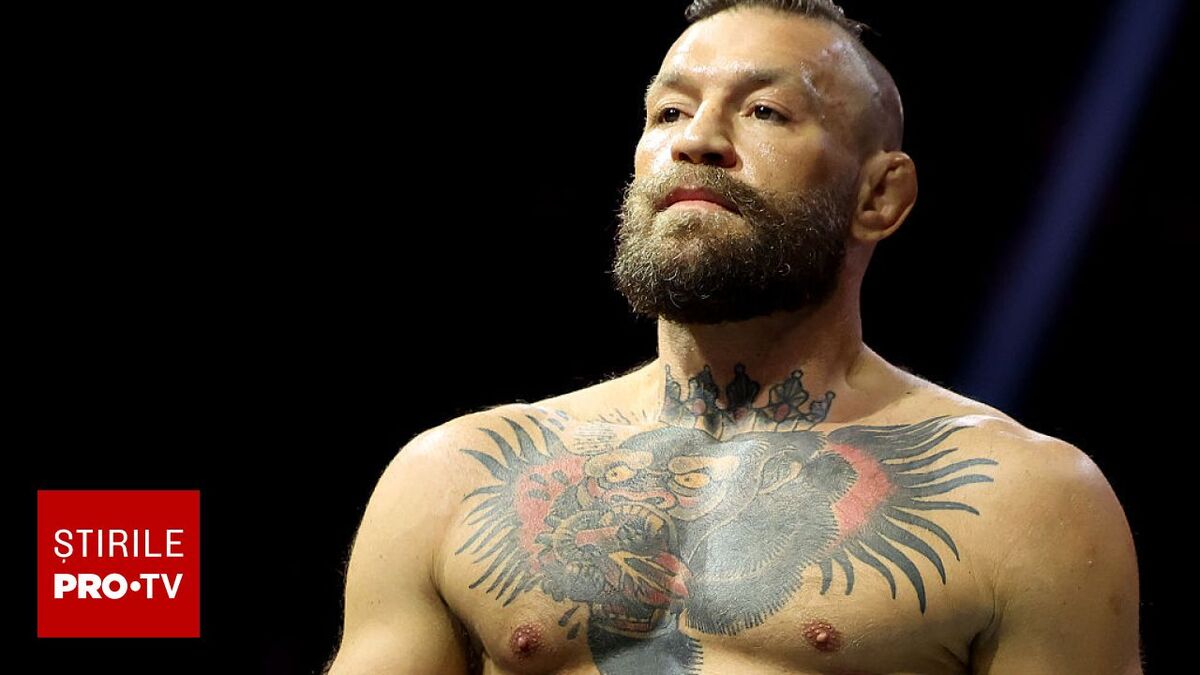
Stirile ProTV Jul 20

Conor McGregor, una dintre cele mai influente figuri din istoria UFC, se pregătește pentru o revenire spectaculoasă în octogon după aproape cinci ani de absență marcată de accidentări și probleme de sănătate, având ca principal obiectiv o confruntare cu Max Holloway, care îi va putea reda locul în lupta pentru titluri. #ConorMcGregor #UFC #MMA

stirileprotv.ro
Conor McGregor, omul care a schimbat UFC. Ascensiunea, gloria și declinul celui mai mare star din istoria organizației
17177
Seznam Zprávy Jul 20

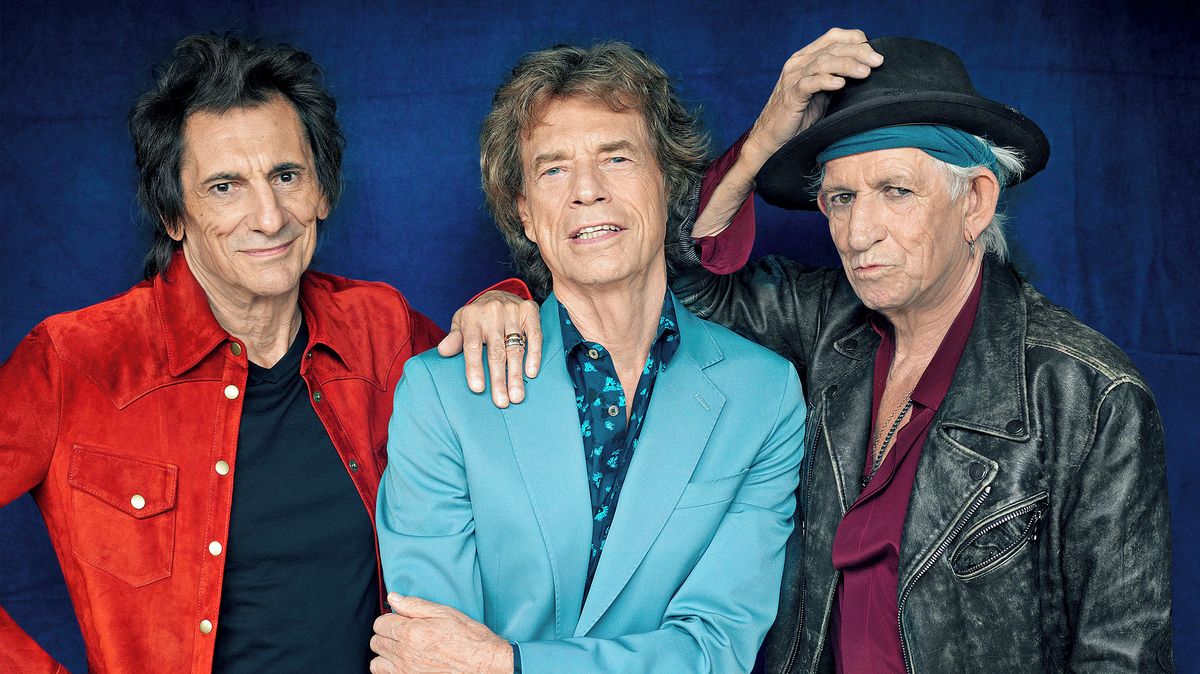
The Rolling Stones ve své nové písni Ringing Hollow vyjadřují nostalgii a zklamání z Ameriky, ve které kdysi našli inspiraci, zatímco jejich nedávné album Foreign Tongues pokračuje v úspěchu kapely a navazuje na dlouhou hudební kariéru, čelí však také změnám ve složení po smrti bubeníka Charlieho Wattse. #TheRollingStones #AmerickýSen #ForeignTongues

www.seznamzpravy.cz
„Šíleně jsem tě miloval.“ The Rolling Stones zpívají o zklamání z Ameriky
16586
Birgit Kelle Jul 17

Are Gay Men „More Equal“? Two @CDU politicians have circumvented Germany’s ban on #surrogacy by commissioning children in the United States. Their actions expose not only the cruelty of the practice, but also the hollowness of a party whose principles appear to apply only until #Surrogacy #LGBTQ #CDU #DE #US

32954
20 minutos Jul 16

La lesión de Conor McGregor durante su enfrentamiento programado con Max Holloway ha alterado los planes de la UFC, afectando las posibles peleas de Justin Gaethje e Ilia Topuria, mientras que el futuro deportivo de McGregor queda en una situación incierta. #McGregor #UFC329 #PaddyPimblett

www.20minutos.es
La lesión de McGregor cambia los planes de UFC y afecta a Topuria y al vigente campeón Justin Gaethje
16006
Maarten Boudry Jul 13

The hollowing out of the global "middle-class". 😉 https://t.co/NTeGnwBhgs https://t.co/PeOtkd3jfv #MiddleClass #GlobalEconomy #Inequality #Nospecificcountrycodescanbeidentifiedfromtheprovidedtweet.

IndexHR Jul 13

Conor McGregorov povratak u UFC završio je katastrofalno, jer je u prvih nekoliko sekundi borbe protiv Maxa Hollowaya doživio tešku ozljedu koljena, što je rezultiralo prekidom meča i postavilo pitanje o njegovoj budućnosti u sportu. #conor mcgregor #ufc #mma

www.index.hr
Kraj karijere? McGregor se teško ozlijedio u povratničkoj borbi
10083