WRLD

Search

#Lebensmitte
Isabella M Weber 8h

The author wrote that the book industry is in a deep crisis. The costs of paper and transport have risen while AI and social media are drawing attention. At the same time, high energy, housing, and food prices are taking up an increasing part of the budget. Books are needed now more than ever, he wrote. https://t.co/iPWgIRWMzv #Buchbranche #Krise #Lesen #DE (translated)


1790
Kieler Aktionär 18h

A Kiel businessman criticized a sugar tax as pointless and referred to it as theft. As an alternative, he pointed to Chile, where strict labeling for foods with too much fat, sugar, or calories was introduced in 2016. The products received large warning labels on the packaging; additionally, their advertising on children's television and their sale in schools were banned. According to the Kiel businessman, manufacturers subsequently made their products significantly healthier. Within a few years, children and adults became slimmer, and the awareness of healthy eating increased among the population. He advocated for clear labeling instead of a tax and criticized the traffic light system used in Germany as opaque. He cited the influence of the food manufacturers' lobby as the reason for this. #Zuckersteuer #Lebensmittelkennzeichnung #GesundeErnährung (translated)

2262
K
Kronen Zeitung 19h

Rising food prices are exacerbating increasing poverty and making everyday life unaffordable for many people. (translated)

Unleistbarer Alltag - Armut wächst: Der Kampf mit Lebensmittelpreisen
1787
Die Presse 2d

The increasing global demand for food, intensified by climate change and high diesel prices, is drawing the interest of investors to the agricultural sector and innovative companies that offer solutions to enhance efficiency and yields in agriculture. #Agrarwirtschaft #Lebensmittelversorgung #Klimawandel (translated)

www.diepresse.com
Steigende Nachfrage nach Lebensmitteln: Der Agrarsektor rückt in den Fokus von Investoren [premium]
2469
D
der Standard 2d

The closure of the frozen food production of Ardo in Marchfeld brings the challenges of the food industry in Austria to light, while at the same time emphasizing the importance of domestic vegetable supply. #Tiefkühlgemüse #Österreich #Lebensmittelversorgung (translated)

www.derstandard.at
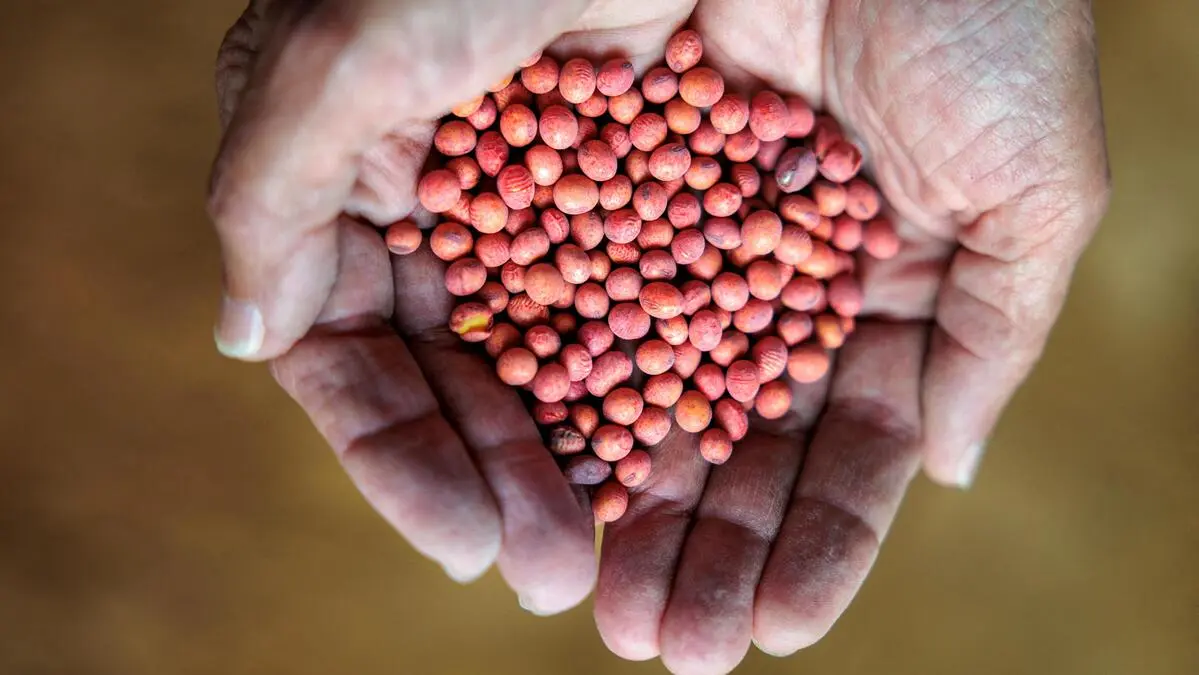
Die billige Erbse kommt Österreich teuer
2675
Bild 3d

The baker Margriet Maassen from the Dutch village bakery, which has been run by her family for 228 years, suffers from the price decline in the industry and regrets the increased costs for her whole grain bread, which now costs 3.50 euros, a painful difference compared to earlier prices. #Bäckerhandwerk #Preiserhöhung #Lebensmittelpreise (translated)

www.bild.de
„Ich kann nicht anders“ - Bäckerin schämt sich für ihre Brotpreise
2455
D
der Standard 3d

According to the Living Planet Report 2026, wildlife populations have declined by an average of 73 percent worldwide since 1970, with freshwater habitats being the most affected, with a decrease of 85 percent, while the WWF identifies food production as the main driver of this decline. #Lebensraumverlust #Wildtierschutz #WWF (translated)

www.derstandard.at
Wildtierbestände seit 1970 im Schnitt um 73 Prozent geschrumpft
2577
Furkan Yildirim 4d

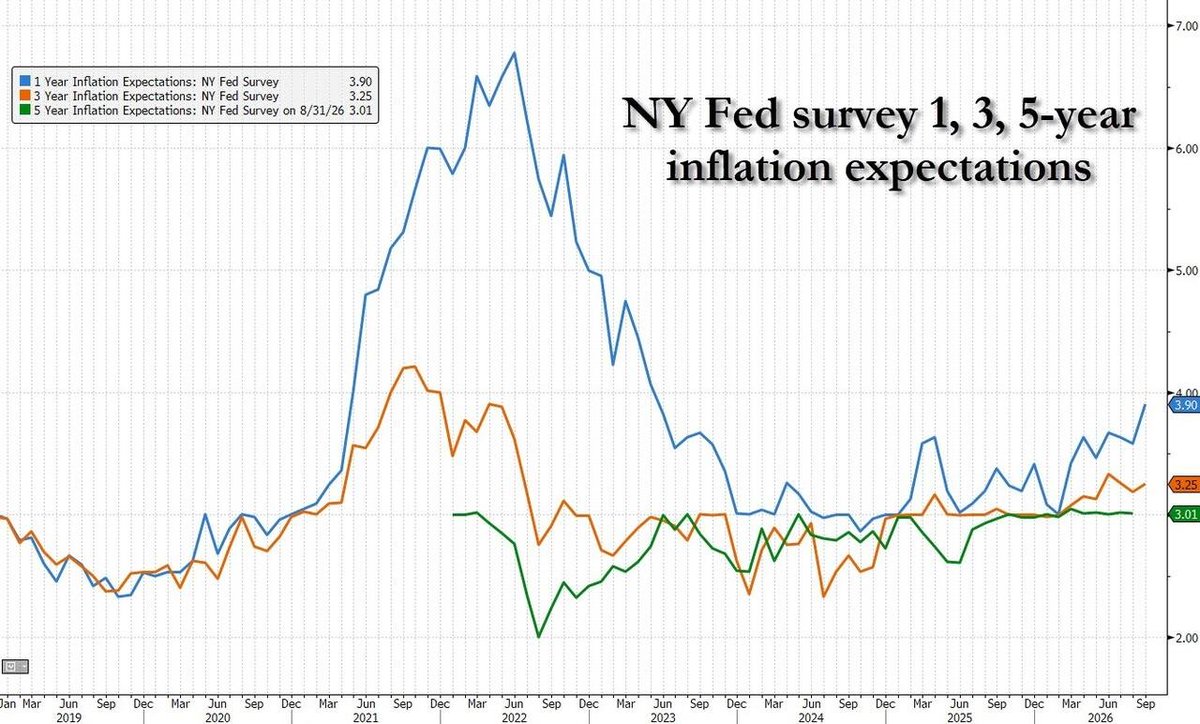
Furkan Yildirim wrote that US consumer inflation expectations had risen to 3.9 percent, reaching the highest level since May 2023. A month earlier, they had been at 3.6 percent. For the next twelve months, Americans expected price increases of 9.2 percent for medical costs, 7.5 percent for education costs, 6.8 percent for rents, 5.5 percent for food, and 4.8 percent for gasoline. Wages were expected to rise by only 2.6 percent during the same period. At the same time, households planned to spend 5.5 percent more – the highest figure since May 2023. Their income was only expected to grow by 3.1 percent, according to Yildirim. He also wrote that more households reported a worse financial situation than a year ago and that loans were harder to obtain. Prices were outpacing wages, he summarized. #Inflation #Wirtschaft #Verbraucherpreise (translated)

3253
newsORF.at 4d

According to a WWF report, global wildlife populations continue to decline dramatically, with vertebrate populations shrinking by an average of 73 percent from 1970 to 2022, and the main causes of this decline are human-made factors such as food production and habitat destruction. #Biodiversität #Naturschutz #WWF (translated)

orf.at
WWF: Wildtier-Bestände nehmen weiterhin stark ab
1911
Spiegel Online 4d

Go Asia recalls fried 280-gram jars with toxic fern, as this is not approved in the EU, and offers a return with a refund of the purchase price in all stores. #Lebensmittelwarnung #GoAsia #Gesundheit (translated)

www.spiegel.de
Go Asia: Als giftig eingestufter Farn wird zurückgerufen
1463
newsORF.at 5d

The International Monetary Fund (IMF) warns that rising prices for essential goods due to conflicts and crises worldwide will continue to severely impact affordability for many people, especially for working families. #Inflation #Lebensmittelpreise #Energiepreise (translated)

orf.at
IWF: Lebensnötige Güter zunehmend schlechter erschwinglich
2033
VolkerKetzer 5d

Volker Ketzer wrote that the government plans a new plastic tax of 550 euros per ton. Since plastic is found in numerous products and packaging, manufacturers would, in his estimation, pass on the tax costs and the additional bureaucratic effort to consumers. The state expects revenues of nearly 1.5 billion euros per year starting in 2028, he wrote. He criticized that the levy will raise the cost of shopping while being described as environmental protection. #Plastiksteuer #Umweltschutz #Einkaufspreise (translated)

2712
Eva Herman 6d

The author described the planned closure of the Ardo freezer plant in Groß-Enzersdorf as another heavy blow for agriculture and food supply. He wrote that the closure not only affects the employees but also hundreds of farmers in the Marchfeld, who are therefore desperate. #Landwirtschaft #Lebensmittelversorgung #Agrarpolitik #AT (translated)

3392
sparbuchfeinde 6d

The account of the savings book enemy wrote that Germany currently pays 1.4 billion euros annually from the federal budget for the EU levy on plastic packaging. Lars Klingbeil wants to change this from 2027; the plastic tax will be passed on to consumers. Hundreds of additional officials will be needed for control, and there will be a lot of bureaucracy for producers and traders. The additional burden for a family of four is estimated to be between 80 and 100 euros per year. The account described the levy as another consumption tax that increases the cost of food and drives inflation. #Plastiksteuer #Inflation #Verbraucherschutz (translated)

3167
Kurier 6d

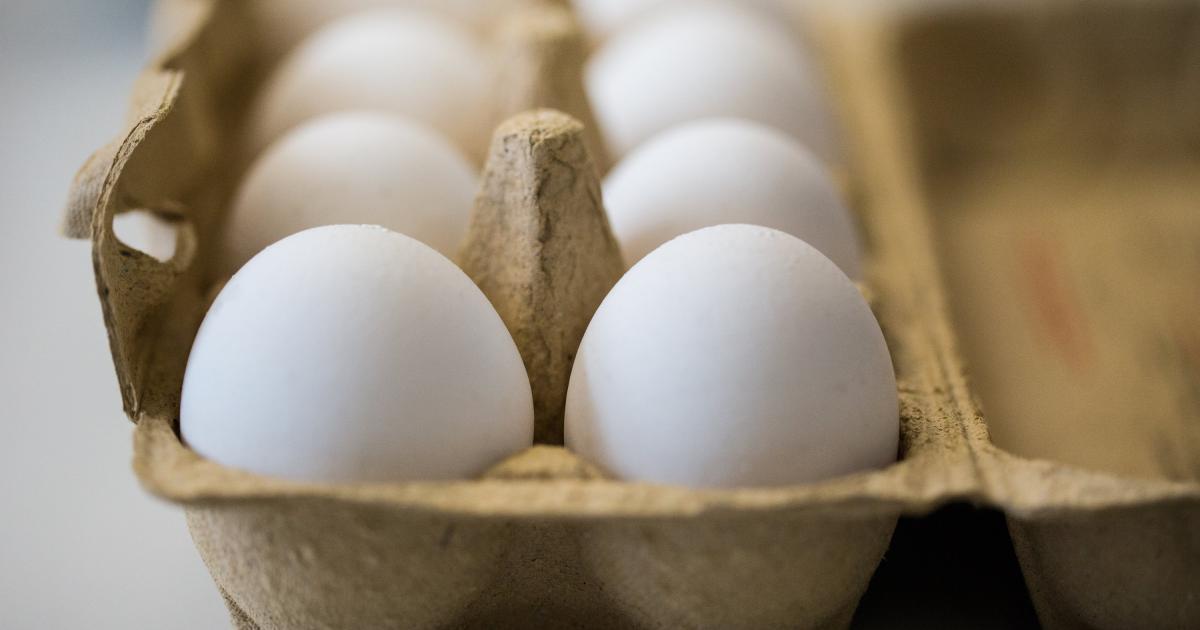
The prices for eggs in supermarkets are expected to rise by up to 20 cents per pack due to increased feed costs and a drought summer, while the domestic poultry industry is expanding its production with more laying hens, especially in the organic and free-range sector, to avoid future shortages. #Eierpreise #Lebensmittelproduktion #Österreich (translated)

kurier.at
„Preisanpassung“: Warum Eier im Supermarkt bald teurer werden
1698
Emanuel Boeminghaus 7d

Emanuel Boeminghaus wrote that indirect taxes continued to rise. Following taxes on tobacco and discussions about a sugar tax, there should now also be a tax on plastic packaging. According to the food newspaper he referenced, the Federal Ministry of Finance and the Federal Ministry for the Environment were planning such a levy, which was expected to generate around 1.3 billion euros in additional revenue. Boeminghaus explained that the tax could increase the burden on consumers alongside other taxes, as such costs are often passed on to private households through higher prices. He wrote that as more consumer goods are taxed additionally, real purchasing power declines and many people become poorer. He ironically referred to Germany as a country where people "pay gladly and well." https://t.co/HO9LlEgy8r #Steuern #Deutschland #Plastiksteuer (translated)

3288
U.M. OSINT 7d

U.M. OSINT reported that Israel had only completely blocked aid deliveries twice since October 7, 2023. The first blockade commenced on October 9, 2023; Egypt had also closed the Rafah crossing at that time. Starting at the end of October, Israel allowed aid deliveries to pass again—initially without fuel. According to quantities reported by COGAT, the deliveries later even exceeded pre-war levels. A second complete blockade lasted from March 2 to May 18, 2025, totaling 77 days. According to U.M. OSINT, Israel justified it with Article 23, Paragraph 2 of the Fourth Geneva Convention: deliveries must not be allowed if they cannot be effectively controlled or provide a concrete military or economic advantage to the opponent. At that time, Israel assumed that Hamas and others were hoarding food. There were also short-term closures following shelling, including on May 5, 2024. As evidence, U.M. OSINT referred to aerial images of the Kerem Shalom crossing, which he designated as the most important crossing for deliveries. A photo taken on October 30, 2023, showed the crossing closed. On June 3, 2024, trucks were waiting on the Egyptian side while the Israeli depot was empty and the Palestinian depot was full; northwest of there, a kilometer-long queue of trucks had formed for pickup. According to his post, these vehicles came from the UN or cooperating NGOs that had employed Palestinian transport companies or mercenaries. A photo from November 5, 2024, showed a similarly full Palestinian depot but no waiting delivery trucks. U.M. OSINT interpreted this as an indication of higher throughput by COGAT. Images from February 2026 showed fewer waiting trucks and still some pallets; the Palestinian side apparently managed to handle the supply. Additionally, U.M. OSINT wrote that UN Secretary-General António Guterres stated on December 2, 2024, that in the previous month, 90 percent of the aid trucks had been looted—98 out of 109. According to his account, UN publications confirmed that this had been ongoing for months. Publicly, this was primarily interpreted as a sign of hunger among Palestinians; however, the looting was mostly attributed to armed groups. An OCHA report from September 17, 2025, according to U.M. OSINT, reported 432 "malnutrition-related deaths," including 146 children. Data published by the Ministry of Health indicated 4 such deaths in 2023, 49 in 2024, and 260 between January and August 27, 2025. For comparison, he cited a total of 77 deaths due to malnutrition in England and Wales in 2022, as well as 436 cases where it had played a role. The medical term "malnutrition" (ICD E40–E46), according to his account, also includes deaths related to birth defects, genetic disorders, or cancer and does not necessarily mean that the affected individuals had insufficient food available. On May 21, 2025, the then UN Under-Secretary-General for Humanitarian Affairs and Emergency Coordinator Tom Fletcher warned that 14,000 babies could die within 48 hours. At that time, the crossing was reportedly already open again, according to U.M. OSINT. He welcomed the interest in the aerial images and stated that they confirmed his and others’ earlier representations. At the same time, he accused some observers in a derogatory manner of not looking closely enough. #Israel #Gazastreifen #HumanitäreKrise (translated)

2948
Bild 1w

The potato harvest in Germany has fallen by a quarter this year, which could lead to a rise in prices, although the Federal Ministry of Agriculture promises stability for consumers for the time being. #Kartoffelernte #Lebensmittelpreise #Agrarpolitik (translated)

www.bild.de
Was das für die Preise bedeutet - Kartoffelernte um ein Viertel eingebrochen
1481
Eva Herman 1w

The author wrote that German forwarding and logistics companies were in a crisis of insolvency. Many people did not understand that the transport industry was the most important supplier of food, clothing, and all consumer goods. If the supply chains broke, it would lead to an emergency, he warned. https://t.co/CD39nblzMT #Logistik #Transport #Lieferkette #DE (translated)

456
Kurier 1w

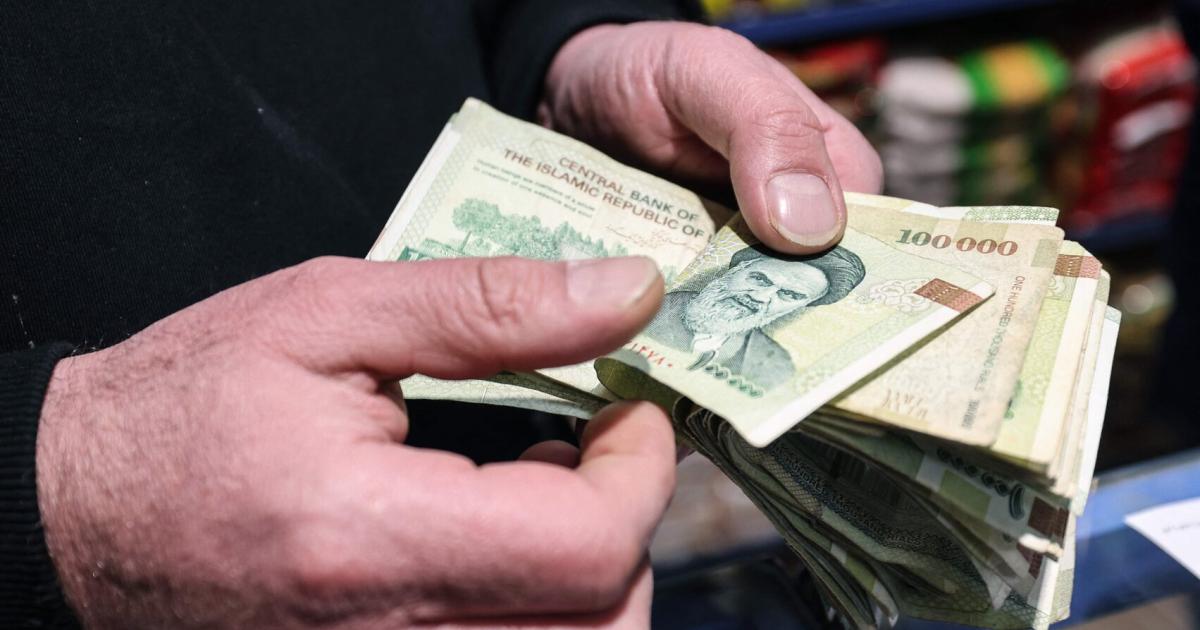
The Iranian currency, the Rial, has reached a historic low, leading to a drastic decline in the purchasing power of the population and an explosive rise in food prices, while the average monthly wage has dropped by more than half since the beginning of the year. #Iran #Wirtschaft #Lebensmittelpreise (translated)

kurier.at
Iran: Währung im Sinkflug, Lebensmittelpreise explodieren
1709