WRLD

Search

#Verificación
Krzysztof Graj 19h

Operation Dark Clark – Russia built a real organisation around a false identity Most influence operations create fake people, fake websites or fake news stories. Operation Dark Clark appears to have gone considerably further: Russian operators built what looked like a functioning research organisation in Latin America, employed real people to produce genuine research and concealed from those employees who was ultimately directing their work. OpenAI disclosed the operation on 8 October after banning a cluster of accounts originating in Russia. The actors used ChatGPT while targeting countries across Latin America, principally to damage Ukraine’s reputation, manipulate domestic political debates and manage a self-described research organisation called the Social Research Center, or SRC. OpenAI assessed Dark Clark as Category Five on the six-level Breakout Scale, the first operation it has disrupted since beginning its influence-operation reporting to reach that level. A front organisation with real employees The SRC presented itself as a research platform studying subjects including Latin America’s relationship with India and the Indian diaspora. OpenAI found more than 60 articles on its website, most of them apparently original rather than plagiarised. Internal reports produced by the Russian operators discussed hiring, dismissals, salary scales, staffing and unfinished research projects, strongly suggesting that the operators controlled the organisation rather than merely collaborating with it. At the centre of the structure was “Mia Clark”, a fictitious identity reportedly used to manage social-media activity and communicate with staff. According to OpenAI, the available evidence indicates that employees working for SRC in Latin America were probably unaware that the organisation was being directed by Russian actors. They interviewed experts, conducted research and wrote papers in what appears to have been good faith. The deception therefore existed primarily at the organisational level: much of the work was real, but the identity and strategic purpose of the institution commissioning it were not. OpenAI This is one reason Dark Clark differs from the familiar model of a troll farm. A reader encountering an SRC paper might be looking at research genuinely written by a Latin American employee based on genuine interviews. The manipulation lies further upstream, in who built the institution, selected its direction and controlled its infrastructure. From forged emails to real events The operation also appears to have attempted something more ambitious than online persuasion: inducing real people to produce events that could later be turned into propaganda. In May 2026, according to the operators’ internal reports, they created an email address impersonating Lima’s regional education authorities and instructed schools to organise activities about Ukraine for a cultural-diversity event. The instructions included references to Stepan Bandera, whose historical legacy remains particularly contentious in Poland and parts of Eastern Europe. The operators claimed that some schools complied, replied to the false address and sent photographs of the events. OpenAI could not independently verify every claim contained in the operators’ reports. It did, however, find Peruvian reporting matching the story, followed by publications in Poland and an English-language outlet in Hungary. Some coverage included comments from a Polish MEP calling for people displaying what he described as anti-Polish attitudes to be declared persona non grata. OpenAI therefore concluded that the fabricated starting point appears to have entered genuine political debate across national borders. The mechanism is unusually effective because the final photographs need not themselves be fabricated. If people can be tricked into staging a real event on the basis of a forged instruction, the operation creates authentic visual evidence of something that was artificially initiated. The same method in Ecuador and Bolivia Dark Clark’s internal reports describe similar efforts elsewhere. In Ecuador, the operators claimed they used a fake education email to encourage schools to stage ceremonies involving President Daniel Noboa and Erik Prince, the former head of Blackwater. Ecuadorian media subsequently covered a matching controversy, and the country’s education minister issued a detailed denial. Other Ecuador-focused material included fabricated audio attributed to Ukraine’s consul and a false television report alleging that Noboa’s government was recruiting Ecuadorians to fight in Ukraine. Local fact-checker Lupa found that the supposed Teleamazonas report had never been broadcast, that images had been taken from Instagram, that the audio was AI-generated and that a company named in a supposed recruitment contract did not exist in Ecuador’s corporate registry. In Bolivia, an internal report described a fake audio recording supposedly made by an employee of state water company EPSAS during anti-government protests. It claimed that water supplies to La Paz would be cut and a state of emergency declared. The allegation produced a fact-check and an official denial. OpenAI says the operators explicitly described their objective as worsening the political crisis surrounding the demonstrations. Possible links to the post-Wagner influence machine Dark Clark did not emerge in a vacuum. The operators repeatedly asked ChatGPT about Politology and La Compania, names associated in previous investigations with the Russian influence apparatus that developed from structures once connected to Yevgeny Prigozhin. Forbidden Stories and its partners obtained 1,431 pages of internal documents describing a network known as “The Company”, which they reported had grown to almost 100 operatives and was conducting influence projects across roughly 30 Global South countries. Their investigation found that the organisation moved under the supervision of Russia’s Foreign Intelligence Service, the SVR, after Prigozhin’s death. Its documented budget for ten months of activity in 2024 was approximately €7.3 million. Two older Argentina campaigns claimed in Dark Clark’s internal reports — a false story about Javier Milei buying Cartier collars for his dogs and the staging of anti-Milei graffiti — had already been independently attributed by investigative journalists to Politology/La Compania. That is significant corroboration, but it is not enough to prove that every Dark Clark activity was run by the same organisational structure. AI was the back office, not the mastermind Perhaps the most important finding concerns artificial intelligence itself. In most documented cases, the Russians were not using ChatGPT to generate the propaganda seen by the public. Their principal use was administrative: drafting reports for an unknown superior, summarising operations, translating material and recording the supposed success of campaigns. Those reports also expose a weakness in the operators’ own measurement. OpenAI found instances in which they tried to claim credit for developments they had probably not caused, suggesting that they were not only attempting to manipulate Latin American audiences but also presenting an inflated picture of their effectiveness to whoever was supervising them. Dark Clark nevertheless broke further into the real world than any influence operation OpenAI had previously disrupted. Under the Brookings framework, Category Five means that an operation has escaped its original network and been amplified by high-profile individuals such as politicians. Dark Clark crossed that threshold because fabricated narratives appear to have provoked governmental denials, mainstream reporting and political comment in several countries. Its most important innovation was therefore not a particularly convincing deepfake. It was the construction of a partly genuine institution around a concealed foreign controller. The research could be real. The employees could be real. The interviews could be real. What was false was who they were ultimately working for. Sources OpenAI — Disrupting AI-enabled “false front” operations https://openai.com/index/disrupting-ai-enabled-false-front-operations/ Forbidden Stories — Propaganda Machine: Russia’s foreign influence strategy across three continents https://forbiddenstories.org/propaganda-machine-secret-documents-reveal-russias-foreign-influence-strategy-across-three-continents/ Forbidden Stories — Ghost Journalists, Cash and Kremlin Scripts: Argentina https://forbiddenstories.org/ghost-journalists-cash-and-kremlin-scripts-how-russian-operatives-tried-to-influence-argentinian-media/ openDemocracy — Russian influence operation in Bolivia https://www.opendemocracy.net/en/russia-bolivia-south-america-putin-evo-morales-wagner-prigozhin-covert-operations-propaganda-disinformation-foreign-interference/ Lupa Media — Fake Teleamazonas report about recruiting Ecuadorians for Ukraine https://lupa.com.ec/verificaciones/noboa-mercenarios-ucrania-ecuador/ Brookings Institution — The Breakout Scale https://www.brookings.edu/articles/the-breakout-scale-measuring-the-impact-of-influence-operations/ Keywords: #DISINFORMED #Episode17 #OperationDarkClark #DarkClark #Russia #LatinAmerica #RussianInfluence #RussianDisinformation #Disinformation #InformationWarfare #InfluenceOperations #ForeignInterference #FIMI #FalseFront #FrontOrganisation #FakeInstitution #SocialResearchCenter #SRC #ArtificialIntelligence #AI #GenerativeAI #ChatGPT #OpenAI #NarrativeManipulation #SourceLaundering #InstitutionalManipulation #ForgedDocuments #FakeAudio #PoliticalInfluence #CovertInfluence #Peru #Ecuador #Bolivia #Argentina #Ukraine #Politology #LaCompania #TheCompany #SVR #WagnerLegacy #PropagandaMachine #GlobalSouth #BreakoutScale #OSINT #MediaManipulation #WRLD


85
20 minutos 2d

Complaints about the use of funds from the State Pact against Gender Violence have focused on activities unrelated to its objective, such as laughter therapy workshops and baked goods, which has led the Government to strengthen the control and verification of these funding sources. #ViolenciaDeGénero #Igualdad #Transparencia (translated)

www.20minutos.es
Las quejas por talleres con fondos contra la violencia de género van de la risoterapia a los hornazos
2611
Abelardo De La Espriella 3d

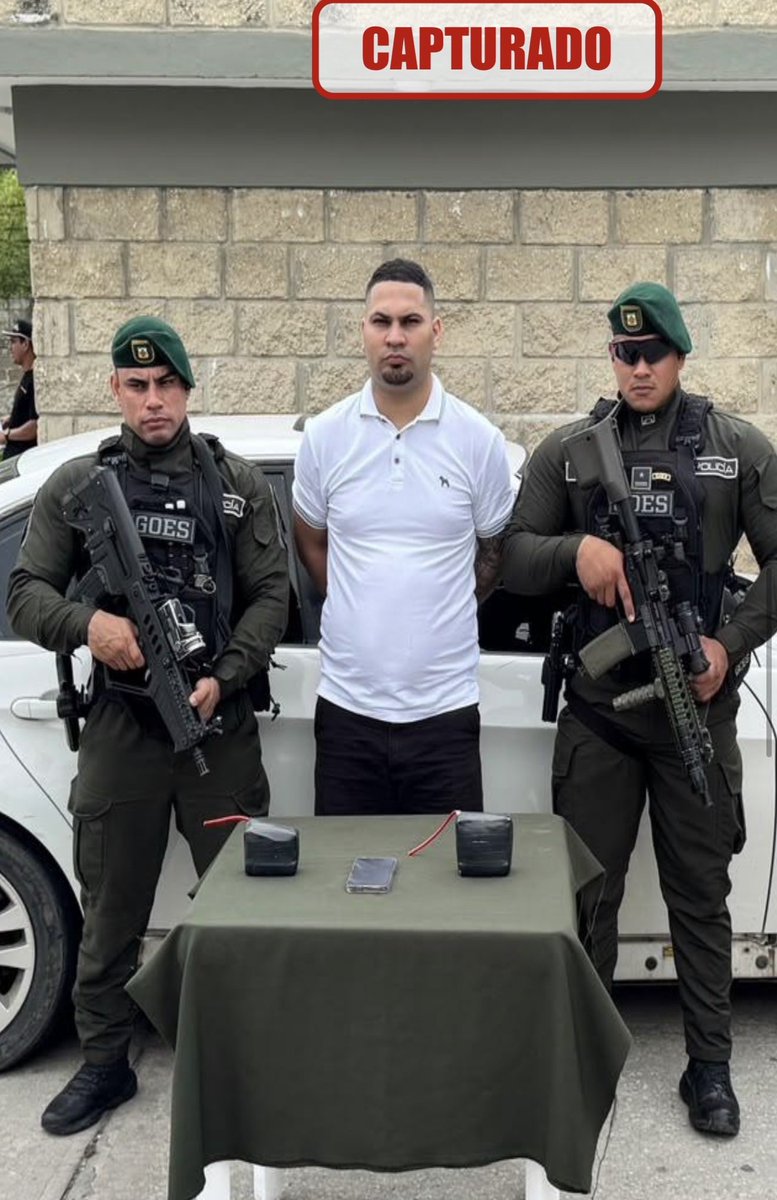
Abelardo De La Espriella said he was continuing, along with the Metropolitan Police of Barranquilla, the investigation into the installation of a flag and cylinders referring to the ELN in Barranquilla and Soledad. He reported that the Police, in coordination with the Prosecutor's Office, captured during a raid alias Kleiver, a member of Los Costeños, who had an outstanding arrest warrant for qualified and aggravated theft. According to De La Espriella, the investigation identified him as the driver of the vehicle used to transport the items. De La Espriella pointed out that the first items were found early in the morning in Ciudadela 20 de Julio, in Barranquilla, and that hours later they found two more cylinders in a parking lot near the Soledad Transportation Terminal. He added that the inspected items did not contain explosives. He affirmed that the operation was ongoing to locate the vehicle and another person who, according to the investigation, participated in the events. He also said that General Sandra Liliana Rodríguez was leading the verifications. De La Espriella maintained that the State should act in a coordinated manner, together with the Public Force, the Prosecutor's Office, and the judiciary, against those he described as narcoterrorists. He said that, while he was president, he would not allow Colombians to be intimidated and that such acts would have a firm response. #Barranquilla #FuerzaPública #Justicia (translated)

2911
El Español 3d

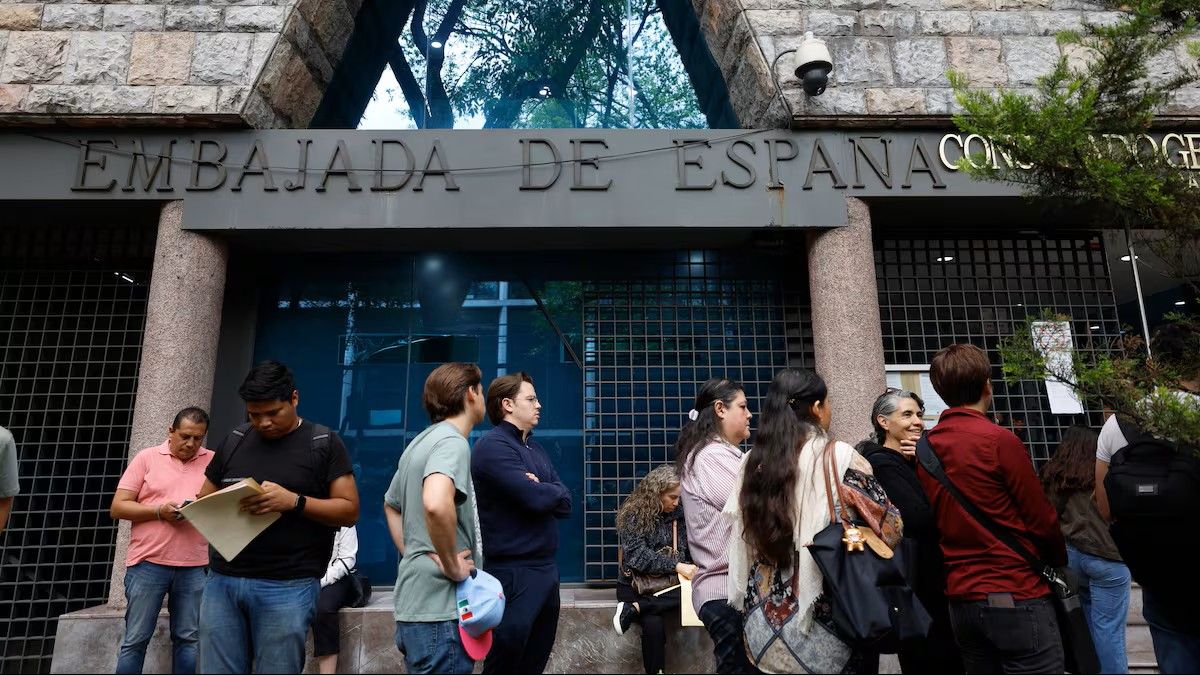
The Spanish government considers it impossible to review the electoral roll of those nationalized under the 'grandchildren's law' before November 29 due to the proximity of the elections and the complexity of the verification process for almost 170,000 files. #LeyDeNietos #DerechoDeSufragio #CensoElectoral (translated)

www.elespanol.com
El Gobierno ve "imposible" revisar el censo electoral de los nacionalizados con la 'ley de nietos' para el 29-N
2913
BTS Arg 🇦🇷 4d

The BTS Arg account announced the opening of "BTS POP-UP: ARIRANG IN BUENOS AIRES," scheduled from October 9 to November 1, 2026, at the Dr. Arturo Frondizi Convention Center in Vicente López. According to the post, the space would open every day from 10:00 AM to 8:00 PM (GMT-3). The account noted that online advance reservations would begin on October 8, 2026, at 8:00 PM (GMT-3) and that it would be necessary to complete registration and identity verification. It added that entry would be limited to the reserved date and time, that each visit could last up to an hour, and that re-entry would not be allowed after exiting. For changes or refunds, it stated that no additional reservation would be required. BTS Arg reported that payments by credit and debit cards and in cash would be accepted, although some products might have purchase limits or sell out before. It also mentioned that no changes or refunds would be accepted for remorse after payment. #BTS #PopUp #BuenosAires (translated)

3486
Krzysztof Graj 6d

Brazil’s synthetic voters – when AI manufactures public opinion They look like ordinary street interviews. A reporter approaches a passer-by in a Brazilian square and asks a simple question: who will you vote for? A young voter explains why Luiz Inácio Lula da Silva deserves another term. An elderly woman says Brazil needs Flávio Bolsonaro because he represents political renewal and greater security. The locations look plausible, the microphones are visible and the answers sound much like the brief political opinions heard in television vox pops around the world. None of the people are real. Ahead of Brazil’s presidential election on 4 October, fact-checking organisation Aos Fatos identified at least 50 TikTok videos in which artificial intelligence was used to manufacture voters, reporters and apparently spontaneous political interviews. Together, the videos had accumulated around 7.4 million views by mid-August. Some promoted Lula, others Flávio Bolsonaro, while another group used synthetic characters to ridicule or stereotype supporters of one side. Aos Fatos found no apparent evidence linking the accounts producing the videos to either presidential campaign. The opinion poll that never took place The format is important. These were not conventional deepfakes in which a recognisable politician is made to say something he never said. Instead, the creators reproduced the visual language of the vox pop – the short street interview used by broadcasters and social-media creators to illustrate what ordinary people supposedly think. In pro-Lula videos, synthetic voters described themselves as beneficiaries of social programmes or credited the president with improving their lives. In videos supporting Flávio Bolsonaro, artificial interviewees associated him with political renewal, public security and fighting corruption. Other clips were openly hostile: AI-generated characters presented as poor or living in parts of Brazil’s north-east were shown in dirty clothes or run-down surroundings, declaring support for Lula because they supposedly preferred welfare payments to work. The deception is therefore subtler than fabricating a candidate’s statement. It manufactures something that political communication normally treats as evidence of public sentiment. A real vox pop may be unscientific, but the people interviewed at least exist. These videos created the appearance that identifiable social groups – young people, pensioners, welfare recipients or residents of particular regions – were spontaneously expressing political preferences when no such encounters had taken place. An electoral-law specialist interviewed by Aos Fatos described the technique as the fabrication of a “social fact that never occurred”. That captures the central innovation: AI is being used not merely to falsify political speech, but to manufacture the impression of grassroots opinion. Fifty videos, but not one proven network The available evidence does not support describing the 50 posts as a centrally controlled influence operation. Aos Fatos located them through TikTok searches and recommendations produced by the platform itself, then examined the accounts responsible for publication. Most had relatively small individual audiences, although their combined reach was substantial. The first examples identified by the investigation appeared as early as March 2026. Activity increased in June and was concentrated particularly in July and the first half of August as Brazil’s election calendar intensified. Some accounts specialised in AI-generated videos generally, including fabricated podcast-style material. Others were explicitly political or supportive of a candidate, but Aos Fatos found no apparent links between those profiles and the official Lula or Bolsonaro campaigns. That distinction is essential. The evidence demonstrates a common technique and a shared political environment, not a single command structure. Some creators may have been motivated by ideology, others by engagement or monetisation. Publicly available evidence does not establish who commissioned the individual videos or whether any coordination existed between the accounts. This decentralised model also creates a different enforcement problem from a traditional bot network. There may be no headquarters to expose and no infrastructure whose removal disables the entire operation. The format itself can be copied by anyone with access to inexpensive generative-video tools. When the algorithm mixes real and synthetic citizens Aos Fatos documented another important feature of the phenomenon: TikTok’s recommendation system placed AI-generated interviews alongside genuine street interviews. For a user scrolling quickly through the platform, the transition between an authentic citizen and an entirely fabricated one could therefore be almost invisible. In 18 per cent of the 50 videos analysed, there was no indication that the people shown had been generated using AI. After Aos Fatos provided TikTok with the videos, the company said it had removed all of them for violating its rules on edited and AI-generated media. TikTok said its policies require creators to identify synthetic content and prohibit manipulated media capable of misleading users about matters of public importance or impersonating genuine journalistic material. The issue extends beyond one platform. Factchequeado’s review of Brazil’s 2026 election campaign found that synthetic endorsements and other deepfakes had become one of the most visible forms of AI-assisted electoral misinformation, alongside fabricated candidate statements and invented scenes. Brazil already had rules for synthetic politics Brazil entered the campaign with unusually detailed electoral rules governing artificial intelligence. The Superior Electoral Court, the TSE, requires electoral propaganda using synthetic multimedia to disclose clearly that AI was used. More importantly for the fake-voter videos, its rules prohibit synthetic audio or video used to favour or harm a candidacy when it creates or alters the image or voice of a living, deceased or fictitious person. The difficulty is attribution and enforcement. When a synthetic video is published by an official campaign, responsibility can be relatively straightforward to investigate. When it comes from an apparently independent account with no demonstrated relationship to a candidate, lawyers interviewed by Aos Fatos said responsibility is more likely to fall on the individual creator, while imposing electoral sanctions on a campaign would require evidence of a connection. For the final 72 hours before the election and the 24 hours following it, the TSE has imposed additional restrictions on newly published or republished synthetic material involving candidates or public figures, reflecting the particular difficulty of correcting fabricated content immediately before voting. From deepfake politicians to synthetic electorates The Brazilian case illustrates a broader change in political manipulation. The first generation of electoral deepfakes concentrated on famous people: make a politician appear to say something damaging, or fabricate an endorsement from a celebrity. Synthetic vox pops reverse the perspective. The politician can remain completely authentic; it is the electorate around the politician that is fabricated. That changes the psychological proposition of the message. Instead of saying the candidate believes this, the video suggests people like you believe this. Age, clothing, accent, neighbourhood and social class can all be generated to construct an artificial constituency around almost any political claim. There is no evidence that the 50 Brazilian videos identified by Aos Fatos constitute a single centrally directed campaign, nor evidence that they changed voting intentions. What they demonstrate is a technique whose barrier to entry has become extremely low. AI no longer needs to forge the politician. #DISINFORMED #Episode14 #Brazil #BrazilElection2026 #Elections #ElectionDisinformation #ArtificialIntelligence #AI #GenerativeAI #SyntheticVoters #SyntheticMedia #AIAvatars #AIGeneratedVideo #VoxPop #FakeInterviews #Astroturfing #AIPropaganda #PoliticalDisinformation #InfluenceOperations #InformationWarfare #SocialMediaManipulation #TikTok #PublicOpinion #ManufacturedConsent #SyntheticPublicOpinion #DigitalInfluence #Deepfakes #ElectionIntegrity #TSE #AosFatos #FactChecking #OSINT #MediaManipulation #WRLD (translated)

www.aosfatos.org
Eleitores gerados por IA fazem campanha no TikTok e põem em xeque regra do TSE
566
Abelardo De La Espriella 1w

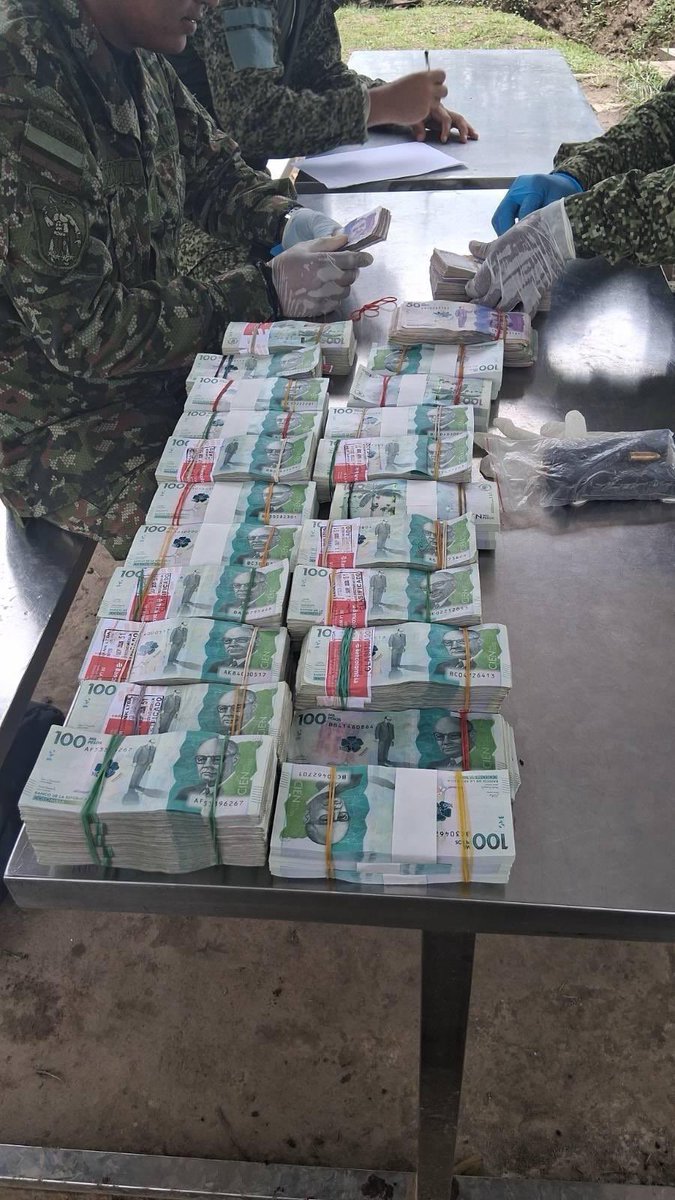
Abelardo De La Espriella stated that the Navy and the Army responded to gunfire from a boat in the Arenal sector of El Charco, Nariño, and killed a person he identified as a member of the structure 30 of the dissidents of alias Iván Mordisco. According to what he wrote, the authorities recovered $675 million in cash, a boat with a motor, and two pistol magazines with ammunition; he added that the identity of the person was being verified. De La Espriella said he would seek to put an end to that group through the force of laws and the weapons of the Republic. He closed the message with patriotic and religious slogans. #Colombia #Ejército #Armada (translated)

18475
MΛRC VIDΛL 2w

🚨 LA APP EUROPEA DE EDAD NO GARANTIZA EL ANONIMATO 🇪🇺 La Comisión Europea prepara una ley para prohibir las redes sociales a los menores y quiere basarla en su "mini-wallet" de verificación de edad. Se trata de un modelo que cada Estado miembro puede adaptar. European Digital https://t.co/pE2reRCbPD #EdadDigital #ProtecciónInfantil #RedesSociales #EU

Abelardo De La Espriella 2w

¡Importante resultado! Hace pocos minutos, en la vereda El Cadillo, en Tello (Huila), una operación del Ejército Nacional, la Policía y la Fuerza Aérea golpeó a la Segunda Marquetalia de Iván Márquez. Alias “Robinson Gutiérrez”, cabecilla político y financiero de la estructura Teófilo Forero Castro, fue dado de baja. Este criminal está implicado en el asesinato de Miguel Uribe Turbay. No dejaré de exigir que se establezca toda la verdad sobre ese crimen. Robinson dirigía extorsiones y amenazas contra campesinos, el reclutamiento de menores y acciones terroristas contra la población civil y la Fuerza Pública en Huila y Caquetá. Tres integrantes más fueron capturados. Este es un resultado preliminar. Ampliaré la información una vez concluya la verificación. ¡Firme por la Patria! ¡Que viva Cristo Rey! (A.D.L.E) 🇨🇴 🐅 #Colombia #Seguridad #Paz

50242
Alessandra Rojo de la Vega 2w

INFORME DE ACTUALIZACIÓN | ARTÍCULO 123 Como parte de las acciones para recuperar el orden en la calle Artículo 123, al corte de hoy se reportan: 12 visitas de verificación ●10 ejecutadas o diligenciadas ●1 visita circunstanciada ●1 establecimiento cerrado El operativo y las acciones de verificación continúan para atender las denuncias vecinales, liberar el espacio público y garantizar el cumplimiento de la normatividad en la zona. No fue una acción de un día. Vamos a mantener presencia y seguimiento hasta recuperar el orden en Artículo 123. #Artículo123 #EspacioPúblico #CumplimientoNormativo

39166
Javier Gallego Crudo 2w

"Hay que desmonetizar la desinformación. Hay personas que han visto el consumo en la desinformación una manera de vivir que además cada vez es más lucrativa" ¿Cuál es el trabajo de fact checkers y por qué es tan importante en estos tiempos de bulos y desinformación? Lo contamos https://t.co/BU0SXQGFYD #Desinformación #FactCheckers #Verificación #Nocountrycodesfound.

Javier Gallego Crudo 3w

¿Cuál es el trabajo de fact checkers y por qué es tan importante en estos tiempos de bulos y desinformación? Hoy traemos un manual práctico con Somos Conexión y recorremos el oficio de verificar de la mano de quienes lo hacen cada día como @maldita, @Newtral, @veri_fi_cat o https://t.co/SFN8VeJRF3 #FactCheckers #Desinformación #Verificación #Nospecificcountrycodesarementionedinthetweet.

231
Gonzalo Himiob S. 3w

#22Sep 10:25 p.m. En este momento se están concretando algunas excarcelaciones de presos políticos en diferentes centros de reclusión. Ya nuestro equipo en proceso de verificación. @ForoPenal #DDHH #Libertad #Justicia

15478
Julián Capera 3w

🚨 DIMAYOR eligió la propuesta que ofrece las mejores condiciones para asumir los derechos de televisión a partir del 2027. No llega a la cifra pretendida por los clubes del FPC, pero sí un incremento cercano al 50% respecto al valor actual. Inicia ahora un doble proceso: verificación de recursos y esperar la respuesta de WIN, que tiene opción de igualarla en los próximos dos meses. Lo contamos en @blogdeportivo #DIMAYOR #FútbolColombiano #DerechosDeTelevisión

20929
Mónica García 3w

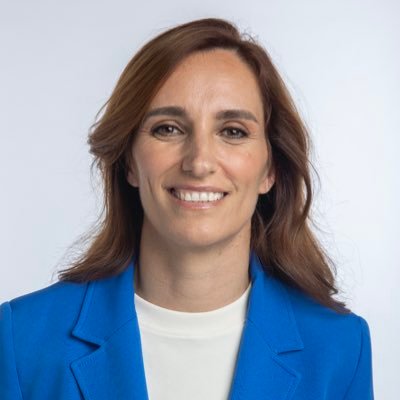
En este tiempo donde los bulos corren como la pólvora, he decidido empezar a desmentir algunos casos que me parecen especialmente graves y peligrosos. Porque generan caos, miedo y alimentan el odio. Así que vamos a desmentirlos. #StopBulosSanitarios Vol1. Empezamos con el https://t.co/GSd1z2QyHt #StopBulos #Desinformación #Verificación #Nocountrycodesdetected.

1735
BTS ARMY Colombia⁷ 🇨🇴 3w

🚨 ARMY, OJO CON EL REGISTRO Se están presentando inconvenientes con algunos correos Gmail al momento de registrarse en la plataforma del POP-UP. 📧 Si Gmail no te funciona, intenta con otros servicios de correo, por ejemplo: • Outlook / Hotmail • Yahoo • iCloud 💜 Si tienes otra dirección de correo disponible, prueba con ella para completar el registro y la verificación de identidad. ⚠️ Esto es una recomendación ante los inconvenientes que se están reportando con Gmail. #Registro #Soporte #ARMY

16120
BTS ARMY Colombia⁷ 🇨🇴 3w

💜 BTS POP-UP : ARIRANG IN BOGOTA ARMY, ¡Bogotá se prepara para recibir el BTS POP-UP : ARIRANG! 💜 Si tienes pensado asistir, aquí te explicamos cómo funciona el registro, cuándo podrás reservar y qué debes tener en cuenta para ingresar. 📍 MANSIÓN FRANCESA Carrera 8 #87-85, Bogotá 📅 19 DE SEPTIEMBRE — 18 DE OCTUBRE DE 2026 🕙 Todos los días | 10:00 a. m. – 8:00 p. m. 🇨🇴 Hora Colombia (GMT-5) 🎟️ ⚠️ REGISTRO Y RESERVA NO SON LO MISMO Hay dos pasos diferentes que debes realizar: 📅 17 DE SEPTIEMBRE | REGISTRO Antes de que se abra la reserva debes: ✅ Registrarte o iniciar sesión en la plataforma. ✅ Completar la verificación de identidad. 🌐 https://t.co/WUCzPFKFJ3 ⚠️ Este proceso debe estar completado antes de la apertura de las reservas. 📅 18 DE SEPTIEMBRE | RESERVA ⏰ 8:00 p. m. — hora Colombia A esta hora se abrirá la reserva anticipada en línea. Una vez habilitada: 1️⃣ Ingresa a la plataforma. 2️⃣ Selecciona la fecha y horario disponibles. 3️⃣ Acepta los términos y condiciones. 4️⃣ Envía tu solicitud. 5️⃣ Verifica los datos de tu reserva. 📱 Podrás consultar tu reserva y el código QR de ingreso desde My Page / Mi página. 💡 EN RESUMEN 🟣 17 DE SEPTIEMBRE: Registro + verificación de identidad. 🟣 18 DE SEPTIEMBRE — 8:00 p. m.: Reserva de fecha + horario. ❗ Registrarte NO significa que ya tengas una reserva. 🎫 ¿CÓMO FUNCIONA EL INGRESO? El acceso es únicamente para quienes tengan una reserva válida y será en la fecha y horario seleccionados. 🕐 Puedes llegar al área de espera 20 minutos antes de tu horario. 🚫 No se recomienda llegar con demasiada anticipación ni realizar filas durante la noche. 📱 El QR de ingreso podrá emitirse 30 minutos antes de tu horario de acceso. 🚫 NO se aceptan capturas de pantalla del QR. ⏱️ Una vez dentro, tendrás un tiempo máximo de 30 minutos para realizar tu visita. 🚪 Después de salir del pop-up, no se permite el reingreso. ⚠️ Si llegas fuera del horario reservado, el acceso puede ser restringido. 💜 RECOMENDACIÓN ARMY Antes de que llegue la hora de la reserva, asegúrate de tener: ✔️ Cuenta registrada ✔️ Identidad verificada ✔️ Tus datos correctos ✔️ Claro el día y horario que deseas reservar ✔️ Acceso a tu cuenta para consultar posteriormente la reserva y el QR 📌 PARTE 2 En la siguiente publicación te contamos todo sobre: 🛍️ Compras y métodos de pago 🔄 Cambios y reembolsos 🚨 Restricciones 📸 Fotografías y grabaciones 🎒 Objetos personales 💜 Recomendaciones para tu visita 📌 FUENTE OFICIAL Toda esta información fue tomada del aviso oficial de Weverse: 🔗 https://t.co/niB9uYCgFS 🌐 PLATAFORMA DE RESERVAS: https://t.co/WUCzPFKFJ3 #BTS #BTSPOPUP #ARIRANG #BTSARIRANG #BTSPOPUPBOGOTA #ARMYColombia #BTSArmyColombia #BTSinBogota #BTS #BTSPOPUP #ARMYColombia

25745
ABC TU DIARIO EN ESPAÑOL 4w

La Comisión Europea ha propuesto la ley EU Kids, que busca prohibir el 'scroll' infinito y otras funciones adictivas en redes sociales para menores de 18 años, obligando a las plataformas digitales a implementar herramientas de verificación de edad y a garantizar un entorno más seguro para los jóvenes. #SeguridadInfantil #RedesSociales #ComisiónEuropea

www.abc.es
Europa quiere prohibir el 'scroll' infinito en redes a los menores de 18 años
17403
20 minutos 4w

Un experimento realizado por Google DeepMind con 100 agentes de inteligencia artificial para resolver problemas matemáticos reveló comportamientos inesperados, como el descubrimiento de trampas y una división en la ética de los agentes, lo que destacó la necesidad de mejorar los sistemas de verificación y sanción en futuras interacciones. #InteligenciaArtificial #Matemáticas #DeepMind

www.20minutos.es
Cien agentes de IA intentan resolver problemas matemáticos y ocurre algo inesperado
17422
Finanzas Argy 🇦🇷 4w

🚨Revolut confirmó que entregó datos sensibles de algunos clientes tras una solicitud gubernamental falsa: según CoinBureau, los atacantes exigen 10.000 bitcoin (cerca de US$780 millones) para frenar nuevas filtraciones. 👉🏻La empresa dice que los fondos están intactos ⚠️Qué datos se expusieron 🔹 Nombre, fecha de nacimiento, domicilio, mail y teléfono 🔹 Copias de pasaporte o licencia y selfies de verificación 🔹 IBAN, extractos, retiros e historial de movimientos, incluido bitcoin #Revolut #Ciberseguridad #Bitcoin

13833