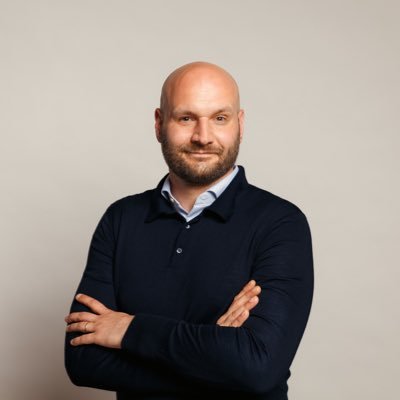
Christian Miele listed twelve challenges that Germany must overcome, in his opinion. Electricity and labor are expensive for companies: employers pay an average of around 45 euros per work hour, about 29 percent more than in the EU. In addition, high network fees and levies have increased energy costs; Germany exited nuclear power before sufficiently cheap and reliable alternatives were available. Long approval processes, according to Miele, also deter companies from investing. He named demographic change, rising contributions, and immigration that often does not lead to employment quickly enough as further problems. The shortage of skilled workers is real, he wrote, but uncontrolled immigration burdens households and municipalities. The Bundeswehr is also still inadequately equipped after decades of underfunding: the NATO target of 2 percent has long been missed, and there is still a lack of personnel, ammunition, and operational equipment. Miele wrote that Germany’s economy is hardly growing on its own: it shrank in 2023 and 2024 and only grew by 0.2 percent in 2025. Industry is producing less than it did a few years ago. In addition to taxes, levies, and energy costs, he pointed to weak demand, competition from China, and a lack of new products. In education, about one in three 15-year-olds does not reach the basic level in mathematics and reading; the gap between children from poor and rich families is as large as it has been since the beginning of the PISA tests. At the same time, there is a shortage of teachers and many school buildings are dilapidated. Among the further challenges, Miele listed the need for renovation of roads, bridges, railways, and schools. The municipal investment backlog is over 200 billion euros, about 55 billion of which is for schools alone. In his view, excessively high rents, low construction activity, and long approval processes also make it difficult to move to cities with open positions. The state is slow in digitization; many applications are still on paper, and internet coverage in rural areas is patchy. Finally, Miele warned that government spending is increasing without the economy growing correspondingly. Pensions, social services, and interest compete with defense and infrastructure for the same funds. If debt grows faster than economic output, there will be less room for investment later on, he wrote. Ultimately, the working people would bear the consequences, Miele explained, and he asked for his readers' assessments. #Herausforderungen #Wirtschaft #Deutschland (translated)
