WRLD

Search

#Ceremoniál
eldiario.es 2d

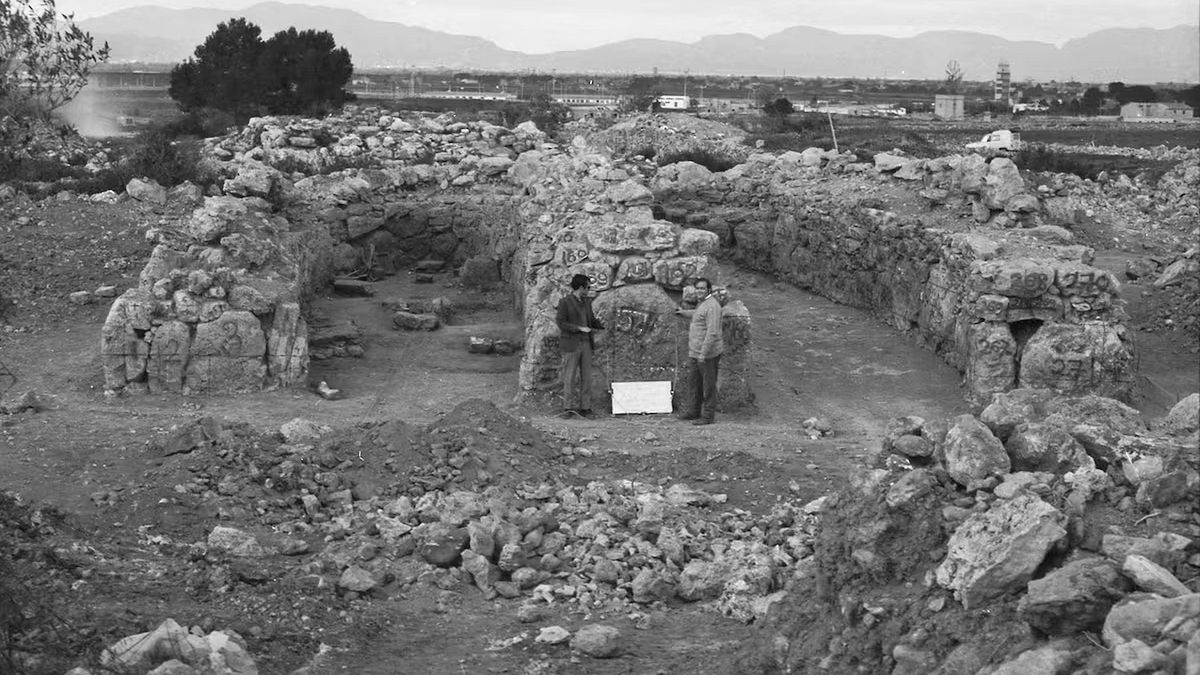
The expansion of the Palma airport resulted in the destruction of the archaeological site of Son Oms, an important ceremonial complex from the prehistory of Mallorca that housed unique monumental structures, which has led archaeologists and experts to note it as an irreparable loss for the cultural heritage of the island. #SonOms #ArqueologíaMallorquina #HistoriaDeMallorca (translated)
www.eldiario.es
La ampliación del aeropuerto que se llevó por delante la 'Capilla Sixtina' de la arqueología mallorquina

2221
Alfons López Tena 🦇 2w

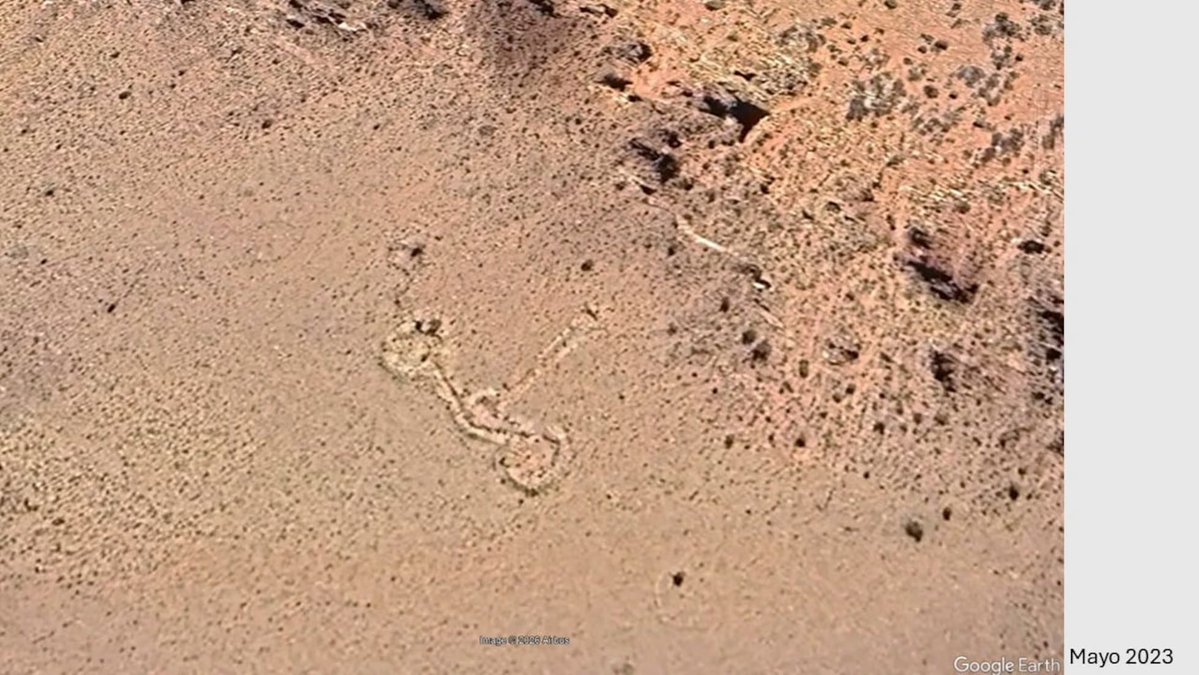
The author wrote that a structure possibly resembling a geoglyph was discovered last year on Google Earth at about 3,000 metres above sea level in the Tigre mountain range in Mendoza, Argentina. They said it might be an Inca ceremonial site, while noting that an earlier or later origin could not be ruled out. https://t.co/yCViD8no5L https://t.co/cVI5buriX5 #arqueología #inca #geoglifos #AR

229
Polityczny User Experience 🇵🇱 2w

Donald Tusk testuje nową formę „podcastowego orędzia”. Zamiast konferencji, mównicy czy kilkunastosekundowej riposty na X - usiadł przy mikrofonie i spokojnie wyjaśnił mechanizm wysokich cen paliw oraz rozwiązanie proponowane przez rząd. Sam materiał szybko przekroczył milion wyświetleń na X. To istotne, bo nośnikiem nie jest KPRM ani konkretna platforma - jest nim premier dysponujący milionowymi zasięgami na różnych platformach. W przypadku paliw było co tłumaczyć. Rząd wiąże wzrost cen z sytuacją na światowych rynkach i zakłóceniami dostaw, a proponowany podatek od nadzwyczajnych zysków firm paliwowych ma przynieść ok. 4 mld zł i finansować działania osłonowe, w tym obniżenie obciążeń podatkowych paliw. Opozycja i otoczenie prezydenta przedstawiają sprawę inaczej - wskazują https://t.co/qPNdq9HYaR. na możliwość obniżenia cen innymi instrumentami i krytykują przerzucanie odpowiedzialności na prezydenta. Podcast daje premierowi przestrzeń, żeby zamiast odpowiadać sloganem na slogan przedstawić obywatelowi cały mechanizm i własne argumenty. Potencjał tego formatu bierze się również ze sposobu działania współczesnych platform. Już wcześniejsze analizy aktywności europejskich liderów na TikToku wskazywały Tuska wśród polityków osiągających bardzo wysokie liczby wyświetleń, a treści “humanizujące” polityków należą do formatów generujących duże zaangażowanie. Jeden kilkuminutowy podcast może jednocześnie być pełnym wyjaśnieniem na YouTube czy X i źródłem kilkunastu krótkich klipów na TikToka, Reels czy Shorts. To potencjalnie viralowe orędzie przystosowane do internetu zamiast telewizji. Jest jeszcze drugi efekt - wizerunkowy. PiS przez dwie dekady konsekwentnie budował negatywny obraz Tuska manipulacjami i zwykłymi kłamstwami. Podcast nie unieważnia tej wieloletniej narracji, ale omija jej filtr. Odbiorca przez kilka minut obserwuje premiera mówiącego własnym głosem, spokojnie i współczesnym językiem medialnym. Dla części obywateli może to być kontakt nie z groźnym wizerunkiem premiera stworzonym przez jego przeciwników, lecz bezpośrednio z Tuskiem jako człowiekiem. Co więcej, Tusk już w exposé w 2023 r. obiecywał comiesięczne otwarte spotkania, podczas których miał zdawać obywatelom raport z tego, co rząd zrobił, co się udało i gdzie pojawiły się problemy. Późniejsza odpowiedź KPRM na interpelację dotyczącą realizacji tej zapowiedzi wskazywała przede wszystkim inne kanały komunikacji rządu, zamiast wykazać realizację cyklu takich comiesięcznych spotkań. Podcast nie zastąpi rozmowy twarzą w twarz i pytań obywateli, ale może realizować część pierwotnej idei znacznie szerzej: regularnie tłumaczyć milionom ludzi decyzje i działania państwa - bez pośredników i zewnętrznej narracji. Z perspektywy walki z dezinformacją najważniejsze jest właśnie połączenie zasięgu z czasem. Fałszywa lub uproszczona narracja może zmieścić się w jednym zdaniu, podczas gdy jej sprostowanie często wymaga pokazania przyczyn, danych i zależności. Premier posiadający własną dużą publiczność może stworzyć stały punkt odniesienia: jeden temat, kilka minut, źródła, decyzja rządu, jej koszty i ograniczenia. Warunek jest jeden - materiał musi pozwalać odbiorcy sprawdzić przedstawiane informacje, bo inaczej podcast stanie się po prostu kolejnym kanałem politycznego przekazu. Wniosek: pojedynczy film jest eksperymentem. Regularny podcast premiera mógłby stać się nowoczesnym odpowiednikiem orędzia - mniej ceremonialnym, bardziej osobistym i zaprojektowanym pod mechanikę mediów społecznościowych. Może również zmieniać sposób, w jaki część obywateli postrzega samego Tuska, bo daje mu możliwość bezpośredniego kontaktu z odbiorcą po latach intensywnego negatywnego przekazu jego przeciwników. To nie gwarantuje zmiany opinii, ale zmienia warunki, w których obywatel ją wyrabia. Ocena Doświadczeń Obywatela: 8/10 ✅ Rekomendacja: jeśli rząd uzna ten format za wartościowy, powinien wdrożyć go konsekwentnie jako regularny kanał informacyjny premiera: jeden aktualny problem, spokojne wyjaśnienie, dane i źródła widoczne na ekranie, wskazanie tego, co rząd zrobił, czego nie zrobił i dlaczego. W kampanii taki format może mieć dużą wartość komunikacyjną, ale z perspektywy państwa jego istotniejszą funkcją byłoby skrócenie dystansu informacyjnego między władzą a obywatelem. — #PolitycznyUX @PolitycznyUX #Polityka #Podcast #Tusk

12966
Seznam Zprávy 2w

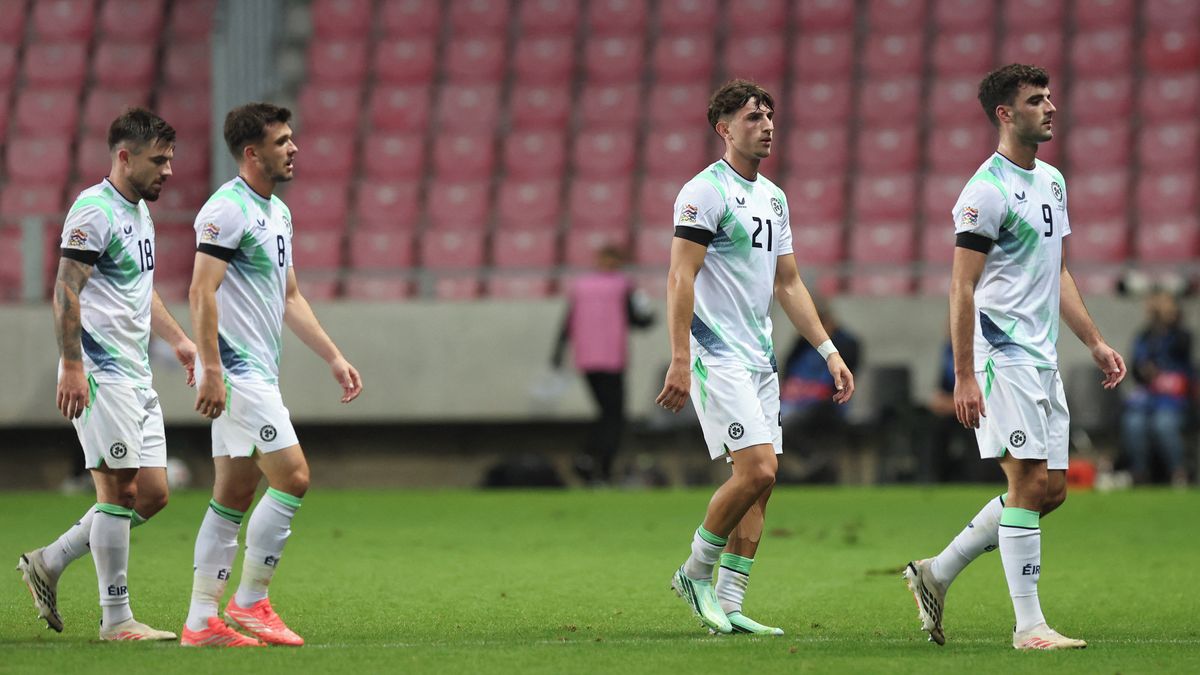
Irská fotbalová reprezentace se rozhodla upozornit na problémy související s konfliktem v Gaze tím, že se před zápasem s Izraelem nezúčastnila předzápasového ceremoniálu a vyjádřila podporu protestu, přičemž v utkání, konaném na neutrálním hřišti, zvítězila 3:0. #Irsko #fotbal #protest

www.seznamzpravy.cz
Fotbalisté Irska nepodali Izraelcům ruku. „Upozornili na problém,“ říká trenér
1722
S
Sandfeen 2w

They want you to believe that Israel is isolated on the world stage. Here we list what the leaders of 75 nations around the world have said about strengthening relations with Israel since 2023. It is difficult to think of any other country as small as Israel inspiring such warm friendship and admiration from around the world. Whether you are a friend of Israel or not, you owe it to yourself to sit down, have a cup of tea and scan down our list! Northern Ireland Friends of Israel Albania Name & Title: Edi Rama, Prime Minister Date: 26 January 2026 Quote: Albania is ""a serious and reliable friend of Israel and the Israeli people across the entire political spectrum." Angola Name & Title: Leo Vinovezky (representing the newly established, active diplomatic mandate on behalf of the State) Date: November 2025 Quote:"Angola and Israel have much to do together. The future is prosperous... We are together, and this will translate into action." Argentina Name & Title: Javier Milei, President Date: 10 March 2026 Quote: "I am sincerely proud to be the most Zionist president in the world." Armenia Ministry of Foreign Affairs (MFA) of Armenia Date: 21 April 21 2026 Quote: "Armenia stands ready to expand Armenia-Israel ties and explore new opportunities for cooperation." Azerbaijan Name & Title: Jeyhun Bayramov, Foreign Minister Date: 26 January 2026 Quote: "Relations between our two states are steadily improving and are strategically significant." Bhutan Name: Prime Minister's Office (PMO) / Royal Government of Bhutan Date: September 23, 2024 Quote: "...reiterate the shared desire of the two countries to further strengthen bilateral cooperation to the benefit of both peoples." Bolivia Name & Title: Rodrigo Paz, President Date: October 2025 Quote: I wish “to lead Bolivia toward a reopening to the world and re-establishing ties with Israel.” Bulgaria Name & Title: Rosen Zhelyazkov, Prime Minister Date: 23 September 2025 Quote: "Bulgaria regards the State of Israel as a key strategic partner, and the excellent relations between the two countries will provide a strong impetus in trade, innovation, education, agriculture and tourism." Burundi Burundian Ministry of Foreign Affairs Date: 21 March 2024 Quote "Burundi and the State of Israel maintain good diplomatic relations. Israel supports Burundi in the education sectors... in the field of agriculture, in the field of defense, in the field of energy production... social entrepreneurship, community development, health, and hydrometeorology." Cambodia Name & Title: Hun Manet, Prime Minister Date: June 2026 Quote:"...reaffirmed the Royal Government's continued support for existing partnerships while encouraging greater connectivity and cooperation in emerging areas." Cameroon Name & Title: Dr Taïga, Minister acting on behalf of the Cabinet Date: 13 February 2026 Quote: "The Republic of Cameroon and the State of Israel have maintained cooperative ties since Cameroon's independence... Israel's willingness to promote economic relations between Israel and Cameroon will further take root in agriculture and livestock." Chile Name & Title: José Antonio Kast, President Date: December 15, 2025 Quote: [Agreed] "to work together to put Israel-Chile relations back on track for the good of both nations." (Following his election, Kast moved to rapidly strengthen ties, stating his intent to increase cooperation in agriculture, healthcare, AI, technology, and security). Colombia Name & Title: Abelardo de la Espriella, President Date: 14 September 2026 Quote: "I will never stop defending Israel because it is the people of God, and I will always stand with Israel." Costa Rica Name & Title: Rodrigo Chaves Robles, President Date: 11 May 2025 Quote: "Our historical alliance with Israel remains an unbreakable pillar of Costa Rican democracy and values." Cote d'Ivoire Name & Title: Tiémoko Meyliet Koné, Vice-President Date: July 2023 Quote: "The historical ties linking Côte d'Ivoire and Israel are excellent and deep, and our government is resolutely committed to bringing this strategic partnership into a dynamic new phase of modern economic and technological development." Cyprus Name & Title: Nikos Christodoulides, President Date: 10 September 2026 Quote: "I am looking forward to our discussion on how to enhance our strategic partnership at all levels. Tourism, trade, security, energy, defence." Czech Republic Name & Title: Andrej Babiš, Prime Minister Date: 14 April 2026 Quote: "Our support follows a very long tradition... it is a moral partnership that has been proven by time." Democratic Republic of the Congo Name & Title: Félix Tshisekedi, President Date: 3 September 2026 Quote: "I reaffirm [our] shared commitment to strengthening diplomatic relations between our countries and relocating our embassy to Jerusalem." Ecuador Name & Title: Daniel Noboa, President Date: 4 May 2025 Quote: the President stressed that “Israel and Ecuador have the same enemies” while pledging his country's “unwavering support and friendship.” El Salvador Name & Title: Nayib Bukele, President Date: 18 April 2025 Quote: "As a Salvadoran with Palestinian ancestry, I'm sure the best thing that could happen to the Palestinian people is for Hamas to completely disappear…" Equatorial Guinea Name & Title: Eustaquio Nseng Esono, Ambassador to Israel (representing President Teodoro Obiang Nguema Mbasogo and the state executive) Date: 13 March 2024 Quote:"We want to enhance the friendship between our countries." Estonia Name & Title: Margus Tsahkna, Foreign Minister Date: 18 March 2026 Quote: "Estonia understands the battlefield... and offers full, unequivocal support for Israel." Ethiopia Name & Title: Abiy Ahmed, Prime Minister Date: 14 November 2025 Quote: "We look forward to expanding our historic bilateral ties and technology cooperation with Israel." Fiji: Name & Title: Sitiveni Rabuka, Prime Minister Date: July 16, 2026 Quote: The opening of Fiji's new embassy in Jerusalem marks"a new chapter in our relations and reaffirms our commitment to deeper diplomatic engagement." Gabon Name & Title: Alexandre Barro Chambrier, Deputy Prime Minister Date: May 3, 2025 Quote: "Israel's relations with African countries are a strategic asset and an integral part of our effort to strengthen Israel's standing internationally." Georgia Name & Title: Irakli Kobakhidze, Prime Minister Date: August 2025 Quote: "We want to strengthen the bond between our countries and peoples." Germany Name & Title: Olaf Scholz, Chancellor Date: 12 October 2024 Quote: "...there is only one place for Germany: alongside Israel..." Ghana Name & Title: Kenneth Gilbert Adjei, Minister of Works, Housing and Water Resources (representing the Presidency and the Government of Ghana) Date: 5 May 2026 Quote:"...reiterate Ghana’s commitment to strengthening bilateral relations through sustained dialogue, meaningful partnership and a shared sense of purpose." Greece Name & Title: Kyriakos Mitsotakis, Prime Minister Date: 6 September 2026 Quote: "Greece will press ahead with its strategic defense cooperation with Israel..." Guatemala Name & Title: Bernardo Arévalo, President Date: 24 July 2026 Quote: "Today, standing on its oldest ground, we reaffirm the enduring friendship between Guatemala and Israel..." Honduras Name & Title: Xiomara Castro, President Date: 29 January 2025 Quote: "Honduras seeks to maintain respectful and progressive cooperation frameworks with Israel." Hungary Name & Title: Sándor Pintér, Acting Premier / Interior Minister Date: 12 May 2026 Quote: "Hungary remains Europe's safest partner for Israel, dedicated to deepening our strategic defence and cultural ties." India: Name & Title: Narendra Modi, Prime Minister Date: February 25, 2026 Quote: "India stands with Israel firmly, with full conviction, in this moment and beyond... Let us ensure that the friendship between India and Israel remains a source of strength in an uncertain world." Kazakhstan Name & Title: Kassym-Jomart Tokayev, President Date: 6 November 2025 Quote: "Kazakhstan's accession to the [Abraham] accords represents a new chapter... we are turning the page toward more peace, economic development, and deep cooperation in the region." Kenya Name & Title: William Ruto, President Date: 6 June 2024 Quote: "We believe in the existence of Israel as a nation and as a friend..." Kosovo Name & Title: Albin Kurti, Prime Minister Date: 18 June 2024 Quote: "Mutual visits and agreements signed in different fields and sectors between us are the result of the expansion of relations between Kosovo and Israel." Lesotho Name & Title: Mpotjoane Lejone, Minister of Foreign Affairs Date: August 2025 Quote:"...strengthen diplomatic, economic, and religious connections with Israel... driven by shared values like freedom, faith, and innovation." Liberia Name & Title: Joseph Boakai, President Date: 15 September 2025 Quote: "Liberia is certainly among the closest allies of Israel... and the sky is the limit in our cooperation in agriculture, education, defense, and strategic engagement." Malawi Name & Title: Lazarus Chakwera, President Date: 7 April 2025 Quote: "Malawi is a true friend of Israel, and our relationship is built on shared goals and values." Micronesia Name & Title: Wesley Simina, President Date: 5 March 2025 Quote: "At the bilateral level, the FSM is keen on re-engaging with Israel to explore a more progressive and productive partnership." Moldova Name & Title: Mihai Popșoi, Deputy Prime Minister & Foreign Minister Date: 28 May 2025 Quote: "The embassy opening is a clear sign that our relationship is moving in a positive direction... through thick and thin, we've supported Israel's right to defend itself..." Morocco Name & Title: Nasser Bourita, Foreign Minister in a Joint statement by Governments Date: 16 September 2026 Quote: "...establishment of full diplomatic, peaceful and friendly relations between Morocco and Israel is in the common interest of both countries and will advance the cause of peace." Nauru Name & Title: Lionel Aingimea, Foreign Minister & Vice President Date: 7 September 2026 Quote: "Our motto is 'God first,' and Israel has always held a special place in our hearts. We believe with all our hearts that supporting Israel brings us God's blessing." Nepal Name & Title: Sushila Kari, Prime Minister Date: 12 January 2026 Quote: the Prime Minister urged "continued efforts to further strengthen bilateral ties” while celebrating 65 years of Nepal–Israel relations. Nigeria Name & Title: Bola Tinubu, President Date: 22 June 2025 Quote: "Nigeria is ready to advance partnership with Israel in agricultural technology and security innovation." North Macedonia Name & Title: Timčo Mucunski, Foreign Minister Date: 25 August 2026 Quote: "Since the formation of our government, we have made the bilateral relationship with Israel one of the priorities of our foreign policy...My nation and Israel – both on the basis of political ideology, but also on the basis of our global outlook – have more things that unite them rather than divide them." Palau Name & Title: Surangel Whipps Jr., President Date: 12 September 2025 Quote: "Palau's friendship with Israel is deep-rooted, and we will continue to stand firmly by its side on the international stage." Panama Name & Title: José Raúl Mulino, President Date: 6 May 2026 Quote: "This encounter represents much more than a ceremonial act, it is the reaffirmation and renewal of a solid relationship between our two nations, built on trust, mutual respect, and cooperation..." Papua New Guinea Name & Title: James Marape, Prime Minister Date: 10 June 2026 Quote: "We will advance bilateral relations! And offer moral support to the good citizens of Israel " Paraguay Name & Title: Santiago Peña, President Date: 12 December 2024 Quote: "The present brings us together. But the future will have us more closer that we've been ever before." Peru Name & Title: Dina Boluarte, President Date: 30 August 2025 Quote: "Peru wishes to strengthen our traditional bonds of friendship and cooperative development with Israel." Romania Name & Title: Nicușor Dan, President Date: 29 June 2026 Quote: "The Romania-Israel relationship is strong... Romania and Israel have a solid collaboration in several fields - economy, security, defence industry, agriculture and information technology." Rwanda Name & Title: Olivier Nduhungirehe, Minister of Foreign Affairs and International Cooperation Date: July 6, 2026 Quote: "Rwanda and Israel share strong ties that go beyond diplomacy. What defines us is the resilience of our peoples and our determination to turn adversity into progress, to transform the tragedy of genocide into socio-economic transformation, resilience and innovation." Samoa Name & Title: Laʻaulialemalietoa Leuatea Polataivao Fosi Schmidt, Prime Minister Date: 18 September 2025 Quote: "So diplomatically, religiously, culturally, we stand with Israel... in my time as Prime Minister, I will declare this, that Samoa will not withdraw from supporting Israel as the country of God's people." Serbia Name & Title: Aleksandar Vučić, President Date: 5 June 2025 Quote: "We will always stand with Israel and the Jewish people..." Sierra Leone Name & Title:: Kenyeh Barlay, Minister of Planning and Economic Development Date: 5 June 2025 Quote:"...expressed mutual interest in deepening technical and development cooperation between their countries [specifically targeting agriculture, fisheries, and human capital development]" Slovakia Name & Title: Robert Fico, Prime Minister Date: June 26, 2025 Quote: "The bilateral relations between Slovakia and Israel are constructive, have a historical background, and there is a large Slovak diaspora living in Israel." Slovenia Name & Title: Janez Janša, Prime Minister (represented by Foreign Minister Anže Kajzer) Date: 9 September 2026 Quote: "Today sends a clear message that we seek more concrete cooperation... in new partnerships, investments, joint projects and tangible results... we want today's opening [of the new Israeli embassy] to mark the beginning of a period of greater dialogue, stronger cooperation and, above all, more tangible results for the benefit of our people." Somaliland Name & Title: Abdirahman Mohamed Abdullahi (Irro), President Date: 14 September 2026 Quote: "Somaliland chose to pursue this relationship [with Israel]... to support an organized economic, institutional and security relationship." South Sudan Name & Title: James Pitia Morgan, Minister for Foreign Affairs Date: 28 June 2026 Quote: "Israel is South Sudan’s best friend in the world.” Taiwan Name & Title: Lai Ching-te, President Date: 28 October 2025 Quote: "Israel's determination and capacity to defend its territory provides a valuable model for Taiwan..." Tajikistan Name & Title: Sirojiddin Muhriddin, Foreign Minister Date: September 2025 Quote: "tourism is a bridge between peoples" (stated during the signing of their first-ever bilateral treaty with Israel) Tanzania Name & Title: Hon. Mahmoud Thabit Kombo, Minister for Foreign Affairs Date: March 27, 2026 Quote: "Israel has been an important partner across various sectors, including agriculture, health, defense, and security, contributing to the strengthening of longstanding bilateral relations between the two countries." Togo Name & Title: Faure Gnassingbé, President Date: 4 November 2025 Quote: "Togo values its historical friendship with Israel and remains committed to strengthening our economic partnership." Tonga Name & Title: Dr. 'Aisake Eke, Prime Minister Date: 3 October 2025 Quote: "Tonga has always supported what we believe is right for us, in that regard we have always supported Israel." Trinidad and Tobago Name & Title: Kennedy Swaratsingh Minister of Planning, Economic Affairs and Development Date: 30 July 2026 Quote: "We acknowledge Israel's global leadership in innovation and sustainable development, and wish to deepen collaboration in economic diversification, food security, digital transformation, and climate resilience." Uganda Name & Title: Yoweri Museveni, President Date: 24 June 2025 Quote: "Iran and the Islamists should listen to our advice to recognise Israel..." Ukraine Name & Title: Volodymyr Zelenskyy, President Date: August 2026 Quote:"Ukraine shares deep bonds with Israel, rooted in shared security challenges and historic connections. Emphasizing those ties sends a clear message: Ukraine sees Israel as more than just another international partner." United Arab Emirates Ministry of Foreign Affairs Date: 8 September 2026 Statement:"[UAE and the Israeli government] have maintained open and direct lines of communication since the inception of our relationship more than five years ago. When necessary, all relevant intelligence has been and continues to be communicated between the relevant entities." United States Name & Title: Donald Trump, President Date: 20 January 2026 Quote: "We will continue to stand firmly with Israel and ensure its absolute security and peace." Uruguay Name & Title: Luis Lacalle Pou, President Date: 19 November 2025 Quote: "Uruguay is firmly committed to furthering our commercial and technology exchange with Israel." Uzbekistan Ministry of Investment, Industry, and Trade of Uzbekistan Date: December 30, 2025 Quote: "Following the talks, the parties confirmed their mutual interest in further strengthening practical cooperation and continuing constructive dialogue on key areas of the bilateral agenda." Venezuela Government of the Bolivarian Republic of Venezuela / Ministry of Foreign Affairs Joint Declaration (issued with Israel's Ministry of Foreign Affairs to formally resume consular ties after a 17-year break) Date: 11 August 2026 Quote: "Both governments recognize the importance of the relationship between the State of Israel and the Jewish community in Venezuela, which constitutes an important historic bridge of friendship between the two countries." Vietnam Name & Title: Bùi Thanh Sơn, Minister of Foreign Affairs Date: 2 July 2026 Quote: "Vietnam values its friendship and broad-based cooperation with Israel... call on both nations ... to scale up investment." Zambia Name & Title: Hakainde Hichilema, President Date: 13 November 2025 Quote:"To the people of Israel, I say — you are welcome in Zambia. Come discover our natural wonders and build with us a shared future."

1036
Seznam Zprávy 2w

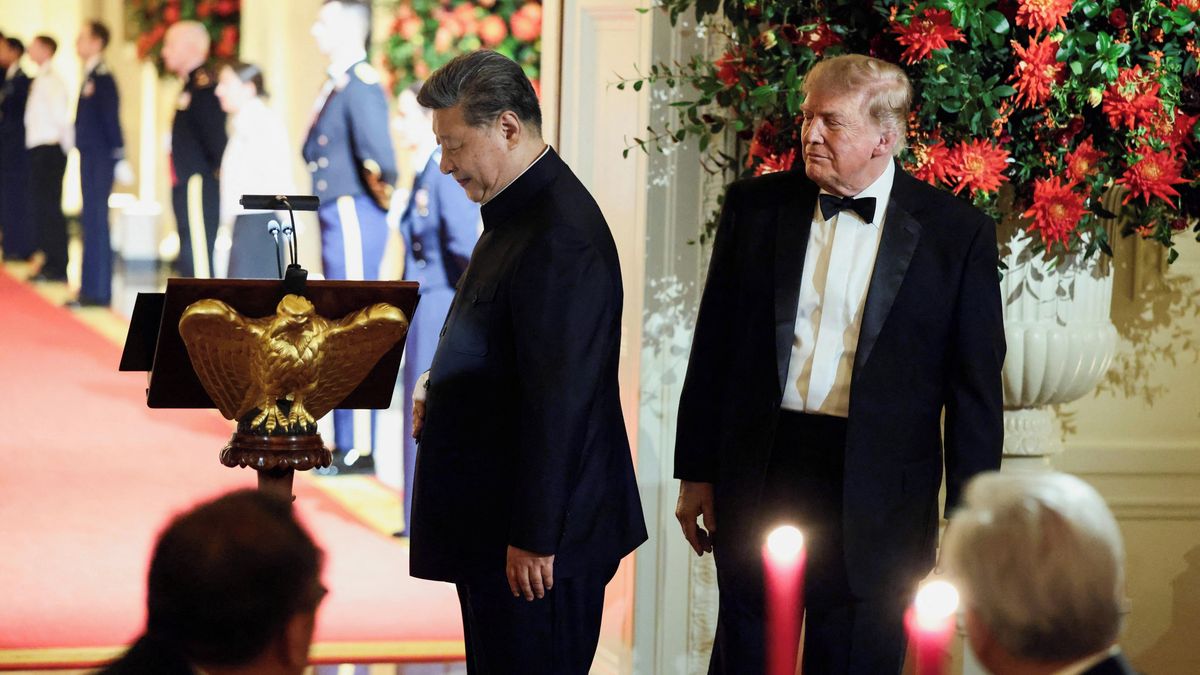
Článek popisuje, jak se Donald Trump, který dříve kritizoval ceremoniální přijetí čínského prezidenta Si Ťin-pchinga, nyní v roli prezidenta účastnil pompézního summitového jednání, kde se probíraly ekonomické spory a vztahy mezi USA a Čínou, přičemž Peking usiloval o delší obchodní příměří a udržení silnějších pozic na Tchaj-wanu. #Trump #SiJinPing #Čína

www.seznamzpravy.cz
Historka s hamburgerem ukazuje, jak moc Trump změnil přístup k Číně
1728
Deník N 4w

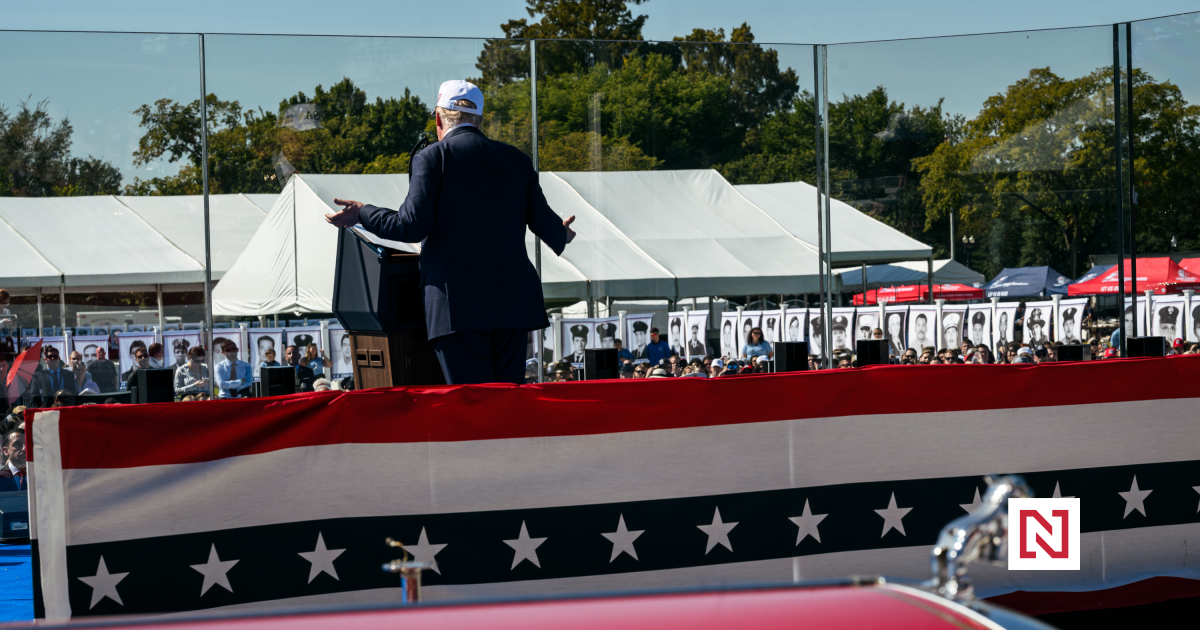
Donald Trump vynechal pietní ceremoniál k 25. výročí útoků z 11. září na Ground Zero a místo toho se zúčastnil akce v Pentagonu, přičemž během svého projevu podával nejasné a někdy i lživé informace o svých tehdejších zkušenostech, zatímco experti varují, že využívá situaci ke svému politickému prospěchu. #DonaldTrump #11září #terorismus

denikn.cz
Trumpův svět (598.–599. den): Prezident mlží, fabuluje, někdy i lže o 11. září 2001 a o tom, co tehdy dělal
16885
Aktuálně.cz - Víte, co se právě děje 4w

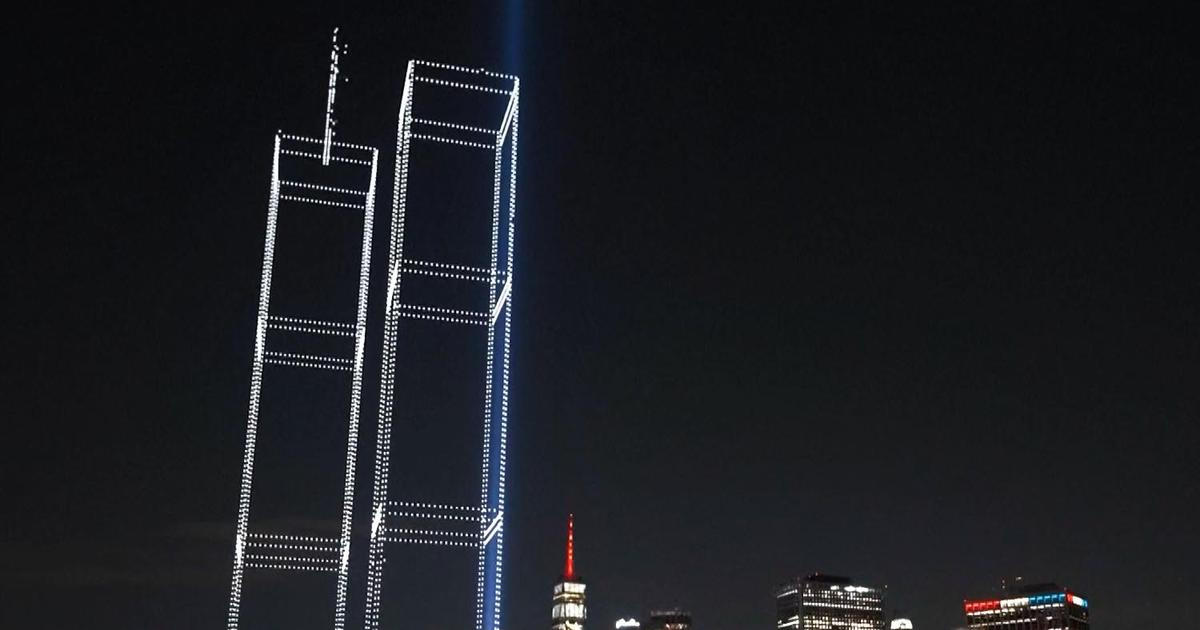
New York si v pátek připomněl 25. výročí teroristických útoků z 11. září 2001, kdy nad městem zazářily tisíce světel a na pietním ceremoniálu se objevily spory ohledně účasti nového starosty Mamdaniho, jehož přítomnost vyvolala kritiku některých rodin obětí a politických oponentů. #11září #NewYork #pietníceremonie

zpravy.aktualne.cz
Takhle New York vzpomíná na 11. září. Nad městem zářily tisíce světel
11064
Zbigniew Bogucki🇵🇱 Sep 10

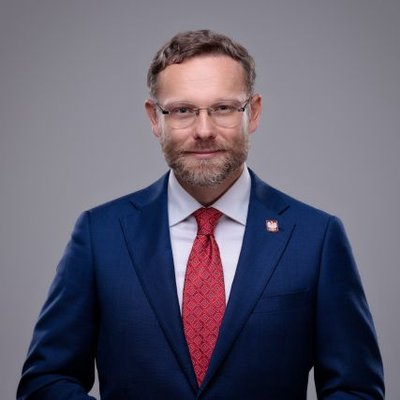
Wczoraj działając w imieniu Prezydenta Rzeczypospolitej Polskiej, będącego strażnikiem Konstytucji, kierując się zasadą współdziałania władz wyrażoną w ustawie zasadniczej, przesłałem do Marszałka Sejmu pismo z prośbą o udzielenie informacji na temat procesu ustalania przez Kancelarię Sejmu spełnienia warunków formalnych, jakie powinien wypełnić kandydat na sędziego Trybunału Konstytucyjnego oraz o przedstawienie dokumentów zgromadzonych podczas tej procedury, potwierdzających spełnienie przez dra Macieja Berka tych ustawowych warunków formalnych. Poniżej cała treść rzeczonego pisma Szanowny Panie Marszałku, w nawiązaniu do pisma z dnia 4 września 2026 r. przekazującego podjęte przez Sejm Rzeczypospolitej Polskiej na 64. posiedzeniu uchwały, w tym uchwałę w sprawie wyboru Pana Macieja Berka na stanowisko sędziego Trybunału Konstytucyjnego, działając w imieniu Prezydenta Rzeczypospolitej Polskiej, wskazuję, że podczas procedury wyboru Pana Macieja Berka na stanowisko sędziego Trybunału Konstytucyjnego (druk sejmowy nr 3006), w tym w trakcie przesłuchania kandydata przed sejmową Komisją Sprawiedliwości i Praw Człowieka, ujawniły się poważne wątpliwości w zakresie spełniania przez wymienioną osobę ustawowych wymagań jakie powinien spełniać kandydat do objęcia stanowiska sędziego Trybunału Konstytucyjnego. Wobec tego, że podnoszone zastrzeżenia dotyczące spełniania wymagań przez kandydata na sędziego Trybunału Konstytucyjnego nie zostały wyjaśnione oraz nie zostały okazane dokumenty potwierdzające spełnienie tych wymagań, istnieje realne i obszernie uzasadnione prawdopodobieństwo naruszenia art. 194 ust. 1 Konstytucji w związku z art. 3 ustawy z dnia 30 listopada 2016 r. o statusie Sędziów Trybunału Konstytucyjnego (Dz. U. z 2018 r. poz. 1422), zgodnie z którym sędzią Trybunału może zostać osoba, która wyróżnia się wiedzą prawniczą oraz spełnia wymagania niezbędne do pełnienia urzędu na stanowisku sędziego Sądu Najwyższego lub sędziego Naczelnego Sądu Administracyjnego oraz art. 30 ustawy z dnia 8 grudnia 2017 r. o Sądzie Najwyższym (Dz. U. z 2024 r. poz. 622). Zgodnie z art. 30 § 1 przywołanej ustawy o Sądzie Najwyższym do pełnienia urzędu na stanowisku sędziego Sądu Najwyższego może być powołana osoba, która: 1)posiada wyłącznie obywatelstwo polskie i korzysta z pełni praw cywilnych i publicznych; 2)nie była prawomocnie skazana za umyślne przestępstwo ścigane z oskarżenia publicznego lub umyślne przestępstwo skarbowe lub wobec której nie wydano prawomocnego wyroku warunkowo umarzającego postępowanie karne w sprawie popełnienia przestępstwa umyślnego ściganego z oskarżenia publicznego lub umyślnego przestępstwa skarbowego; 3)ukończyła 40 lat; 4)jest nieskazitelnego charakteru; 5)ukończyła wyższe studia prawnicze w Rzeczypospolitej Polskiej i uzyskała tytuł magistra lub zagraniczne studia prawnicze uznane w Rzeczypospolitej Polskiej; 6)wyróżnia się wysokim poziomem wiedzy prawniczej; 7)jest zdolna, ze względu na stan zdrowia, do pełnienia obowiązków sędziego; 8)posiada co najmniej dziesięcioletni staż na stanowisku sędziego, prokuratora, Prezesa Prokuratorii Generalnej Rzeczypospolitej Polskiej, jej wiceprezesa, radcy, albo przez co najmniej dziesięć lat wykonywała w Polsce zawód adwokata, radcy prawnego lub notariusza; 9)nie pełniła służby, nie pracowała ani nie była współpracownikiem organów bezpieczeństwa państwa, wymienionych w art. 5 ustawy z dnia 18 grudnia 1998 r. o Instytucie Pamięci Narodowej - Komisji Ścigania Zbrodni przeciwko Narodowi Polskiemu. Zgodnie z pozostałymi przepisami art. 30 ustawy o Sądzie Najwyższym: - wymagania, o których mowa w § 1 pkt 8, nie dotyczą osoby, która posiada tytuł naukowy profesora albo stopień naukowy doktora habilitowanego nauk prawnych i pracowała w polskiej szkole wyższej, Polskiej Akademii Nauk, instytucie naukowo-badawczym lub innej placówce naukowej (art. 30 § 2), - staż lub wykonywanie zawodu, o których mowa w § 1 pkt 8, liczone są łącznie w przypadku zajmowania różnych stanowisk lub wykonywania różnych zawodów (art. 30 § 3), - wymagania, o których mowa w § 1 pkt 9, stosuje się do osób urodzonych przed dniem 1 sierpnia 1972 r. (art. 30 § 4). Wymagania, o których mowa w pkt 9, stosuje się do osób urodzonych przed dniem 1 sierpnia 1972 r. Pan Maciej Berek kandydat na stanowisko sędziego Trybunału Konstytucyjnego urodził się 12 maja 1972 r. wiec ten wymóg dotyczy jego osoby. W przypadku Pana Macieja Berka kandydata na stanowisko sędziego Trybunału Konstytucyjnego najpoważniejszym zarzutem jest brak potwierdzenia, że spełnia on wymóg wykonywania w Polsce przez co najmniej dziesięć lat zawodu radcy prawnego. Zawarte w druku sejmowym nr 3006 informacje o spełnieniu tego wymogu oraz w zaświadczeniu wydanym przez Okręgową Izbę Radców Prawnych w Warszawie (OIRP) zamieszczonym przez kandydata na portalu X, po zakończeniu przesłuchania przez Sejmową Komisję Sprawiedliwości i Praw Człowieka w dniu 3 września 2026 r. są absolutnie niewystarczające, bowiem nie potwierdzają, że kandydat przez co najmniej 10 lat wykonywał w Polsce zawód radcy prawnego. W danych o kandydacie wraz z uzasadnieniem zawartych w druku sejmowym nr 3006 wskazano jedynie, że w latach 2022-2023 kandydat prowadził jednoosobową kancelarię radcy prawnego, w pozostałym okresie wykonywał zawód radcy prawnego na podstawie umów cywilnoprawnych. Natomiast w zaświadczeniu z dnia 3 września br. wydanym przez Dziekana Okręgowej Izby Radców Prawnych w Warszawie zawarto jedynie informację, że posiada on uprawnienia do wykonywania zawodu od dnia 25 września 2002 r. do chwili obecnej oraz że zgłosił on w ewidencji radców prawnych wykonywanie zawodu radcy prawnego w okresie od 1 stycznia 2006 r. do 31 lipca 2009 r. oraz od 1 sierpnia 2012 r. do chwili obecnej. Zaznaczyć należy, że zgłoszenie przez radcę prawnego do Okręgowej Izby Radców Prawnych wykonywania zawodu, jest wymogiem ewidencyjnym. OIRP ewidencjonuje to co radca prawny podaje, nie weryfikuje tych informacji a informacje z ewidencji w żaden sposób nie mogą stanowić podstawy stwierdzenia rzeczywistego wykonywania bądź niewykonywania zawodu. W związku z powyższym, mając na względzie wagę sprawy oraz jej znaczenie dla standardów funkcjonowania organów konstytucyjnych, kierując się wyrażoną wprost w preambule Konstytucji zasadą współdziałania władz oraz w nawiązaniu do słów Przewodniczącego Komisji Sprawiedliwości i Praw Człowieka Pana Posła Pawła Śliza, zgodnie z którymi przesłanki formalne w tej procedurze weryfikowane były przez Biuro Marszałka Sejmu, zwracam się do Pana Marszałka o przedstawienie Panu Prezydentowi dokumentów na podstawie których Sejm RP dokonał weryfikacji spełnienia przez kandydata na stanowisko sędziego Trybunału przesłanek formalnych wynikających z przywołanych na wstępie przepisów oraz o udzielenie pisemnych, wyczerpujących informacji dotyczących sposobu i procedury weryfikacji przez Sejm RP spełnienia wymogów formalnych, jakie powinien spełniać Pan Maciej Berek kandydat na sędziego Trybunału Konstytucyjnego, a w szczególności: - kopii dokumentów, na podstawie których zweryfikowano, że kandydat na sędziego TK przez co najmniej dziesięć lat wykonywał w Polsce zawód radcy prawnego, w tym kopii umów cywilnoprawnych potwierdzających okresy wykonywania zawodu radcy prawnego przez Pana Macieja Berka lub też kopii innych dokumentów (np. zeznań podatkowych, oświadczeń majątkowych, zgłoszeń/zawiadomień/informacji kierowanych do pracodawcy, dotyczących zamiaru podjęcia wykonywania dodatkowych zajęć lub czynności stanowiących świadczenie pomocy prawnej w rozumieniu art. 4 ustawy o radcach prawnych itp.) mogących stanowić potwierdzenie wykonywania przez Pana Macieja Berka zawodu radcy prawnego w całym wymaganym przepisami prawa okresie. Chodzi o dokumenty, które stanowiłyby potwierdzenie okresów wykonywania zawodu radcy prawnego, wskazywałyby na przedmiot umowy (potwierdzałyby, że przedmiotem umowy było świadczenie pomocy prawnej w rozumieniu ustawy o radcach prawnych) oraz czasokresy ich zawarcia. Taki wymóg, zgodnie z art. 31 ustawy o Sądzie Najwyższym obowiązuje kandydata na sędziego Sądu Najwyższego, a tym samym, zgodnie z art. 3 ustawy o statusie Sędziów Trybunału Konstytucyjnego, w związku z przywołanym wyżej przepisem ustawy o Sądzie Najwyższym, obowiązuje również kandydata na sędziego Trybunału Konstytucyjnego. Mając na względzie pojawiające się w przestrzeni publicznej twierdzenia Pana Macieja Berka w sprawie ew. przeszkód w udostępnieniu przedmiotowych umów cywilnoprawnych ze względu na obowiązujące go zasady ochrony tajemnicy zawodowej, trzeba wskazać, że zgodnie z wielokrotnie wyrażanym stanowiskiem samorządu radcowskiego informacje w zakresie ogólnie wskazanego przedmiotu umowy czy okresu jej trwania nie stanowią informacji objętych tajemnicą zawodową. - kopii dokumentów, na podstawie których zweryfikowano spełnienie pozostałych wymagań niezbędnych do pełnienia urzędu na stanowisku sędziego Sądu Najwyższego lub sędziego Naczelnego Sądu Administracyjnego, w tym zaświadczenia o niekaralności oraz oświadczenia potwierdzającego spełnienie przesłanki wskazanej w art. 30 § 1 pkt 9 ustawy o SN. Zgodnie z art. 30 § 4 ustawy o Sądzie Najwyższym wymagania te stosuje się do osób urodzonych przed dniem 1 sierpnia 1972 r. Pan Maciej Berek urodził się 12 maja 1972 r. i podlega on wobec tego temu wymogowi. Prezydent Rzeczypospolitej Polskiej, zgodnie z art. 126 ust. 1 i 2 Konstytucji, jest najwyższym przedstawicielem Rzeczypospolitej Polskiej i gwarantem ciągłości władzy państwowej, a zarazem organem czuwającym nad przestrzeganiem Konstytucji. Jego ustrojowa pozycja oznacza, że przy wykonywaniu powierzonych mu kompetencji powinien mieć na względzie nie tylko formalne dokonanie określonej czynności, lecz także ochronę nadrzędności Konstytucji i prawidłowego funkcjonowania organów państwa. Szczególne znaczenie obowiązek ten uzyskuje w odniesieniu do procedury prowadzącej do objęcia urzędu sędziego Trybunału Konstytucyjnego – organu powołanego do kontroli hierarchicznej zgodności norm i stojącego na straży konstytucyjnego porządku prawnego. Rola Prezydenta w tej procedurze nie ma charakteru wyłącznie ceremonialnego. Zgodnie z art. 4 ust. 1 ustawy z dnia 30 listopada 2016 r. o statusie sędziów Trybunału Konstytucyjnego osoba wybrana przez Sejm na stanowisko sędziego TK składa wobec Prezydenta Rzeczypospolitej Polskiej ślubowanie, którego złożenie jest warunkiem rozpoczęcia wykonywania funkcji orzeczniczych. Trybunał Konstytucyjny w wyroku z dnia 3 grudnia 2015 r. (K 34/15) potwierdził, że czynność ta nie ma charakteru symbolicznego, natomiast w wyroku z dnia 28 maja 2024 r. (U 5/24) podkreślił, że procedura wyboru sędziego TK nie kończy się wraz z podjęciem uchwały przez Sejm, lecz dopiero wraz ze złożeniem ślubowania wobec Prezydenta. Dopiero łączne dopełnienie tych etapów prowadzi do powstania uprawnienia do objęcia urzędu i wykonywania funkcji orzeczniczych. Konieczność pełnego wyjaśnienia poważnych wątpliwości dotyczących spełnienia przez osobę wybraną przez Sejm ustawowych przesłanek objęcia urzędu sędziego Trybunału Konstytucyjnego wynika również z przepisów regulujących postępowanie przed Trybunałem. Zgodnie z art. 36 ustawy o organizacji i trybie postępowania przed Trybunałem Konstytucyjnym, w zakresie nieuregulowanym w tej ustawie do postępowania przed Trybunałem stosuje się odpowiednio przepisy Kodeksu postępowania cywilnego. Z kolei art. 379 pkt 4 k.p.c. stanowi, że nieważność postępowania zachodzi, jeżeli skład sądu orzekającego był sprzeczny z przepisami prawa albo w rozpoznaniu sprawy brał udział sędzia wyłączony z mocy ustawy. Odpowiednie zastosowanie tej regulacji do postępowania przed Trybunałem Konstytucyjnym prowadzi do wniosku, że udział w składzie orzekającym osoby, która nie uzyskała skutecznie statusu sędziego Trybunału Konstytucyjnego z uwagi na niespełnienie ustawowych warunków objęcia urzędu, stwarza fundamentalną wadliwość składu orzekającego i może prowadzić do nieważności postępowania. Taki kierunek wykładni był również przedstawiany w postępowaniach przed Trybunałem przez Rzecznika Praw Obywatelskich, który wskazywał, że skład sprzeczny z prawem w rozumieniu art. 379 pkt 4 k.p.c. obejmuje również sytuację, w której w składzie znajduje się osoba nieuprawniona do orzekania. Nie chodzi więc wyłącznie o formalną poprawność samego aktu wyboru dokonanego przez Sejm, lecz o zapewnienie, aby w działalności orzeczniczej Trybunału uczestniczyły wyłącznie osoby, które spełniają wszystkie wymagane prawem przesłanki uzyskania statusu sędziego TK. Z tego względu wątpliwości dotyczące spełnienia przez osobę wybraną przez Sejm ustawowych wymogów nie mogą zostać pozostawione do rozstrzygnięcia już po odebraniu ślubowania i dopuszczeniu jej do orzekania. Powinny one zostać wyjaśnione w trakcie procedowania kandydatury Pana Macieja Berka w Sejmie, a jeżeli tego nie uczyniono na tym etapie to najdalej przed odebraniem ślubowania, ponieważ późniejsze stwierdzenie, że osoba uczestnicząca w wydawaniu orzeczeń nie spełniała warunków koniecznych do objęcia urzędu, podważałoby prawidłowość składów orzekających, w których uczestniczyła, a w konsekwencji prawidłowość prowadzonych postępowań. Weryfikacja przesłanek formalnych przed odebraniem ślubowania służy zatem nie tylko ocenie sytuacji prawnej osoby wybranej przez Sejm, lecz przede wszystkim ochronie pewności prawa, stabilności orzecznictwa Trybunału oraz zapobieganiu powstaniu wad, które mogłyby rzutować na ważność postępowań prowadzonych z jej udziałem. W związku z powyższym, przed odebraniem ślubowania powinny zostać wyjaśnione istotne wątpliwości dotyczące spełnienia przez osobę wybraną przez Sejm ustawowych warunków objęcia urzędu sędziego Trybunału Konstytucyjnego. Prezydent, jako organ obowiązany do czuwania nad przestrzeganiem Konstytucji, nie powinien dokonywać czynności prowadzącej do objęcia urzędu przez osobę, wobec której istnieją niewyjaśnione wątpliwości co do jej zdolności prawnej do sprawowania tej funkcji. Sam Trybunał Konstytucyjny w wyroku z dnia 3 grudnia 2015 r. (K 34/15) dopuścił możliwość zaistnienia wyjątkowych okoliczności, w których nadrzędność Konstytucji może uzasadniać wydłużenie czasu potrzebnego na odebranie ślubowania, w szczególności gdy ujawnią się okoliczności wskazujące na brak zdolności prawnej do objęcia mandatu. Opisana przez Trybunał sytuacja materializuje się w niniejszej sprawie. Tym samym pełne wyjaśnienie takich zasadniczych wątpliwości przed odebraniem ślubowania należy postrzegać nie tylko jako uprawnienie Prezydenta, lecz jako element wykonywania jego konstytucyjnej funkcji strażnika Konstytucji. #TrybunałKonstytucyjny #Konstytucja #Prawo

14566
Aktuálně.cz - Víte, co se právě děje Sep 7

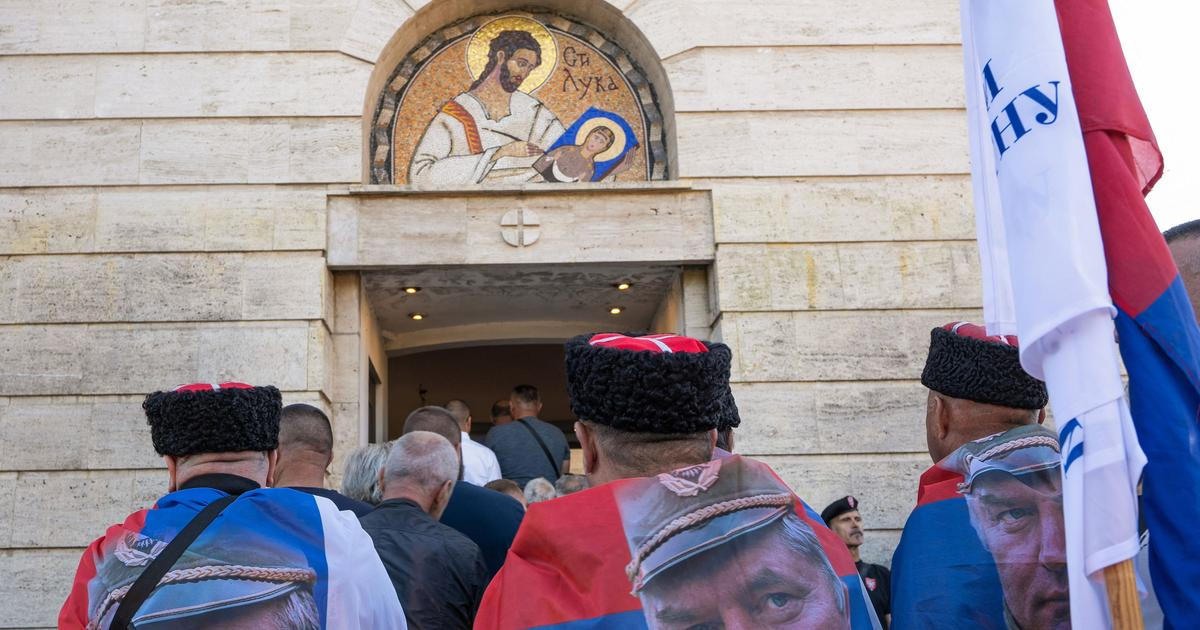
Pohřeb Ratka Mladiče v Bělehradě, i když měl polooficiální charakter a nebyl státním ceremoniálem, ukázal na ambivalentní přístup srbské společnosti k jeho kontroverznímu odkazu a nacionalismu, přičemž vyvolal silné reakce ze zahraničí a naznačil, že část mladé generace ho vnímá jako symbol vlastenectví. #RatkoMladič #pohřeb #Srbsko

zpravy.aktualne.cz
Zrno: Pohřeb Mladiče je políček Západu. Pro mladé je sexy symbol vlastenectví
9919
Aktuálně.cz - Víte, co se právě děje Sep 7

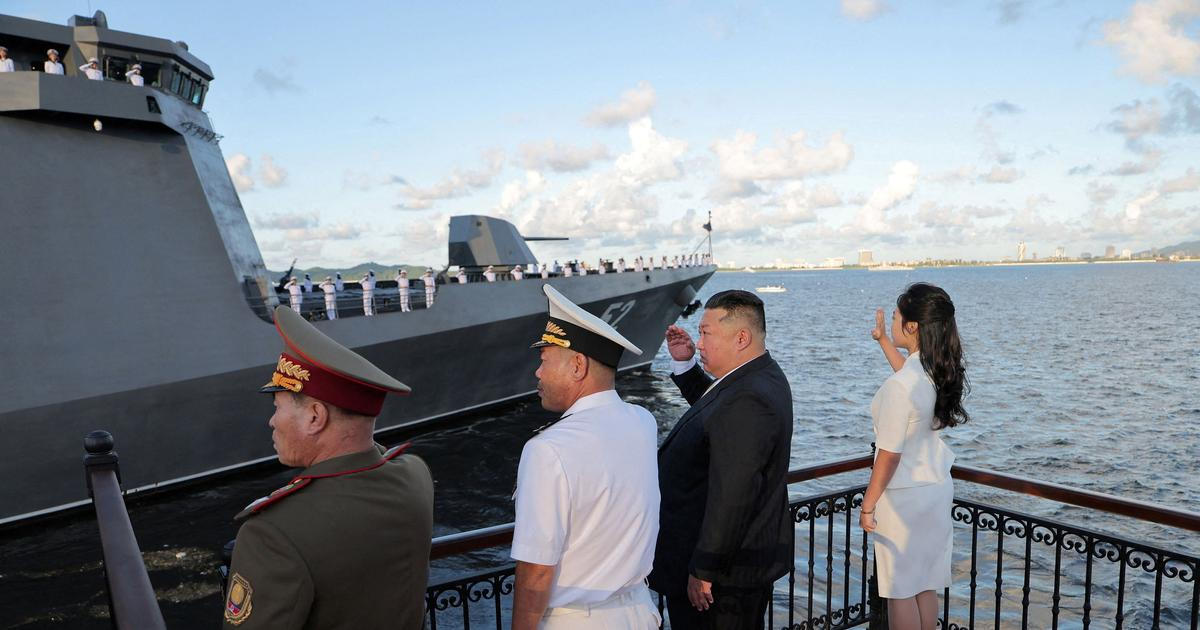
Severokorejský vůdce Kim Čong-un na nedávném ceremoniálu oznámil posílení námořnictva KLDR uvedením do služby nového torpédoborce, který má posílit jaderné odstrašení a odradit nepřátele od pokusu o námořní invazi. #KimČong-un #SeverníKorea #válečnéloďstvo

zpravy.aktualne.cz
Kim Čong-un chce silnější námořnictvo, do služby vstoupil další torpédoborec
9338
Luciano Magaldi Sardella (PhD) Sep 5

Freeman of the City of London: An Ordinary Honour for All, an Honorary One for Few SOURCE: https://www.linkedin.com/pulse/freeman-city-london-ordinary-honour-all-honorary-one-sardella-ph-d--m1alf/ Abstract The Freedom of the City of London is an institution of mediaeval origin, attested as far back as 1237, originally conceived to afford freeborn citizens protection from feudal obligations, the right to trade, and the ownership of property within the bounds of the Square Mile — the territory of the City of London proper. Having evolved progressively from a concrete economic privilege into a civic and symbolic distinction, it has preserved its relevance over the centuries through successive legislative reforms — most notably the extension of eligibility to all nationalities in 1996 — and today records approximately 1,800 to 2,000 new admissions annually. The present article examines the historical and juridical evolution of the title, sets out the several routes of access provided by current regulation (by servitude through apprenticeship, by patrimony, by redemption through direct nomination, by presentation through the Livery Companies, and by registration on the electoral roll), and analyses the contemporary profile of the Freemen in the light of recent admissions of prominent figures from the worlds of finance, culture, sport, and public life. Contrary to the elitist image surrounding many British honours, the ordinary Freedom proves accessible to any person whatsoever, regardless of nationality or financial standing, upon the satisfaction of minimal requirements and the payment of an administrative fee of £180–185. The article concludes by reflecting upon the contemporary significance of the institution: not in the residual privileges, now largely ceremonial, but in its identity-forming, civic-participatory function and its connection to the long history of the oldest and most venerable city in Europe. Keywords: Freedom of the City of London; Livery Companies; City of London Corporation; British honours; urban civic identity. Contenuto dell’articolo Introduction Amongst the historic honours of Britain, few institutions evoke an imaginative world as rich as the Freedom of the City of London. Cited in films, novels, and articles on manners and custom with tones of exclusivity and mystery, it is frequently associated with figures of the very highest standing: sovereigns, heads of state, military commanders returning from the wars. Yet, upon closer and more methodical scrutiny, a markedly different picture emerges: that of a title which, in its ordinary and non-honorary dimension, is today accessible to a considerable number of persons each year, without the requirement of extraordinary merit or elevated financial means. The present contribution aims to examine the institution in its twofold aspect, historical and contemporary, with the object of dispelling the most prevalent misconception: that which confounds the ordinary Freedom with the Honorary Freedom — the latter genuinely rare and reserved for figures of international standing. This article traces the mediaeval origins and legislative evolution (§ 2), sets out the current routes of access (§ 3), discusses requirements, costs, and procedure (§ 4), analyses the contemporary composition of the body of Freemen (§ 5), examines rights, privileges, and obligations (§ 6), reviews the most distinguished recipients of recent decades (§ 7), and concludes with some reflections upon the contemporary significance of the institution (§ 8). Origins and Historical Development of the Institution The Freedom of the City of London is attested from 1237, during the reign of Henry III, as a form of civic status designating individuals not subject to a feudal lord, and therefore entitled to the protections guaranteed by the City's charters. In this original sense, the term freeman denoted the free man in the fullest sense of the word: one who might trade freely within the perimeter of the Square Mile, hold property, and join the trade guilds without external interference. The practical privileges were of concrete scope and directly functional to the mediaeval economy: exemption from certain tolls, including the celebrated right to drive flocks of sheep across London Bridge without payment — a concession rooted in the wool trade that dominated the English economy — protection against arbitrary arrest beyond the jurisdiction of the City, and access to the markets regulated by the guilds. As confirmed by the subsequent reissues of Magna Carta by Henry III in 1225, such liberties were intrinsically bound to the self-governance of the City, which defended them against royal and baronial interference. The progressive codification of the institution took place through royal ordinances from the fourteenth century onwards. In 1319, Edward II issued constitutions restricting access to the Freedom to members of the trade guilds, prohibiting the admission of unaffiliated outsiders, and thereby formalising servitude through apprenticeship as the principal route for new entrants, whilst the patrimonial route ensured continuity for established families. Subsequent monarchs, from Edward III onwards, repeatedly confirmed the civic liberties through charters granted often in exchange for financial loans, consolidating the City's autonomy and its role as creditor to the Crown. In the nineteenth century, with industrialisation and the demographic expansion of London, corporate control over trade proved increasingly unenforceable. The Municipal Corporations Act of 1835 extended eligibility to any person living, working in, or having a significant connection with London, partially detaching the title from corporate membership and progressively transforming it into an honorary distinction of a civic character. During the twentieth century, further reforms rendered access more inclusive. Women, already admitted informally as widows by inheritance in earlier periods but formally excluded from the standard routes, saw their right to ordinary admission recognised — Angela Burdett-Coutts having already received the Honorary Freedom in 1872, and Florence Nightingale in 1908 — while formal equality was consolidated in the twentieth century. Finally, in 1996, the requirement of British or Commonwealth citizenship was abolished, opening the title to any nationality whatsoever. Routes of Access: The Current Regulatory Framework The current regulations, administered by the Court of the Lord Chamberlain of the City of London Corporation, provide for five principal modes of access to the Freedom of the City of London, each reflecting different historical ties between the individual and the City's institutions. By servitude confers the title upon the completion of a formal apprenticeship under the Custom of London, traditionally of seven years' duration, under a master freeman of a Livery Company. This route, the oldest and of the greatest historical significance, verifies merit through practical competence and loyalty to the guild. Completing apprentices are admitted without the need for approval by the Court of Common Council, provided they have been registered on the City's electoral roll for at least one year, and in such cases no financial contribution is required. By patrimony confers automatic eligibility upon the children of Freemen, provided the parent held the title at the time of the candidate's birth and appropriate documentation is furnished. Historically restricted to sons, it was extended to daughters by the Municipal Corporations Act of 1835. The candidate must have attained the age of eighteen, must not be an undischarged bankrupt, and must not have relevant unspent criminal convictions. By redemption constitutes the route open to any person whatsoever. The candidate submits an application to the Court of the Lord Chamberlain, supported by two sponsors — Common Councillors, Aldermen, or Liverymen of at least one year's standing who attest to their reputation — and the matter is examined by the Freedom Applications Sub-Committee and approved by the Court of Common Council. The administrative fee (the Freedom Fine) amounts to £180 following the tariff revision of 1 April 2024 (£185 in the case of direct nomination). For candidates registered on the Ward List, the City's electoral roll, the procedure is free of charge. By presentation through a Livery Company is the route most frequently taken in contemporary practice. The candidate first becomes a member of their relevant guild, following a procedure that varies amongst each of the 113 Livery Companies currently active, and subsequently submits an online application to the Court of the Lord Chamberlain for admission to the Freedom of the City, with approval in the vast majority of cases being a matter of routine. Requirements, Costs, and Procedure The requirements for access to the ordinary Freedom are of a simplicity that may well surprise, given the aura of exclusivity surrounding the title. The candidate must have attained the age of eighteen, must not be an undischarged bankrupt, and must not have unspent criminal convictions within the meaning of the Rehabilitation of Offenders Act of 1974. No requirement of nationality, residence, educational attainment, or financial standing is imposed. The documentation required is of a standard biographical character: a full birth certificate, a marriage certificate or name-change document where applicable, and, where admission is by presentation, the certificate of membership issued by the relevant Livery Company. The application is submitted online through the City of London Corporation's portal. The admission ceremony is held at the Guildhall in London, in the Court Room of the Lord Chamberlain, on every working day between 10.30 and 12.00, and between 14.00 and 15.30. The newly admitted Freeman is invited to read aloud the Declaration of a Freeman and to sign the Admissions' Book, receiving upon its conclusion a calligraphed certificate on vellum and a copy of the Rules for the Conduct of Life — the eighteenth-century document of moral guidance that enjoins the holder to lead a life of rectitude, compassion, and social engagement. For those unable to attend in person, the City Corporation has retained the option of conducting the ceremony virtually, a facility introduced during the pandemic and subsequently preserved. The Contemporary Composition of the Body of Freemen One significant empirical datum serves to diminish the elitist dimension of the title: between 1,800 and 2,000 new persons are admitted each year, within a body that counts over 300,000 documented admissions across the centuries. As the City of London Corporation itself observes, contemporary Freemen comprise 'a broad cross-section of the population', encompassing professionals, students, craftspeople, entrepreneurs, military personnel, and foreign nationals. The growing contribution of university students, frequently presented in groups by their academic institutions, and of international professionals, has further broadened the demographic base. The group ceremony of 2024, in which 40 individuals drawn from fields ranging from science and medicine to entrepreneurship and diversity initiatives received the title simultaneously, is illustrative of this openness. A fundamental distinction must, however, be emphasised. The Honorary Freedom of the City of London constitutes an entirely separate institution of radically different scope. Granted by the Court of Common Council by special resolution, it is reserved for figures of exceptional international stature — typically fewer than a dozen conferred annually — and represents, in the words of the City Corporation itself, the highest honour it is able to bestow. It is this Freedom that has been enjoyed by Winston Churchill, Her Majesty Queen Elizabeth II, and, more recently, the television presenter Rachel Riley (October 2025), in recognition of her commitment to Holocaust education and the combating of antisemitism. The confusion between the two forms is the principal source of the distorted public perception of the institution. The Contemporary Significance: Between Identity and Participation While the great majority of the practical privileges once associated with the condition of Freeman have today disappeared or been reduced to solemn ceremonial form, what persists is the powerful symbolic and identity-forming value of the title. The ceremony retains elements of ritual solemnity — the reading of the Declaration, the signing of the historic Admission Register, the receipt of the calligraphed certificate on vellum — which inscribe the new Freeman within a chain of continuity of nearly eight centuries, linking diverse figures through a shared bond with the history of the Square Mile. This venerable London institution also performs a cohesive function within the ecosystem of the City and the Livery Companies. The 113 active guilds collectively disbursed over £81 million in charitable activities in 2024, through programmes of vocational training, scholarships, and technical apprenticeships that preserve specialist skills in economically significant sectors. Being a Freeman constitutes a formal prerequisite for advancement to Liveryman, and therefore for the exercise of voting rights in the governance of the City: a vestige of corporate democracy which, however distant from the models of universal suffrage, retains its own institutional logic within the unique legal architecture of the London Square Mile. Critics of a progressive persuasion have observed that the system favours established networks and access by hereditary or professional routes, potentially excluding broader strata of the London population, with the pool of living Freemen well below one per cent of the nine million residents of Greater London. Nevertheless, the data on recent admissions — encompassing recognition spanning African entrepreneurship, community sport, broadcasting, and medicine — suggest a trajectory of progressive opening which, whilst falling short of full demographic representativeness, attests to the institutional will to maintain the institution as a living tradition rather than an exclusive relic. Conclusions The foregoing analysis permits the formulation of several concluding observations. The Freedom of the City — the ordinary Freedom — is today an honour accessible to a far wider audience than the collective imagination suggests. The admission requirements are minimal, the costs modest, the procedures relatively streamlined and open to any nationality. The persistent confusion with the Honorary Freedom, reserved for figures of exceptional international eminence, is the principal source of a distorted perception that merits correction. The contemporary value of the title resides not in the residual privileges, now largely solemn and ceremonial, but in three complementary dimensions: the identity-forming, which connects the holder to nearly eight centuries of institutional history; the civic-participatory, which through access to the Livery Companies and the City's electoral system inserts the Freeman into genuinely operative networks; and the communitarian, which through the mechanisms of honorary recognition celebrates contributions of an ever more varied scope and provenance. In this respect, the Freedom represents an instructive case study in how historic institutions may reinvent themselves without losing authenticity, preserving their significance through inclusion rather than exclusion. References and Sources: City of London Corporation. (2024). Freedom of the City of London. https://www.cityoflondon.gov.uk/about-us/law-historic-governance/freedom-of-the-city Guild of Freemen of the City of London. (2025). Freedom of the City. https://www.guild-freemen-london.co.uk/freedom-of-the-city Livery Committee. (2025). Freedom of the City. https://liverycommittee.org/about/membership-freedom-and-livery-clothing/freedom-of-the-city/ Municipal Corporations Act 1835. UK Parliament. Rehabilitation of Offenders Act 1974. UK Parliament. Grokipedia. (2025). Freedom of the City of London. https://grokipedia.com/page/Freedom_of_the_City_of_London City Solicitors' Educational Trust. (2025). Applying for the Freedom of the City of London. LondradaVivere.com. (2025). La 'Freedom of the City of London': un'antica libertà ancora viva. City of London Corporation. (2023). Livery Companies: Charitable Activities Report 2024. ONS / City of London Corporation. (2023). Financial Services Contribution to UK GDP.

www.linkedin.com
Freeman of the City of London: An Ordinary Honour for All, an Honorary One for Few
935
Novinky Sep 5

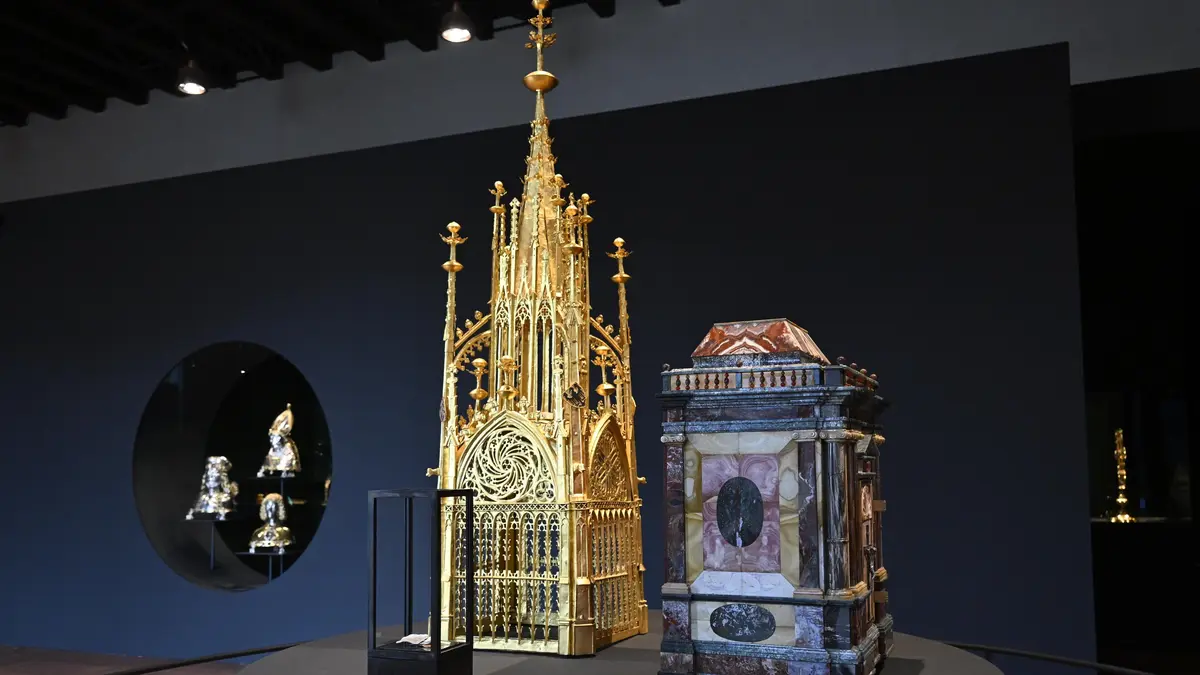
Výstava Sacred Splendor: Jewish Ritual Art and Christian Treasures from St. Vitus Cathedral in Prague, která se koná v Židovském muzeu v New Yorku, prezentuje Svatovítský poklad spolu s významnými židovskými ceremoniálními předměty a zkoumá vzájemné kulturní vlivy mezi křesťanskou a židovskou tradicí v průběhu šesti století. #Výstava #ŽidovskáKultura #KřesťanskáKultura

www.novinky.cz
Svatovítský poklad cestuje do USA, doplní ho vzácné památky židovské kultury, popisuje Jiří Fajt
16357
Jakub Wende Sep 3

@prezydentpl @NawrockiKn Na Boga, Pan nie powołuje sędziów TK, powołuje ich Sejm. Pan odbiera od nich ślubowanie. W tej kwestii ma Pan rolę wyłącznie ceremonialną. Kropka. #Polska #sędziowie #TK

19758
Aktuálně.cz - Víte, co se právě děje Sep 3

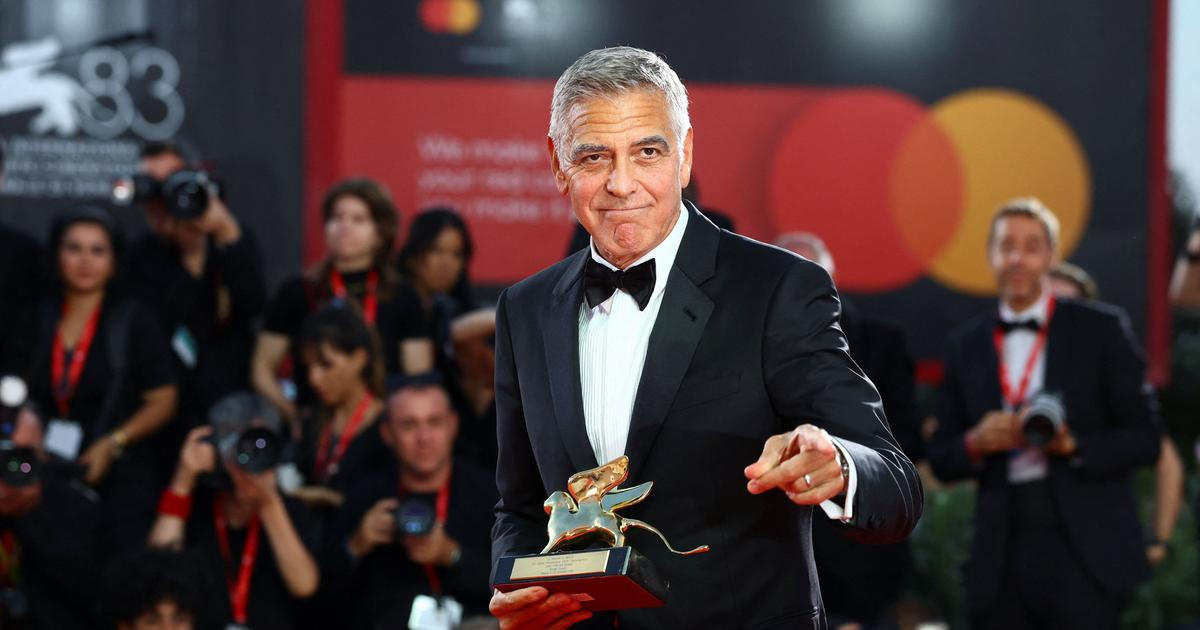
Americký herec a režisér George Clooney převzal na Benátském filmovém festivalu Zlatého lva za celoživotní dílo a vyjádřil své názory na politickou situaci a důležitost novinářské práce, přičemž se zúčastnil ceremoniálu po boku své manželky Amal. #GeorgeClooney #BenátskýFilmFestival #ZlatýLev

magazin.aktualne.cz
Clooney převzal na benátském filmovém festivalu Zlatého lva za celoživotní dílo
16958
Seznam Zprávy Sep 2

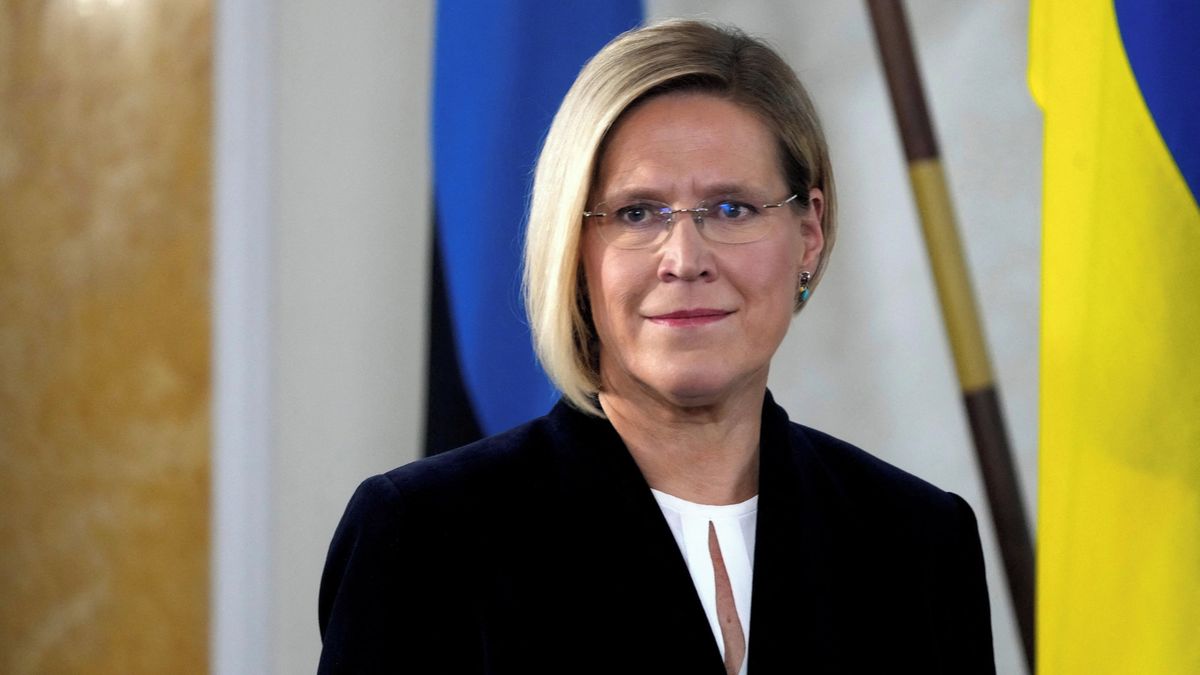
Estonský parlament zvolil Ülle Madiseovou, ústavní právničku a ombudsmanku, prezidentkou země, čímž se stává druhou ženou v této převážně ceremoniální funkci. #Estonsko #ÜlleMadiseová #prezidentka #dobrezpravy

www.seznamzpravy.cz
Estonský parlament zvolil právničku Madiseovou prezidentkou země
17546
Seznam Zprávy Sep 1

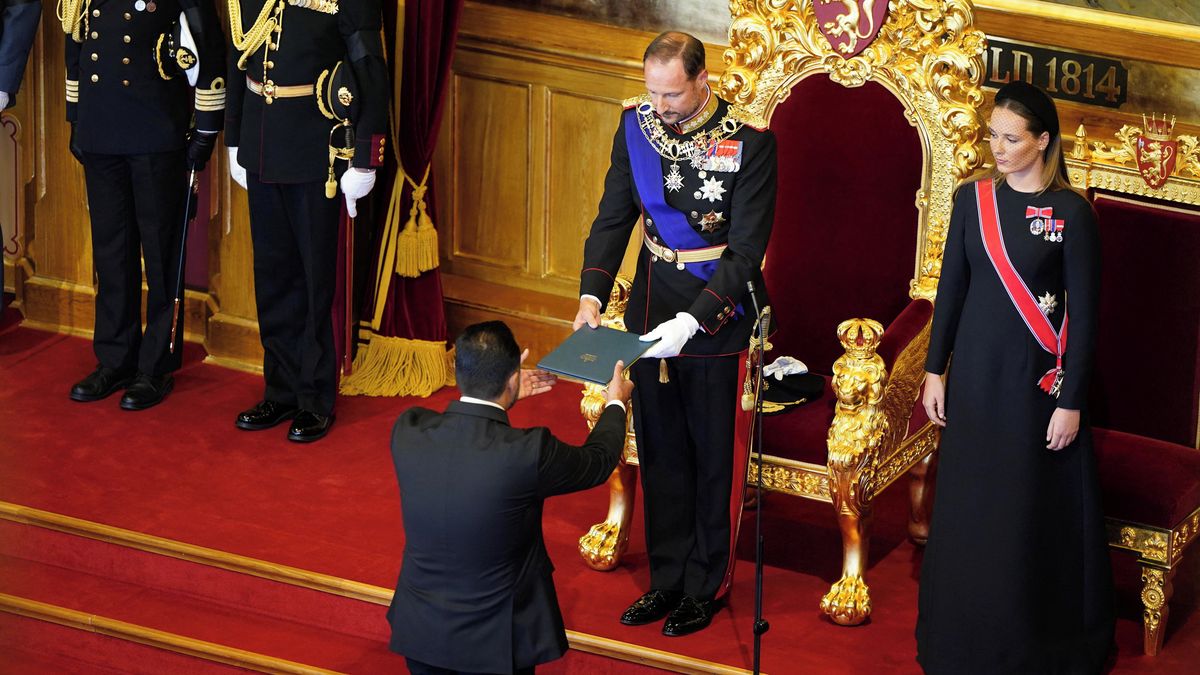
Nový norský král Haakon VIII. dnes v parlamentu složil přísahu po smrti svého otce Haralda V., přičemž ceremoniál se uskutečnil v nepřítomnosti jeho manželky Mette-Marit, která se zotavuje z transplantace plic. #Norsko #království #HaakonVIII #dobrezpravy

www.seznamzpravy.cz
Nový norský král Haakon VIII. složil v parlamentu přísahu
19309
Margus Tsahkna Aug 24

35 years ago today, Ukraine proclaimed its independence. As has become tradition, a ceremonial flag‑raising was held in front of the Estonian MFA. Independence is not a date on the calendar, it is a daily choice Ukrainians make: to defend their sovereignty, their borders, and https://t.co/5BTajjt7Ex #UkraineIndependence #Sovereignty #Estonia #UA #EE

117
Adham Hasanin Aug 11

A Crown Instead of the Barracks: An Idea From Outside the Box Could Egypt’s exiled opposition use constitutional monarchy to dismantle the legitimacy of the 1952 coup? By Adham Hasanin Egyptian journalist and political writer, based in the Netherlands To understand what follows, a reader unfamiliar with Egypt needs one basic fact: since 1952, Egypt has never been governed by anyone who did not first wear a military uniform. Gamal Abdel Nasser, Anwar Sadat, Hosni Mubarak, and today Abdel Fattah el-Sisi four men, four eras, one common origin. All rose through the armed forces. All inherited a state built by a coup that year, when a group of officers calling themselves the "Free Officers" overthrew King Farouk I and, within a year, abolished the monarchy altogether and declared a republic. For seventy-three years, the underlying equation has not changed: the army rules, power passes from one officer to the next, and legitimacy is drawn from the barrel of a gun rather than the ballot box. Every conceivable form of opposition has been tried legal parties and banned ones, Islamist movements, liberal and leftist coalitions, the 2011 popular uprising, and the 2013 elections whose result was overturned by force within a year. All of them hit the same wall: a military institution that reproduces itself under different names, while the core of the system remains untouched. So what if the problem, all along, has not simply been who rules, but the constitutional framework that makes military rule possible in the first place? And what if the answer lies not in swapping one president for another, but in dismantling the underlying equation itself, through a framework Egyptian opposition movements have never seriously tried: a purely ceremonial constitutional monarchy, on the model of Belgium, the Netherlands, or Spain where the head of state becomes a symbol above the political fray, while the army is permanently expelled from politics and returned to its barracks. This is not a call to revive a particular family, nor nostalgia for a golden age that never quite existed. It is a proposal for a political and strategic tool that has not yet been used in the intellectual arsenal of Egypt’s opposition in exile a tool that deserves serious discussion, regardless of whether it is ever literally realised or simply serves to expand the boundaries of what is politically thinkable. I. Why 1952, Not 2013 or 2011, Is the Root The strategic error made by most Egyptian opposition movements from the Muslim Brotherhood to the April 6 Youth Movement to the various civil opposition parties has been treating each political crisis as an isolated case: Mubarak was corrupt and had to be toppled; Sisi staged a coup that must be condemned; the interim military council was a transitional phase to be endured. This piecemeal approach treats the symptoms while leaving the original illness untouched. That original illness is the very structure of legitimacy established by the coup of 23 July 1952. The Egyptian republican system, from Nasser to today, has never built its legitimacy on a genuine democratic social contract. Instead, it has rested on a fixed trinity: the rhetoric of "revolution against feudalism and colonialism," charismatic individual leadership, and military protection of the regime framed as the guarantor of stability. This trinity has repeated itself from Nasser to Sadat to Mubarak to Sisi, with only cosmetic variations. Each new president was never a break from the system he was its continuation. When the opposition says "let us return to the constitutional framework that preceded the coup," it is not criticising a particular policy. It is declaring that the legal foundation of everything that came after 1952 was illegitimate from the start. Here lies the rhetorical power of "returning to the pre-1952 order": it does not merely demand swapping one ruler for another. It withdraws historical legitimacy from the entire republican military system including today’s regime, which draws its own declared legitimacy from that same "1952 legacy." II. Why a "Ceremonial Crown," Not "the Return of a Ruling Family" Here is the most important distinction anyone advocating this idea seriously must grasp: the project does not rest on restoring any particular individual from the Muhammad Ali dynasty, nor on nostalgia for King Farouk or his ancestors. The real power of the idea lies in the constitutional form, not in the person who happens to sit on the throne. Three successful European democracies illustrate the model clearly. Belgium, where King Philippe is a purely constitutional symbol with no real executive power, while the state is run through an elected parliament and a complex coalition government reflecting the country’s linguistic and political diversity. The Netherlands, where King Willem-Alexander formally opens the parliamentary year and signs laws, but where actual decision-making rests with the prime minister and the elected parliament. And Spain, where the king represents symbolic continuity of the state above party politics, while the military and security services answer entirely to civilian authority a transition achieved after the death of the dictator Francisco Franco in 1975, when King Juan Carlos I voluntarily relinquished the extensive executive powers he had inherited and backed free elections, most dramatically in February 1981, when he personally ordered the armed forces to remain loyal to the constitution during an attempted military coup, causing it to collapse within hours. The common thread across these three models is not "the presence of an ancient royal family." It is the principle of separating symbol from power. The monarch in these countries does not rule; he represents. He issues no political decisions; he provides the continuity and symbolic stability that allows party political competition to revolve beneath him, without every transfer of power becoming an existential crisis of legitimacy. This is precisely what Egypt’s military republican system lacks: a neutral mechanism for guaranteeing state continuity that does not depend on the person of the ruler or his security apparatus. When Egypt’s military-republican president is absent, it is always the army that fills the vacuum, because it is the only institution built to be the "guarantor of stability." Under a ceremonial monarchical model, by contrast, it is the king not the army who represents that symbolic guarantee, genuinely opening the door to removing the military institution from the political equation altogether. III. Egypt’s Standing Under the Monarchy: An Honest Reckoning, Not Blind Nostalgia For a Western reader with little prior knowledge of Egypt’s monarchical period (1922–1952), it helps to know this: Egypt was nominally independent under its own king from 1922, but Britain retained enormous informal control over the country’s foreign policy, military bases, and the Suez Canal throughout the period a reality that shaped everything that follows. Any honest invocation of "Egypt’s standing under the monarchy" must avoid the trap of mythologised nostalgia that many advocates of this idea fall into. Egypt in that era was no lost paradise, and any honest article must say so plainly. The Egyptian pound, for instance, often invoked as a symbol of "national currency strength" in that period, was not strong because of independent Egyptian monetary policy. It was pegged to the British pound sterling as part of Egypt’s complete colonial financial dependency until 1947, with Egypt exercising no independent oversight of its own currency whatsoever. The pound’s strength, in other words, was not a sovereign Egyptian achievement it was a reflection of British imperial power ruling Egypt from behind the throne. But this does not mean Egypt lacked a genuine regional standing worth studying. Cairo, in the 1930s and 1940s, was the undisputed cultural capital of the entire Arab world: the Egyptian film industry produced more than half of all Arabic-language cinema; its theatre scene, led by figures like Youssef Wahbi and Naguib al-Rihani, and its music, with Umm Kulthum and Mohammed Abdel Wahab, set the standard across the region; Cairo University was the first modern university in the Arab world; and the Egyptian press was the reference point for Arab public opinion from the Atlantic to the Gulf. Cairo was, quite simply, to the Arab world what Paris was to Francophone Europe: an unrivalled centre of cultural and intellectual gravity. This standing was not necessarily a product of monarchy itself, so much as a product of a relative space of political and press pluralism that allowed Egyptian civil society to flourish, despite all the flaws of the political system and the interference of both palace and occupier. The lesson here is not "bring back the king and the standing will return." It is: when even a limited margin of civic freedom exists, Egypt flourishes culturally and intellectually almost by its own nature. And that margin is precisely what has been entirely absent across the past seven decades of unchallenged military rule. IV. What Reform Would Actually Require Not Repeating the Old Mistakes Any serious advocacy of this model must include, even briefly, a clear vision for avoiding the flaws of the old monarchical system itself otherwise the proposal collapses into simply replacing one form of authoritarianism with another wearing a different crown. First, the armed forces would need to be placed fully under a civilian ministry of defence, with its budget subject to transparent parliamentary oversight the exact opposite of its current status as a state-within-a-state, and equally opposed to its role under the monarchy, when it often served as an instrument of British influence. Second, a judiciary fully independent of both palace and government alike, unlike the old model, which saw direct royal interference in political life as when King Fuad I dismissed the elected government of Prime Minister Saad Zaghloul’s successor, Mustafa al-Nahhas, in 1928, in one of the clearest "constitutional coups" in modern Egyptian history. Third, a parliament that genuinely represents the people rather than landowners and the aristocracy, as was the case before 1952, when membership in the Senate was effectively conditional on the ability to pay land taxes meaning political representation was, by law, restricted to the wealthy. Fourth, genuine economic sovereignty, with a truly independent national currency rather than one pegged to a foreign power’s currency, unlike the historical dependency of the Egyptian pound on sterling. These four principles are enough to clarify that the project on offer is not a literal "return to the past," but a borrowing of the constitutional form (symbolic monarchy) combined with an explicit rejection of its old substance (colonial dependency, palace interference, parliamentary feudalism). V. The Role of Egyptian Movements in Exile: Between Goal and Instrument This raises the most practical question of all: how might Egypt’s opposition abroad actually adopt this idea, and in what capacity? The honest answer is that the power of this proposal does not necessarily lie in its literal fulfilment, but in its dual strategic function. On one hand, it can be advanced as a genuine political goal adopted by broad coalitions of Egyptian movements coalitions that might include Islamists, liberals, leftists, and traditional monarchists, united around a single shared premise: rejecting the legitimacy of the 1952 order and everything that followed from it, even if they later disagree over the precise final shape of the state. On the other hand and this matters more in practice the idea can be deployed as a rhetorical instrument of pressure to widen a Egyptian political debate currently trapped between two false choices: "continued military rule" or "no alternative, chaos awaits." When the opposition puts forward a clearly defined third model a European-style constitutional monarchy it breaks this false binary and opens new intellectual space in Egyptian public discourse, even if the project is never realised in its literal form. This kind of "leverage idea" is common in the history of political movements worldwide: it is not necessarily proposed to be fulfilled immediately in full, but to redraw the boundaries of the politically possible, and to force the existing regime to defend its legitimacy rather than simply assume it. Conclusion: An Invitation to Debate, Not a Ready-Made Prescription This article does not claim that restoring a monarchical form would magically resolve Egypt’s chronic crisis of legitimacy, nor does it ignore the immense difficulties facing any transformative project under a military institution as economically and securitywise entrenched as Egypt’s is today. But it raises a question that deserves serious debate among Egypt’s opposition in exile, rather than automatic dismissal simply for being unfamiliar: Has the Egyptian opposition exhausted every available tool for dismantling the legitimacy of 1952, or has it remained trapped in the same old binary swapping one ruler for another while the framework that makes military rule possible remains untouched? The idea is on the table now, not as a finished solution, but as an overdue invitation to think outside the box.

354
BostonTea Aug 9

UK: chłop kupił kij do bejsbola i zaraz po wyjściu ze sklepu został zaatakowany przez policję, potraktowany gazem, dociśnięty do gleby i zaobrączkowany. Ten kraj to jakiś dysutopijny, makabryczny żart. Raszidki biegają sobie po ulicach z ceremonialnymi nożami przy pasie, a ciebie za posiadanie multitoola czy kija do gry traktują jak kryminalistę z listy most wanted. Tymczasem w Polsce można w pełni legalnie kupić kije do bejsbola i jest to powszechnie dostępny sprzęt sportowy. Tak samo wszystkie noże, duże, średnie i małe, a do tego maczety, sztylety, miecze i broń palną czarnoprochową. Policja z UK zesrałaby się ze strachu, gdyby tu przyjechała. #UK #police #dystopia

12971