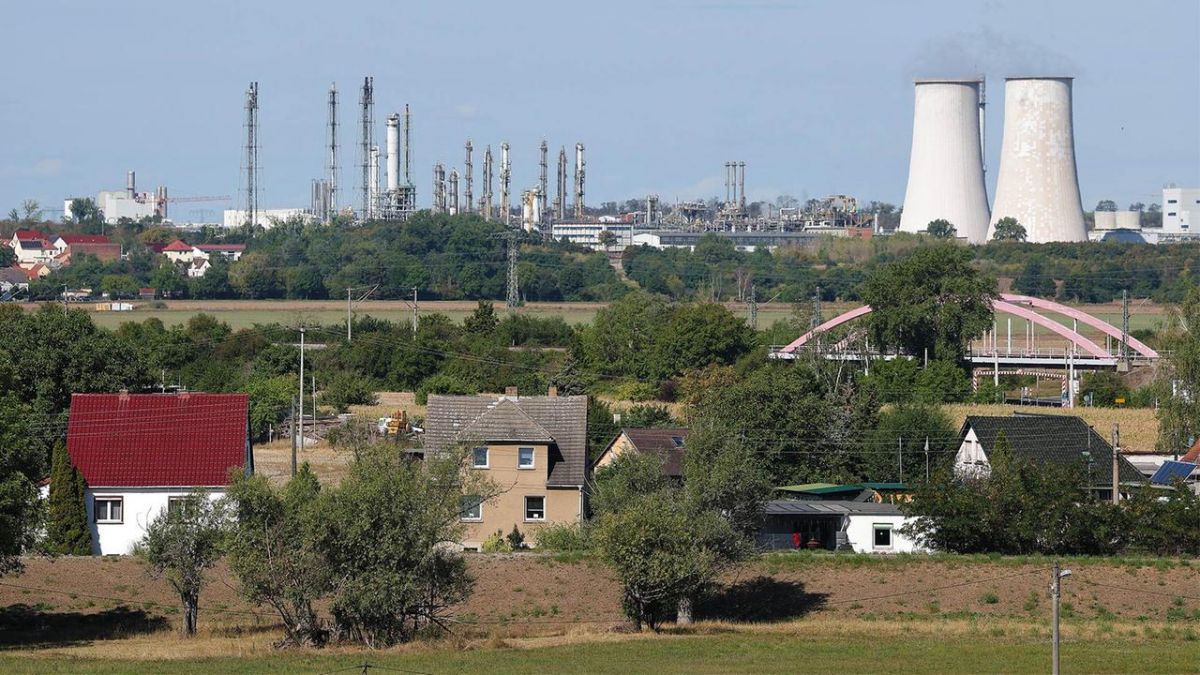
The article highlights how medium-sized companies like Esterer GmbH & Co KG from Hesse, despite challenges such as energy prices and a shortage of skilled workers, make a significant contribution to the German economy as so-called hidden champions through their specialization and international orientation. #HiddenChampions #Mittelstand #Hessen (translated)
The discussion about the declining number of apprentices and the high training costs between the Chamber of Commerce, trade unions, and training institutions is gaining momentum. #Fachkräftemangel #Lehrlingsausbildung #Wirtschaftskammer (translated)

Julian Adrat wrote that millions of people were allowed into the country with the promise of skilled workers. Now half of Berlin is at a standstill again because the city is being cordoned off for a safe commemoration of October 7th. He also added that the Tiergarten Tunnel was closed again due to "shortages of skilled workers." https://t.co/osn8Lgmp4T #Fachkräftemangel #Berlin #7Oktober (translated)
Der Fachkräftemangel erfordert laut Land und Sozialpartner verstärktes Handeln anstelle von bloßer Diskussion. It appears that you did not provide the article text for me to analyze. Please share the article so I can help you generate the appropriate hashtags.
A degree increasingly guarantees less employment in Germany, as shown by the rising unemployment rate among academics, while at the same time the number of students is continuously increasing and the shortage of skilled workers in vocational professions is increasing. #Ausbildung #Studium #Arbeitsmarkt (translated)

More and more young people are opting for vocational training in healthcare, as the job security and career opportunities in these professions are becoming more attractive, while the shortage of skilled workers remains. #Gesundheitsberufe #Ausbildung #Fachkräftemangel (translated)

Christian Miele listed twelve challenges that Germany must overcome, in his opinion. Electricity and labor are expensive for companies: employers pay an average of around 45 euros per work hour, about 29 percent more than in the EU. In addition, high network fees and levies have increased energy costs; Germany exited nuclear power before sufficiently cheap and reliable alternatives were available. Long approval processes, according to Miele, also deter companies from investing. He named demographic change, rising contributions, and immigration that often does not lead to employment quickly enough as further problems. The shortage of skilled workers is real, he wrote, but uncontrolled immigration burdens households and municipalities. The Bundeswehr is also still inadequately equipped after decades of underfunding: the NATO target of 2 percent has long been missed, and there is still a lack of personnel, ammunition, and operational equipment. Miele wrote that Germany’s economy is hardly growing on its own: it shrank in 2023 and 2024 and only grew by 0.2 percent in 2025. Industry is producing less than it did a few years ago. In addition to taxes, levies, and energy costs, he pointed to weak demand, competition from China, and a lack of new products. In education, about one in three 15-year-olds does not reach the basic level in mathematics and reading; the gap between children from poor and rich families is as large as it has been since the beginning of the PISA tests. At the same time, there is a shortage of teachers and many school buildings are dilapidated. Among the further challenges, Miele listed the need for renovation of roads, bridges, railways, and schools. The municipal investment backlog is over 200 billion euros, about 55 billion of which is for schools alone. In his view, excessively high rents, low construction activity, and long approval processes also make it difficult to move to cities with open positions. The state is slow in digitization; many applications are still on paper, and internet coverage in rural areas is patchy. Finally, Miele warned that government spending is increasing without the economy growing correspondingly. Pensions, social services, and interest compete with defense and infrastructure for the same funds. If debt grows faster than economic output, there will be less room for investment later on, he wrote. Ultimately, the working people would bear the consequences, Miele explained, and he asked for his readers' assessments. #Herausforderungen #Wirtschaft #Deutschland (translated)
Despite the growing skills shortage in East Germany, where lower real estate prices and good connections to growing markets exist, economists see opportunities for the economic development of the region, particularly through international investments in industry. #Ostdeutschland #Fachkräfte #Wirtschaft (translated)

Es kommt mir so vor, als wenn der einzige Fachkräftemangel im Bundestag herrscht. Na gut, in den Landtagen auch. #Fachkräftemangel #Bundestag #Politik
Einwanderer spielen eine entscheidende Rolle in zahlreichen Branchen mit Fachkräftemangel in Deutschland, wobei über 27 Prozent der Beschäftigten im Jahr 2025 Migrationshintergrund aufweisen und in Bereichen wie Pflege, Gastronomie und Bau besonders stark vertreten sind. #Einwanderung #Fachkräftemangel #Integration

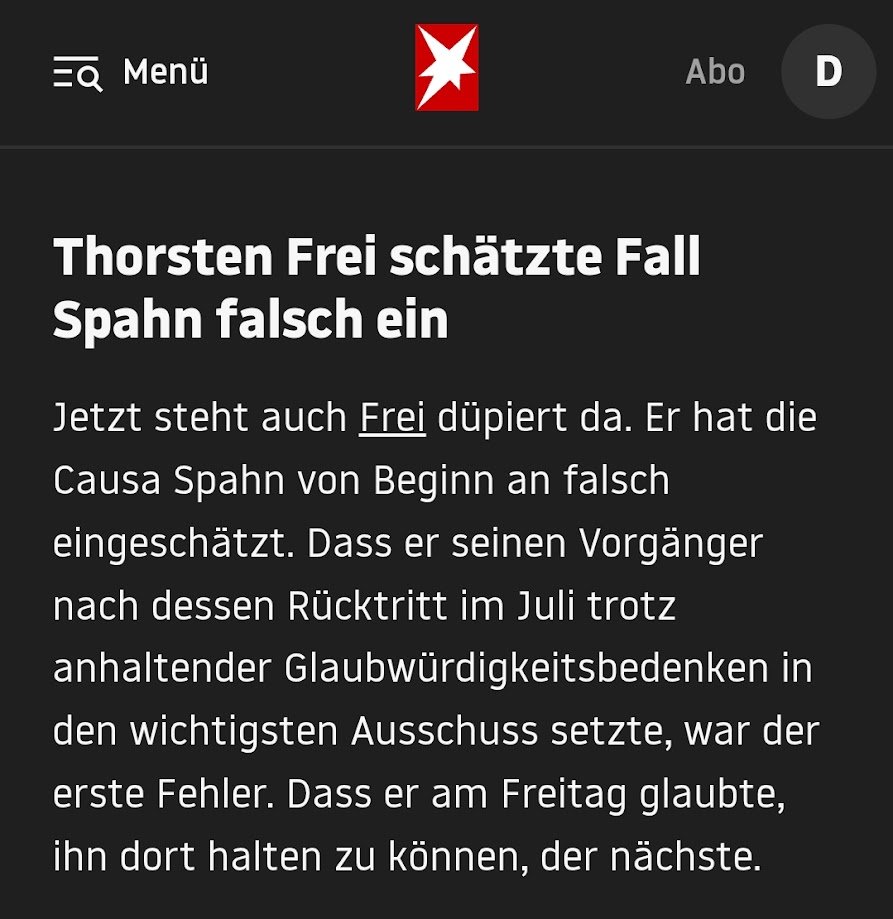
Thorsten Frei ist auch schon komplett verbrannt. Der Fachkräftemangel in der Union ist wirklich dramatisch. https://t.co/Tw75tHuz5c #Fachkräftemangel #Union #Politik
In Deutschland sind viele Einwanderer in Berufen mit Fachkräftemangel tätig, insbesondere als Köche, Busfahrer und im Gerüstbau, wobei über die Hälfte der Beschäftigten in diesen Bereichen eine Einwanderungsgeschichte aufweist. #Einwanderung #Fachkräftemangel #Arbeitsmarkt
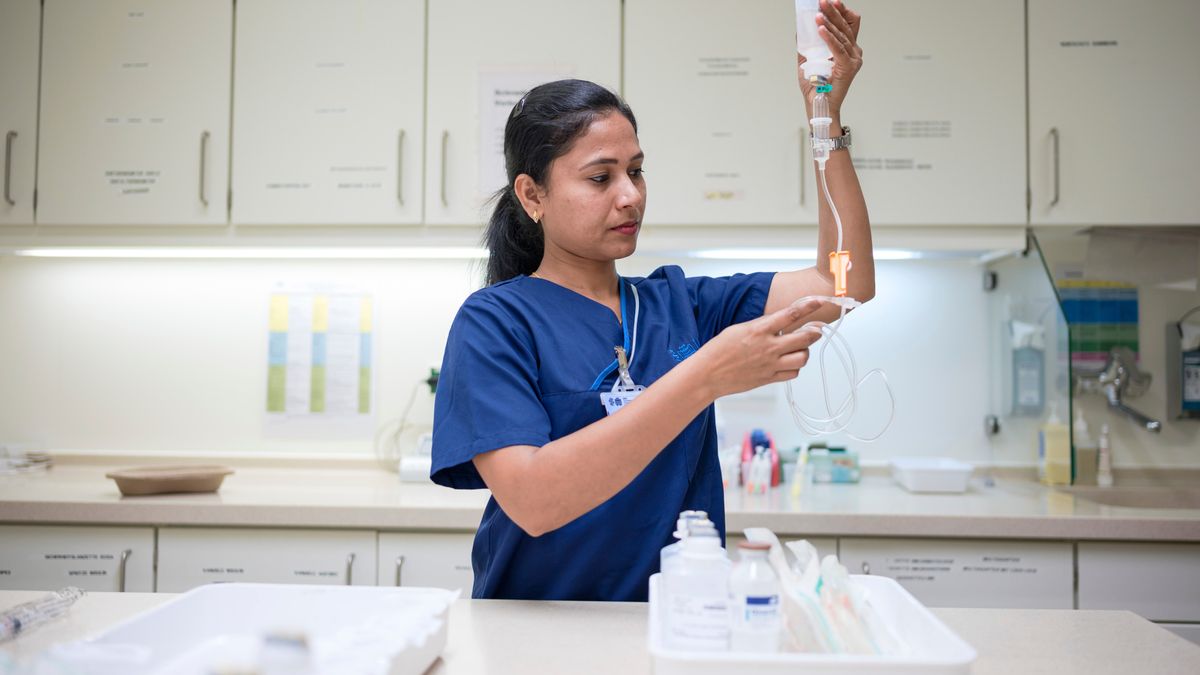
Die Deutsche Krankenhausgesellschaft fordert eine schnellere Anerkennung ausländischer Abschlüsse, um dem Fachkräftemangel im Gesundheitswesen entgegenzuwirken und kritisiert die komplizierte Anerkennungsbürokratie in Deutschland. #Fachkräftemangel #Gesundheitswesen #Anerkennung

Ein neues Arbeitsverbot für Flüchtlinge, das im Rahmen der strengen Umsetzung des EU-Asylpakts eingeführt wurde, führt dazu, dass Asylwerber, die im Verfahren Einspruch erheben, ihren Zugang zum Arbeitsmarkt verlieren, was besonders für Fachkräfte in der Gastronomie und IT gravierende Auswirkungen hat. #Ausländerbeschäftigung #Asylverfahren #Fachkräftemangel

Immer daran denken: Die rechtswidrige, gescheiterte Ausländermaut war ein Prestigeprojekt der CSU, auf den Weg gebracht von Dobrindt. Scheuer hat das Desaster nur vollendet. Dass manche Dobrindt für kanzlertauglich halten, sagt alles über den Fachkräftemangel in der Union. https://t.co/Nf6xXUJhNP #CSU #Politik #Deutschland
Das Handwerk in Deutschland erwirtschaftet mit über 783 Milliarden Euro mehr Umsatz als die Autoindustrie und beschäftigt rund 6,2 Millionen Menschen, steht jedoch vor Herausforderungen durch Fachkräftemangel und unbesetzte Ausbildungsplätze. #Handwerk #Wirtschaft #Ausbildung
Bund und Länder haben sich auf eine Entlastung beim Tanken geeinigt, während auch bundesweite Aktionen gegen den Fachkräftemangel zum Tag des Handwerks stattfinden und internationale Konflikte sowie Sportereignisse die Nachrichtenlage prägen. #Bundesregierung #Fachkräftemangel #Oktoberfest
Das beweist einmal mehr, dass die Union nicht regierungsfähig ist und wie dramatisch der Fachkräftemangel in diesem Laden sein muss, wenn ausgerechnet der gescheiterte Ausländermautminister als Kanzler gehandelt wird. https://t.co/0mFQ2fd9bS #Fachkräftemangel #Regierungsfähigkeit #Politik
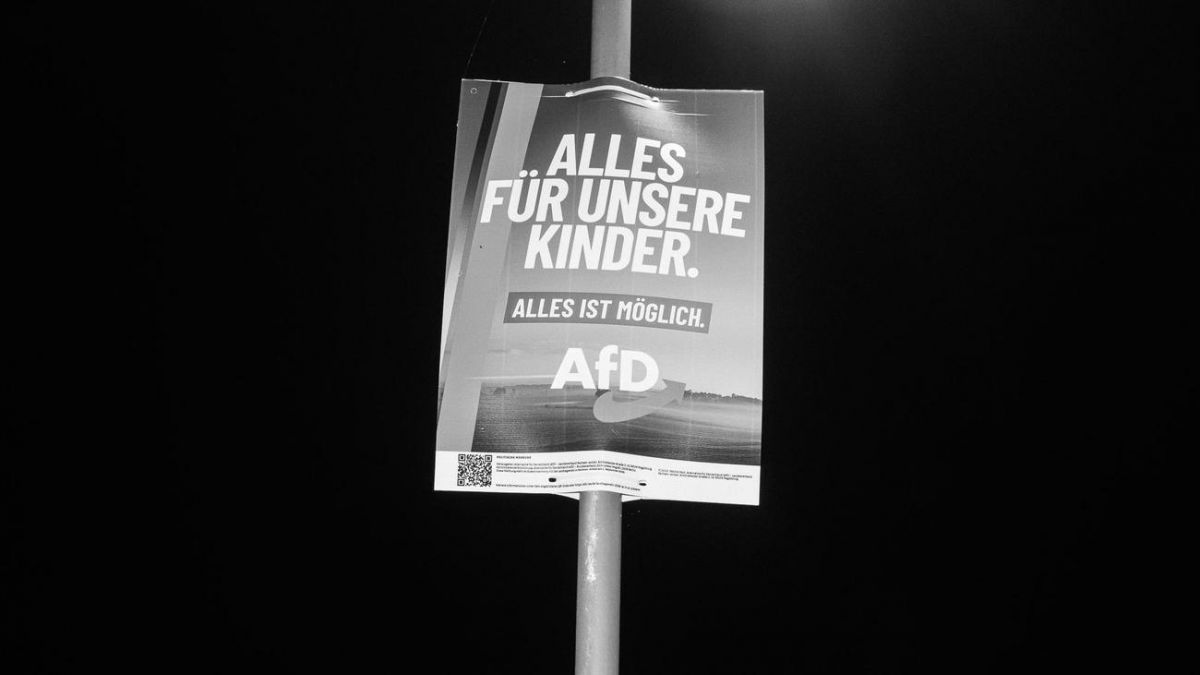
Der Wahlerfolg der AfD in Sachsen-Anhalt und Mecklenburg-Vorpommern könnte die wirtschaftlichen Probleme in diesen Regionen verschärfen, da die Partei Maßnahmen fordert, die zu einem weiteren Fachkräftemangel führen würden, wie der Ökonom Joachim Ragnitz im ZEIT-Podcast erklärt. #AfD #Wirtschaft #SachsenAnhalt

Ein neues Gutachten des Instituts der deutschen Wirtschaft zeigt, dass internationale Studierende einen milliardenschweren Überschuss für den deutschen Staat generieren, da viele von ihnen langfristig im Land bleiben und somit die Staatskasse durch Steuern und Sozialabgaben entlasten. #Fachkräftemangel #InternationaleStudierende #Wirtschaftswachstum